Engineered for premium industrial thin-film coating, aerospace shielding, and semiconductor research projects across Auckland, Wellington, and Christchurch.
New Zealand's industrial ecosystem is undergoing an ambitious transition toward high-value, specialized manufacturing. Far from a purely agricultural base, sectors such as high-performance marine engineering, aerospace propulsion (pioneered by local rocket launch programs), geothermal energy generation, and boutique electronics components demand structural materials that can withstand harsh operating conditions.
For instance, New Zealand’s geothermal power plants in the Taupo Volcanic Zone rely on machinery that can resist scaling, abrasion, and aggressive chemical corrosion caused by hydrogen sulfide and high-pressure steam. Standard steel components degrade rapidly under these conditions. High-purity Silicon Carbide (SiC) and Alumina (Al₂O₃) ceramics present the optimal solution, offering outstanding resistance to corrosion and wear.
In the southern hemisphere's rapidly developing aerospace sector, lightweight, heat-resistant ceramic powders like Boron Carbide (B₄C) and Boron Nitride (BN) are highly sought after. These materials are critical for structural shielding, high-temperature structural insulation, and protective coatings for rocket components and satellites.
Understanding the micro-level physics and macro-level economics driving demand in the global advanced materials supply chain.
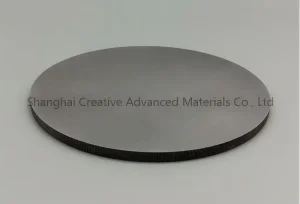
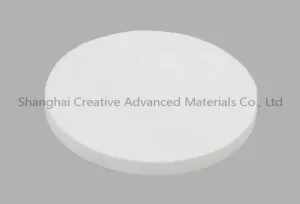
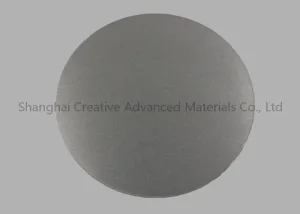
The global race for physical vapor deposition (PVD) targets with ultra-high purity (>99.999%) is critical. Products like Molybdenum and WTi targets are essential for thin-film transistor coatings and diffusion barriers. High-purity targets ensure minimal electron interference in high-frequency circuit layouts.
With global net-zero targets, high-efficiency mechanical seals made of Silicon Carbide (SiC) are replacing conventional components in offshore wind turbines and geothermal pumps. SiC's low friction coefficient, high thermal conductivity, and extreme hardness make it the material of choice for sustainable energy infrastructures.
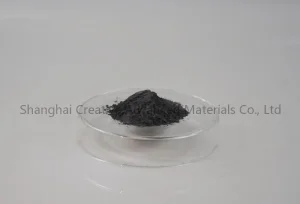
Sub-micron powder chemistry is the current frontier. Controlling particle size distribution ensures a uniform sinter, eliminating microscopic pores that cause fracture points in industrial valves and aerospace nozzles. Modern manufacturers must supply powders with tight tolerances.
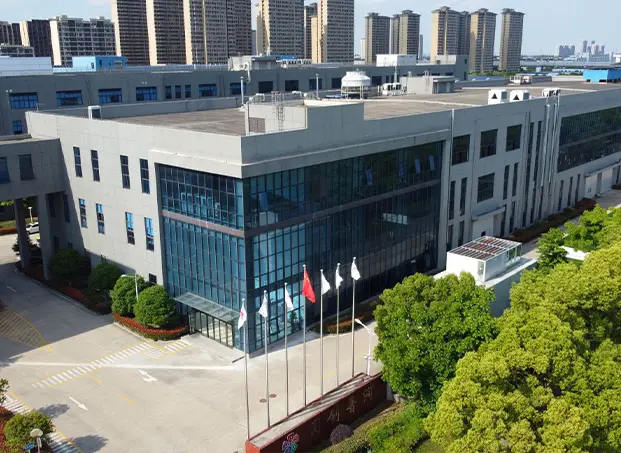
Established in the Shanghai Industrial Comprehensive Development Zone, Shanghai Creative Advanced Materials Co., Ltd (SCA) is a high-tech company integrating the R&D, production, and distribution of semiconductor ceramic targets, powder metallurgy sputtering targets, advanced structural ceramics, and neutron absorption materials.
Through 19 years of continuous development and innovation, SCA has established close partnerships with major players in the semiconductor, aerospace, solar energy, and defense sectors worldwide. We are dedicated to providing New Zealand industries with reliable materials backed by strict traceability controls, ensuring consistent quality and performance.
Contact Our Engineering TeamAnalyzing key differences, thermal properties, and structural parameters for industrial decision-making.

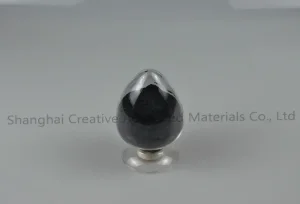
Boron Carbide (B₄C) is one of the hardest materials artificially synthesized on Earth, second only to diamond. Its unique combination of lightweight properties, exceptional hardness, and outstanding neutron absorption cross-section makes it indispensable for individual soldier protection, ballistic armor, defense machinery, and nuclear radiation shielding. Additionally, its grit structure makes B₄C an excellent abrasive for grinding semiconductor and solar wafers.
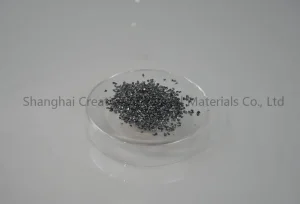
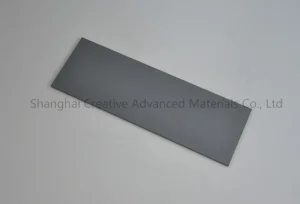
Silicon Carbide (SiC) is a high-hardness synthetic compound of silicon and carbon. Known for its high thermal conductivity, low thermal expansion coefficient, and superior resistance to corrosion and thermal shock, SiC is widely used for mechanical seals, high-temperature burner nozzles, and structural components in semiconductor manufacturing and solar energy processing systems.
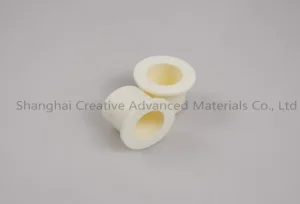
Alumina (Al₂O₃) is an extremely versatile advanced ceramic material. It features high electrical insulation, excellent mechanical strength under compression, and strong resistance to corrosion and wear. Al₂O₃ is commonly used for electrical insulators, structural components in abrasive environments, food-contact components in agricultural machinery, and laboratory equipment.
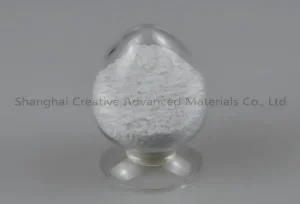
Boron Nitride (BN) possesses exceptional chemical inertness and is highly resistant to corrosive acids and molten metals. Often referred to as "white graphite" in its hexagonal form, BN is utilized for high-temperature electrical insulators, crucible materials for metal casting, and advanced lubricants in extreme pressure environments. It is also used in aviation engines and aerospace nozzles.
| Material Property | Boron Carbide (B₄C) | Silicon Carbide (SiC) | Alumina (Al₂O₃) | Boron Nitride (BN) |
|---|---|---|---|---|
| Density (g/cm³) | 2.52 | 3.10 - 3.21 | 3.95 | 2.1 - 2.2 |
| Vickers Hardness (GPa) | > 30 | 22 - 28 | 15 - 18 | < 1.0 (Hexagonal type) |
| Thermal Conductivity (W/m·K) | 30 - 40 | 110 - 150 | 30 | 30 - 60 |
| Max Operating Temp (°C) | 1500 (inert gas) | 1600 (oxidizing) | 1700 | 2000 (inert gas) |
| Primary Application | Ballistic Armor & Nuclear Shielding | Pump Seals & Semiconductor Tooling | Insulators & Chemical Valves | High-Temp Lubricants & Crucibles |
SCA maintains comprehensive control from raw materials to final packaging, ensuring high performance in demanding applications.
We analyze grain sizes, crystalline phase structures, and purity to guarantee consistency from the initial batch.
Slurry uniformity is monitored regularly. Granules are optimized for high flowability and bulk density.
High-pressure isostatic pressing compacts the powders, eliminating internal voids and ensuring uniform density.
We employ hot pressing, pressureless, and reaction sintering methods depending on material requirements.
Sintered blanks are finished using CNC diamond grinding equipment to achieve tight tolerances.
Finished components undergo rigorous 3D CMM dimensional verification, density analysis, and ultrasonic flaw detection.
Cleaned in class-certified environments, removing surface residues to prevent contamination.
Sealed in double vacuum bags and packed in robust crates, protecting materials during shipment to New Zealand ports.
SCA designs tailored solutions using advanced technical ceramics to meet the demands of New Zealand's key sectors:
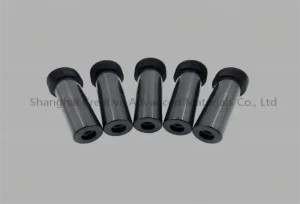
Our Silicon Carbide (SiC) mechanical seal faces and structural sleeves provide exceptional wear resistance in geothermal pumps, handling high thermal cycles and abrasive silt without degrading.
Alumina (Al₂O₃) ceramic nozzles and custom valve components resist abrasive mineral fertilizers, seeds, and corrosive cleaners, extending the lifespan of sorting and dosing equipment.
We provide high-purity Boron Carbide (B₄C) and Boron Nitride (BN) structural ceramics for aerospace shielding and insulation, helping local manufacturers optimize thermal protection systems.
High-purity sputtering targets, specialized alloy targets, and structural ceramic components for advanced industrial systems.
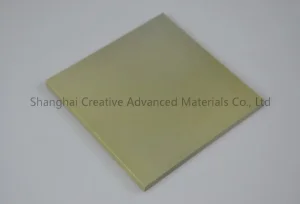
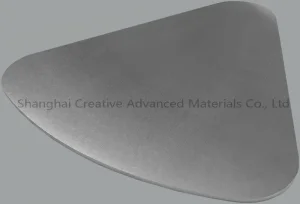
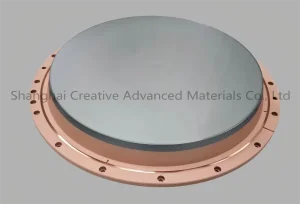
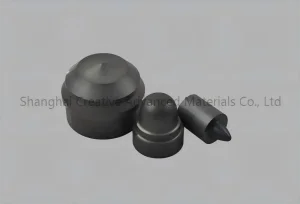
SCA's research efforts focus on improving sintering efficiency, refining sub-micron structures, and scaling target production to support emerging high-tech sectors. Key priorities include:
Every batch of ceramic powder and sputtering target undergoes rigorous quality testing to ensure material consistency:
Technical answers to common questions about advanced ceramics, sputtering targets, and logistics to New Zealand.
Standard manufacturing lead times for stocked ceramic powders are 1-2 weeks. For customized sputtering targets or complex sintered ceramic components requiring precision CNC diamond grinding, production typically takes 4-6 weeks. Air freight to major New Zealand hubs (Auckland, Christchurch) usually takes 5-7 working days, while sea freight to Tauranga or Lyttelton ports takes approximately 3-4 weeks.
Yes. We offer fully customizable particle size distributions, including D50, D10, and D90 parameters, tailored for specific uses like thermal spray coating, slurry formulation, or structural sintering. Our engineering team can also optimize the chemical purity (e.g., controlling free carbon and oxygen levels) to meet high-performance industrial requirements.
All sputtering targets undergo comprehensive quality testing. We utilize Glow Discharge Mass Spectrometry (GDMS) and Inductively Coupled Plasma Mass Spectrometry (ICP-MS) to verify chemical purity. Additionally, we verify mechanical bonding and look for internal voids using ultrasonic non-destructive testing (NDT), ensuring reliable performance in thin-film coating applications.
Silicon Carbide (SiC) is generally the preferred material for geothermal applications due to its excellent thermal conductivity and resistance to acidic chemicals and steam. For electrical insulation under high thermal conditions, high-purity Alumina (Al₂O₃) and Boron Nitride (BN) provide highly stable alternatives depending on the specific mechanical and thermal requirements of the system.