1 / 5
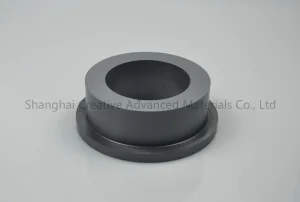
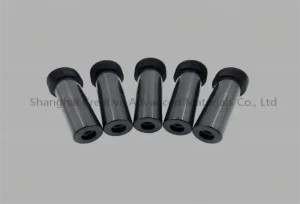
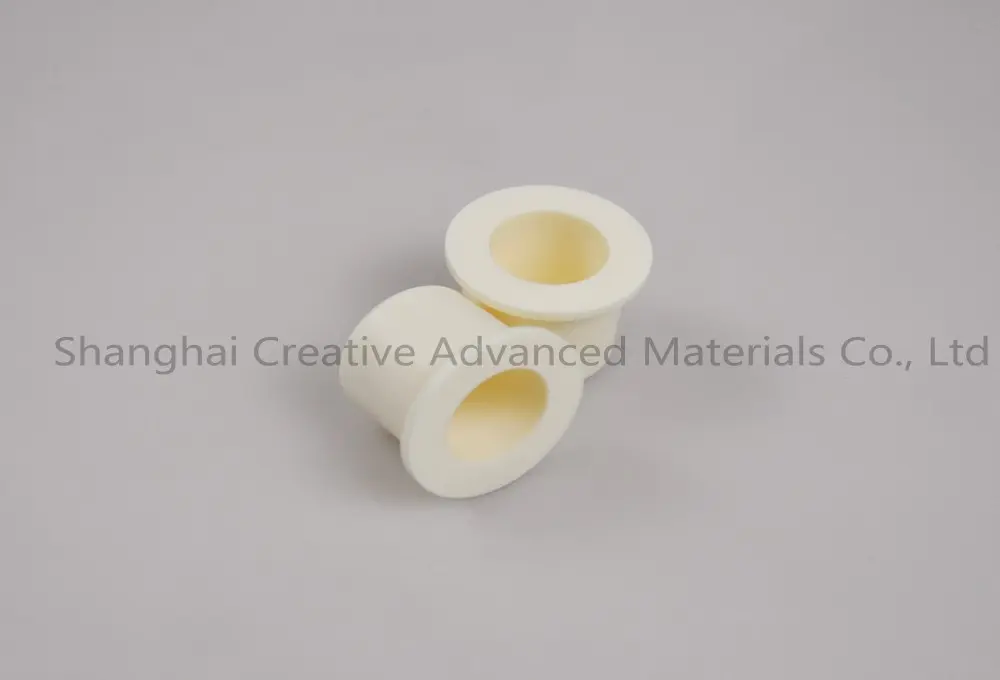
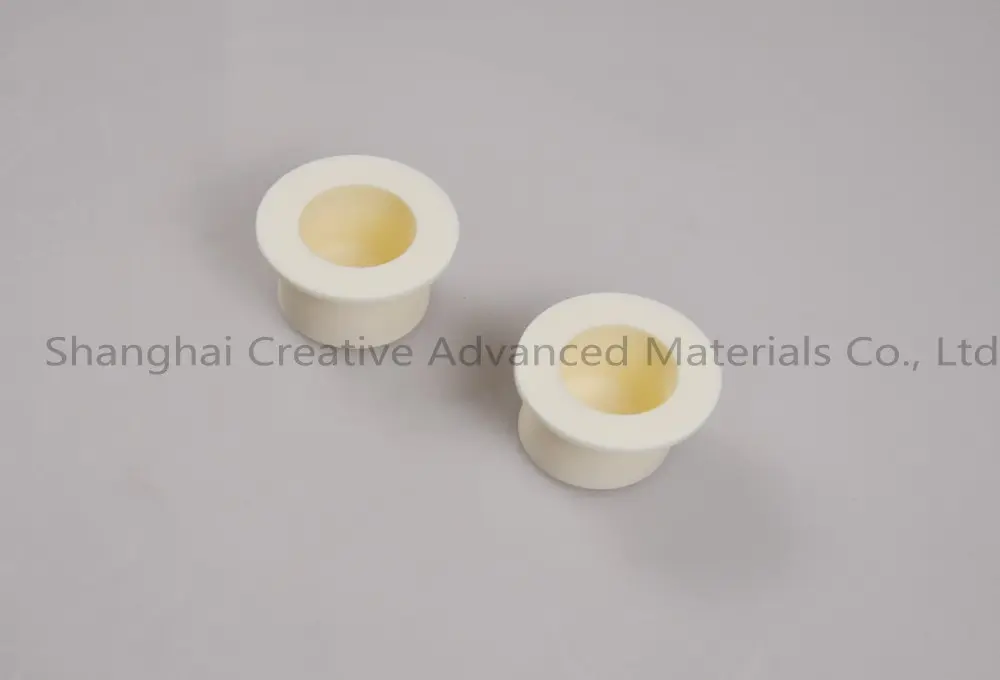
Second only to diamond and cubic boron nitride, Vickers hardness is about 1600-1700 HV and excellent wear resistance, while having a relatively low friction coefficient, making it ideal for wear-resistant components such as sealing rings, bearings, and liners under conditions of no lubrication or dry friction.
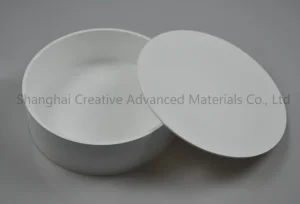
Can resist most strong acids (including hydrochloric acid, nitric acid, sulfuric acid at high temperatures), strong alkalis, organic solvents and molten metals, and maintain stable performance in high-temperature, high-humidity and corrosive gas environments. Its excellent high-temperature stability, melting point up to 1650°C, and low coefficient of thermal expansion make it suitable for high-temperature applications such as high-temperature furnaces (furnace tubes, crucibles), thermocouple protection tubes, heat exchanger components, and burner nozzles.
Possesses a very high resistivity, high dielectric strength, moderate dielectric constant, and low dielectric loss. Moreover, its density is relatively low, significantly lighter than metals such as steel, which is advantageous for achieving lightweight designs.
Widely used in circuit substrates (such as thick film/thin film circuits, hybrid circuits, LED packaging substrates, DCB ceramic copper clad laminates), critical insulating components (high voltage insulators, vacuum switch tube shells, semiconductor device insulation parts, spark plug insulators), and electronic packaging (IC packaging housings, sensor enclosures).
An ideal choice for insulation partitions in high-temperature equipment (including furnace tubes, crucibles, push plates, and support plates), burner components (such as nozzles and flame stabilizers), heat exchanger components, thermocouple protection tubes, and batteries (such as sodium-sulfur batteries and fuel cells).
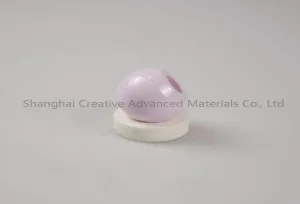
Applicable to artificial joints (femoral head of the hip joint, acetabular cup), dentistry (implants, dental crowns, abutments for bridges), as well as surgical cutting tools and guides.
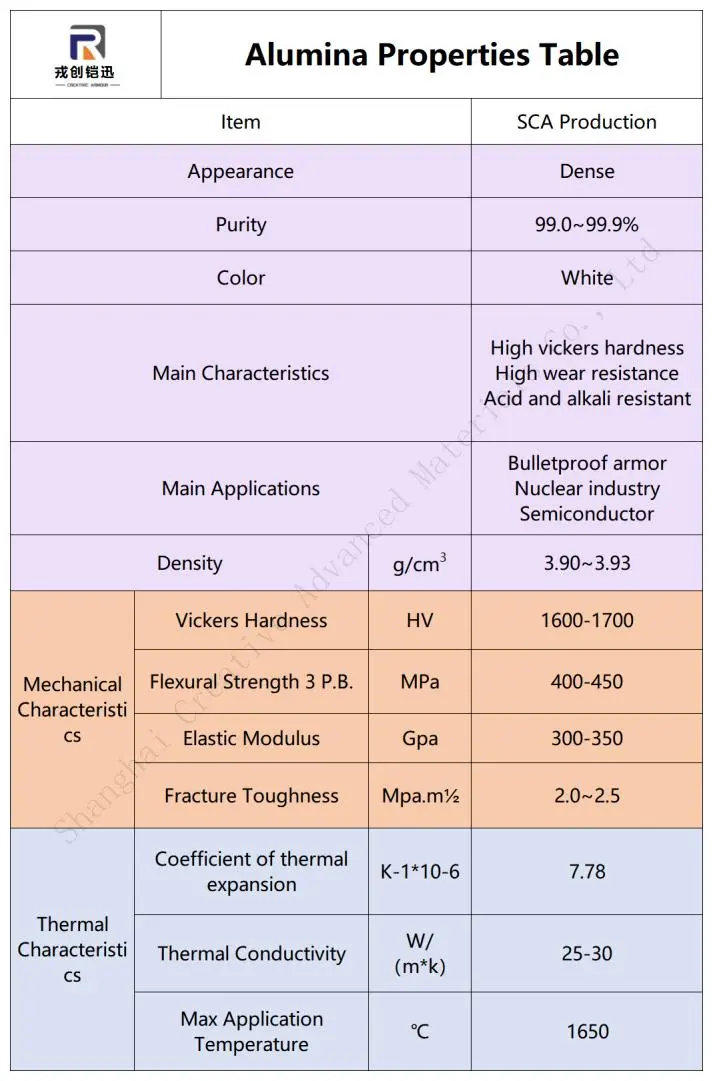
This material features exceptional hardness, second only to diamond and cubic boron nitride, with a Vickers hardness of approximately 1600-1700 HV, which offers superior wear resistance and a low friction coefficient.
Yes, it has outstanding thermal stability with a melting point reaching up to 1650°C and a very low coefficient of thermal expansion, making it highly reliable in high-temperature environments.
Absolutely. It resists most strong acids (including high-temperature hydrochloric, nitric, and sulfuric acids), strong alkalis, organic solvents, and molten metals under demanding conditions.
It serves as an excellent electrical insulator due to its exceptionally high resistivity, high dielectric strength, moderate dielectric constant, and low dielectric loss properties.
In the medical and biotechnology field, this material is highly applicable for producing artificial joint components (such as femoral heads and acetabular cups), dental implants, crowns, bridges, and precise surgical tools.