Home >
Powder Metallurgy Targets >
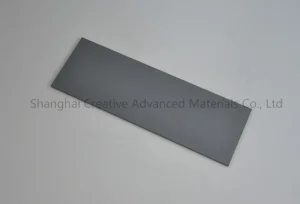
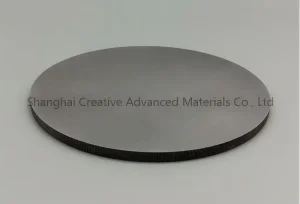
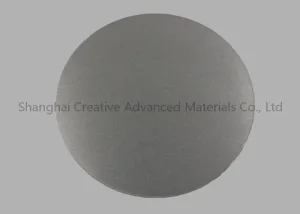
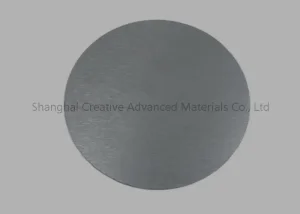
Wholesale Molybdenum target:specifically used for sputter coating Supplier, Factories
1 / 2
Wholesale Molybdenum target:specifically used for sputter coating Supplier, Factories
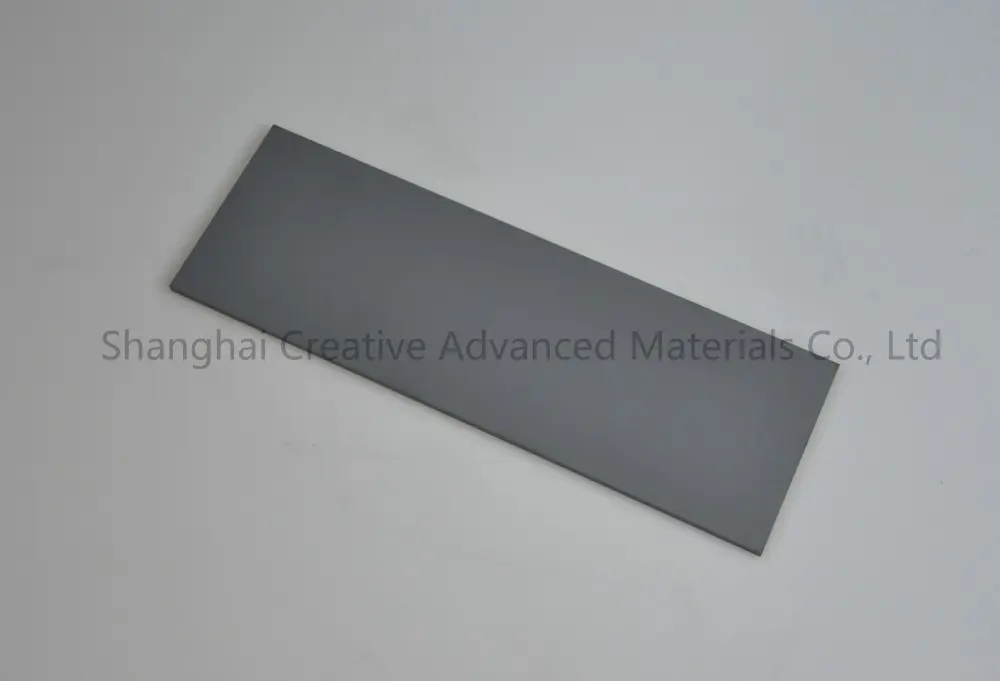
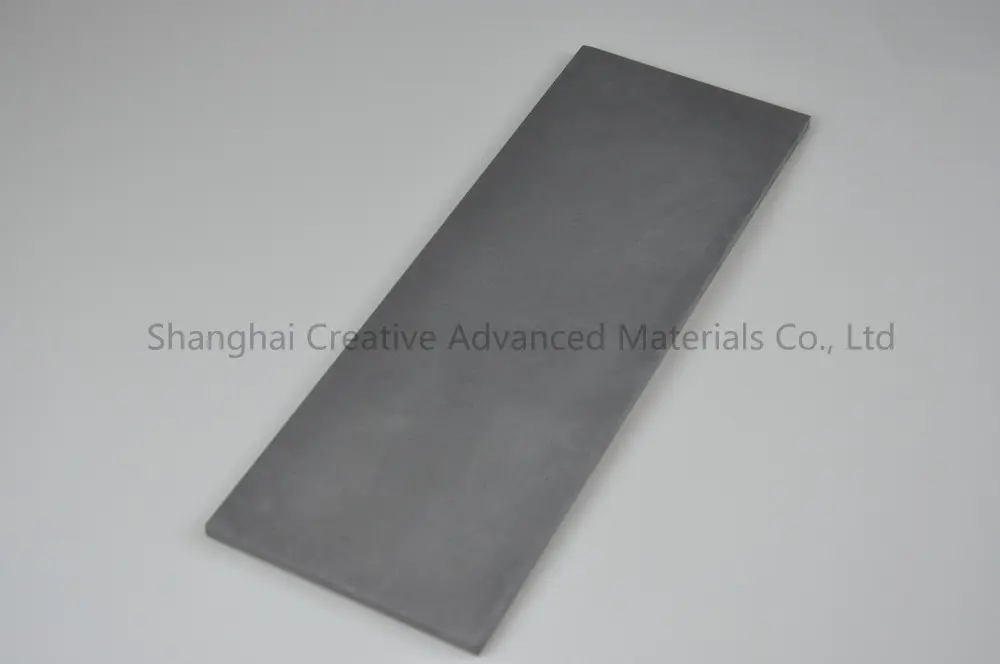
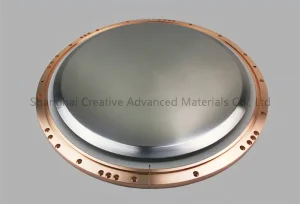
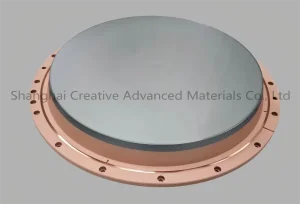
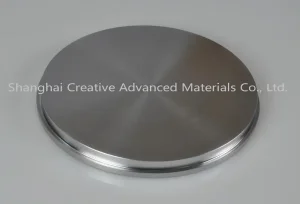
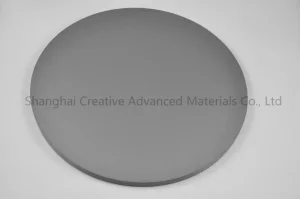
Mo target material is made from high-purity molybdenum metal through powder metallurgy, thermal or isostatic pressing, or melting and casting processes. It is specifically designed for use as a cathode material in physical vapor deposition, sputtering coating, and other similar processes. Within the vacuum chamber, molybdenum atoms are sputtered and deposited onto the substrate surface through ion bombardment, forming a functional thin film layer.
High-temperature stability and mechanical properties
Ultra-high melting point (2623°C)
Maintains structural stability in high-temperature sputtering environments (300~800°C) with strong resistance to thermal deformation.
High-temperature strength
Maintains high hardness and creep resistance at elevated temperatures, ensuring that the target material does not crack or deform during long-term processes.
Thermal expansion coefficient (4.8×10⁻⁶/K)
Provides excellent thermal compatibility with silicon and glass substrates, reducing delamination or cracking caused by thermal stress of the film.
Conductivity and thermal management performance
High conductivity
Improves sputtering efficiency and effectively reduces process energy consumption.
High thermal conductivity
Quickly conducts sputtering heat to prevent target cracking or droplet splashing caused by local overheating, ensuring the uniformity of the film layer.
Characteristics of Thin Film Deposition
Low sputtering rate
Requires high power excitation, resulting in a deposited film layer that is exceptionally dense with strong adhesion.
High density
Reduces porosity and defects during the sputtering process, improving overall film purity and compactness.
Controllable grain size
Achieves fine grain structure through process optimization, reducing sputtering particles and improving the surface finish of the film layer.
Chemical stability and multifunctionality
Corrosion resistance
Resistant to most acids, alkalis, and process gases (such as O₂ and N₂), making it suitable for reactive sputtering (such as deposited MoO₃ and MoN).
Low oxygen affinity
Not easily oxidized at high temperatures, maintaining the characteristics of high-purity metal films (requires control of the chamber oxygen content).
Frequently Asked Questions
What is the melting point and temperature stability of this material?
The material features an ultra-high melting point of 2623°C. It maintains structural stability and possesses strong resistance to thermal deformation in high-temperature sputtering environments ranging from 300°C to 800°C.
How does the thermal expansion coefficient affect the film deposition?
With a thermal expansion coefficient of 4.8×10⁻⁶/K, it matches closely with silicon and glass substrates. This excellent thermal compatibility reduces delamination, cracking, or defects caused by thermal stress during cooling.
Why is high thermal conductivity important for sputtering targets?
High thermal conductivity allows sputtering heat to dissipate rapidly. This prevents local overheating, reducing the risk of target cracking or droplet splashing, which ultimately ensures a uniform deposition layer.
Can this material be used for reactive sputtering processes?
Yes. Due to its outstanding chemical stability and corrosion resistance, it is highly suitable for reactive sputtering using process gases like O₂ and N₂ to deposit complex layers such as MoO₃ and MoN.
How does grain size control affect the final film finish?
Optimizing the grain size prevents the generation of unwanted sputtering particles. This results in a fine, compact grain structure that significantly improves the surface finish and density of the deposited film.