Wholesale Premium B₄C Powder for Industrial Use and Research Supplier, Suppliers

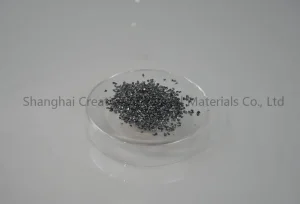
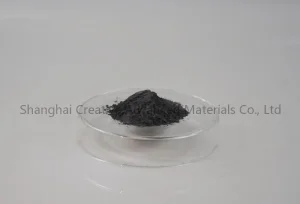
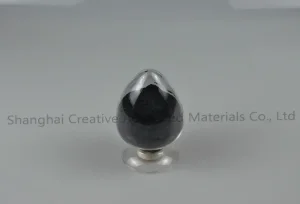
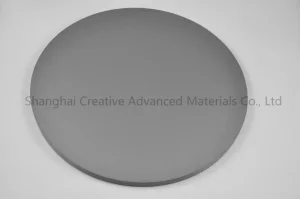
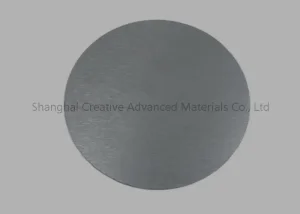
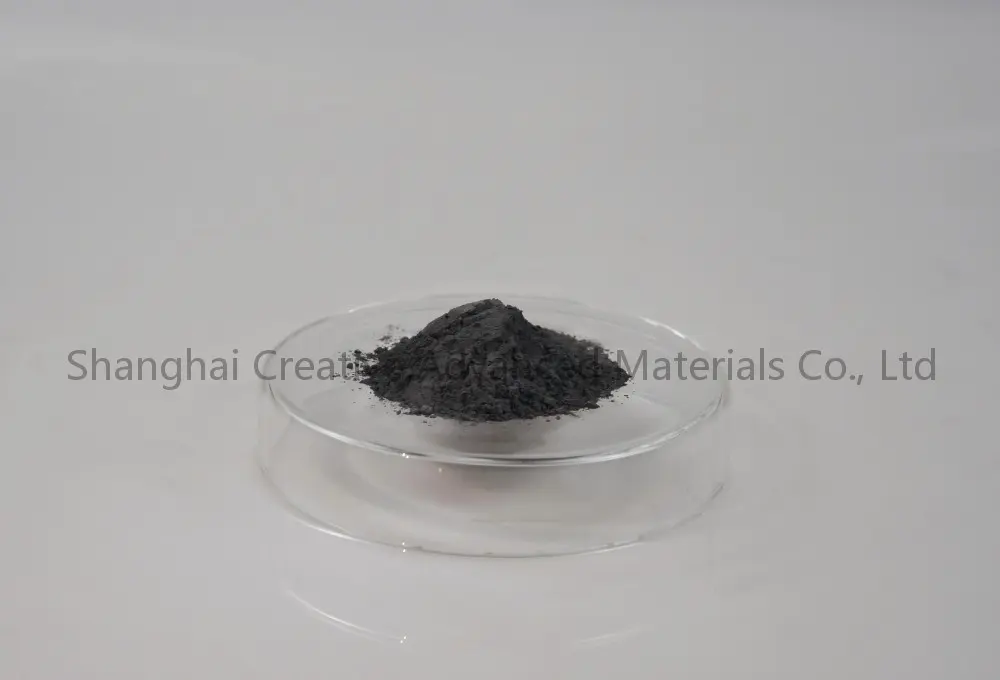
Boron carbide powder is the fundamental raw material for the preparation of boron carbide ceramics, coatings, and composite materials. It possesses high hardness, low density, corrosion resistance, and excellent neutron absorption properties, making it a crucial material in the field of high-performance ceramics and nuclear energy.

Product Description

Applications of Boron Carbide

Nuclear Industry

Neutron Absorbing Material: The boron-10 (¹°B) isotope, which is abundant in boron carbide, has an extremely high thermal neutron absorption cross-section. This makes it an ideal material for components such as control rods, shutdown rods, shielding materials, and spent fuel storage racks in nuclear reactors, used for controlling and absorbing neutron chain reactions.
Shielding Material: In addition to absorbing neutrons, its high hardness and wear resistance also make it suitable as a shielding structural material to protect personnel from radiation.

Grinding, Polishing & Cutting

Grinding Media: Boron carbide powder is widely used in the manufacture of abrasive paste, sandblasting (shot blasting) abrasives, free abrasives (used for grinding cemented carbide, gemstones, ceramics, precision components, etc.), as well as abrasive particles for grinding wheels, whetstones, and abrasive blocks.
Cutting Tools: As additives or coatings for carbide, they can significantly improve the hardness and wear resistance of tools and are used for machining high-hardness materials.

Semiconductor & Wear Parts

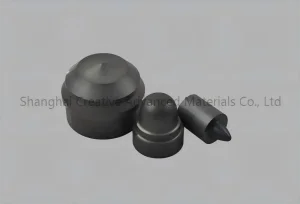
Industrial Applications: Boron carbide ceramics or composites are used to manufacture components in various extreme wear environments, such as nozzles (for sandblasting, waterjet cutting), seals, bearings, valve spools, liners (for conveying slurry, cement, etc.), hot extrusion molds, etc. Its excellent wear resistance can greatly extend the life of the component.
Grinding and Polishing: High-purity, ultra-fine boron carbide powder can be used for precision grinding and polishing of semiconductor wafers (such as silicon wafers), as well as surface treatment of hard disk substrates.
Additive Manufacturing

Emerging Applications (3D Printing): Boron carbide powder is being explored for use in additive manufacturing technologies such as laser sintering and binder jetting, enabling the direct fabrication of complex-shaped boron carbide ceramic components, including lightweight armor, wear-resistant parts, and neutron absorbers, thereby overcoming the challenges associated with traditional ceramic forming and processing.
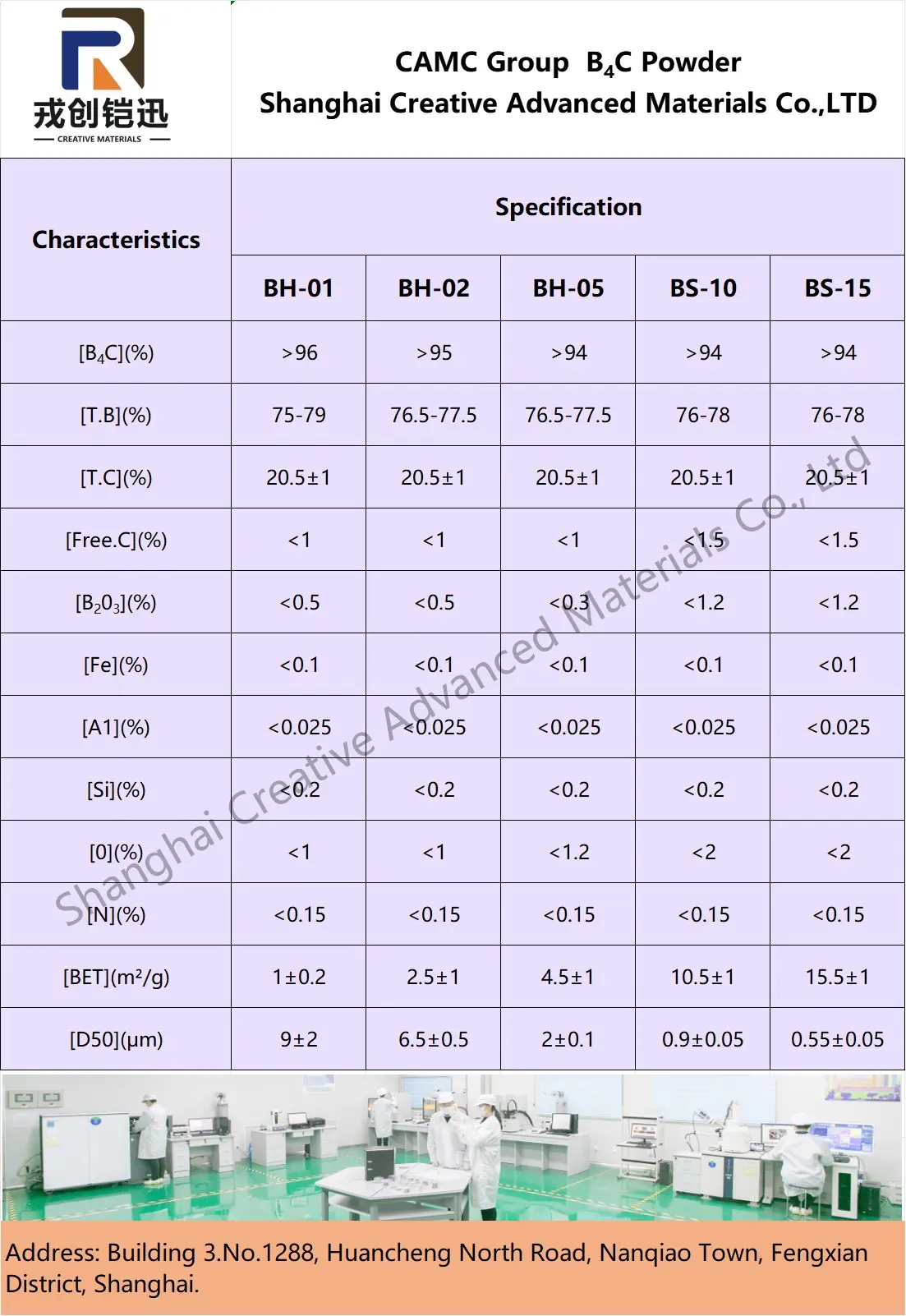
B4C Properties and Specifications Table

Frequently Asked Questions

Why is Boron Carbide used in nuclear reactors?
Boron Carbide contains a high concentration of the boron-10 (¹°B) isotope, which has a very high thermal neutron absorption cross-section. This makes it perfect for control rods, shutdown rods, and shielding to regulate and absorb neutron chain reactions.
How does Boron Carbide improve cutting and grinding tools?
Due to its extreme hardness, Boron Carbide powder is widely used as a grinding media/abrasive for ceramics, gemstones, and cemented carbide. When used as additives or coatings, it significantly increases the tool's overall wear resistance.
In what semiconductor processes is Boron Carbide applied?
High-purity, ultra-fine Boron Carbide powder is crucial for the precision grinding and polishing of semiconductor wafers (such as silicon wafers) and for the surface finishing of hard disk substrates.
What wear-resistant components are made from Boron Carbide?
It is used to manufacture components exposed to extreme friction and erosion, including sandblasting and waterjet nozzles, mechanical seals, bearings, valve spools, hot extrusion molds, and slurry conveyance liners.
How is 3D printing revolutionizing Boron Carbide manufacturing?
Additive manufacturing technologies, such as laser sintering and binder jetting, allow the direct fabrication of complex B4C shapes like lightweight armor and complex neutron absorbers, overcoming the processing limitations of traditional ceramic molding.

Related Products