1 / 1
As a raw material for high-silicon aluminum alloys (such as Si content of more than 30%), it is used to prepare electronic packaging substrates, CPU heat dissipation covers, and power module substrates.
Low CTE matching silicon chip to avoid thermal cycle failure; High thermal conductivity and rapid heat export; Lightweight (only 1/3 the density of copper) for aerospace electronics systems.
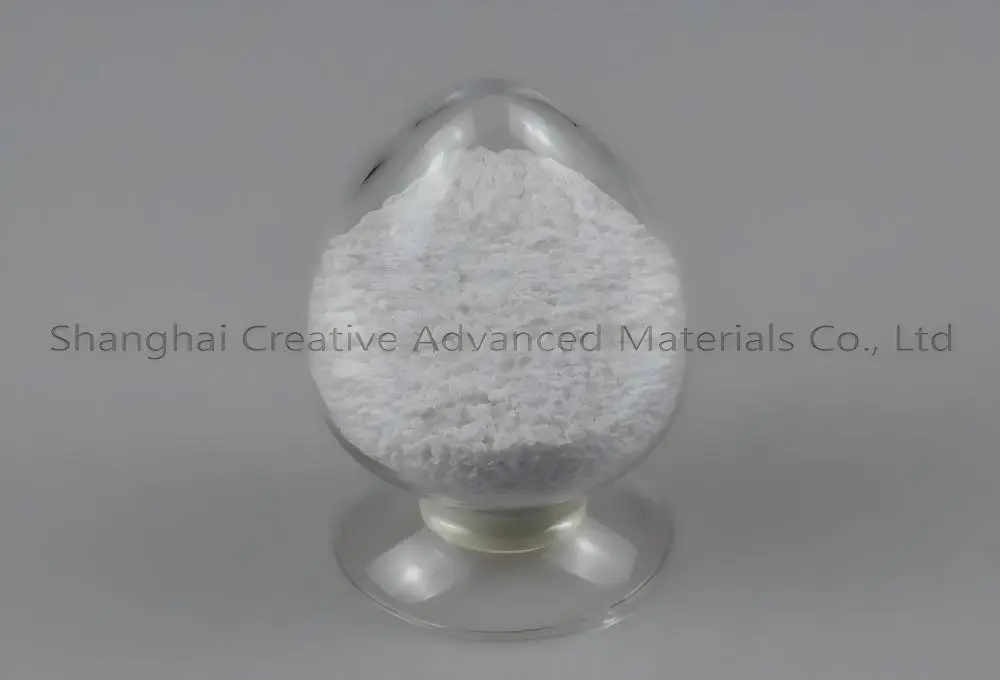
Molding by powder metallurgy or vacuum hot pressing to ensure low porosity and high density.
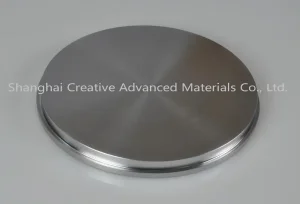
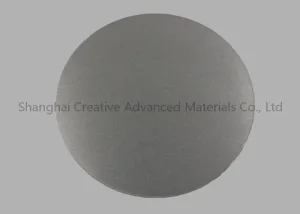
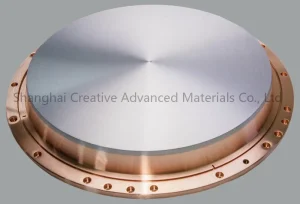
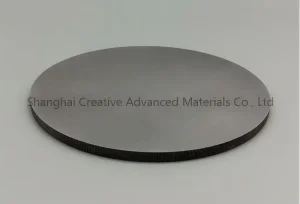
High-purity Si Al Slug (4N~6N grade) sputtering target for optical and semiconductor coating.
SiO₂/Si₃N₄ film: used in LOW-E energy-saving glass, AR transparency-enhancing optical devices; Semiconductor barrier layer: used as a diffusion barrier layer for copper interconnects in wafer fabrication; Display panel: TFT-LCD electrode and touch screen conductive layer.
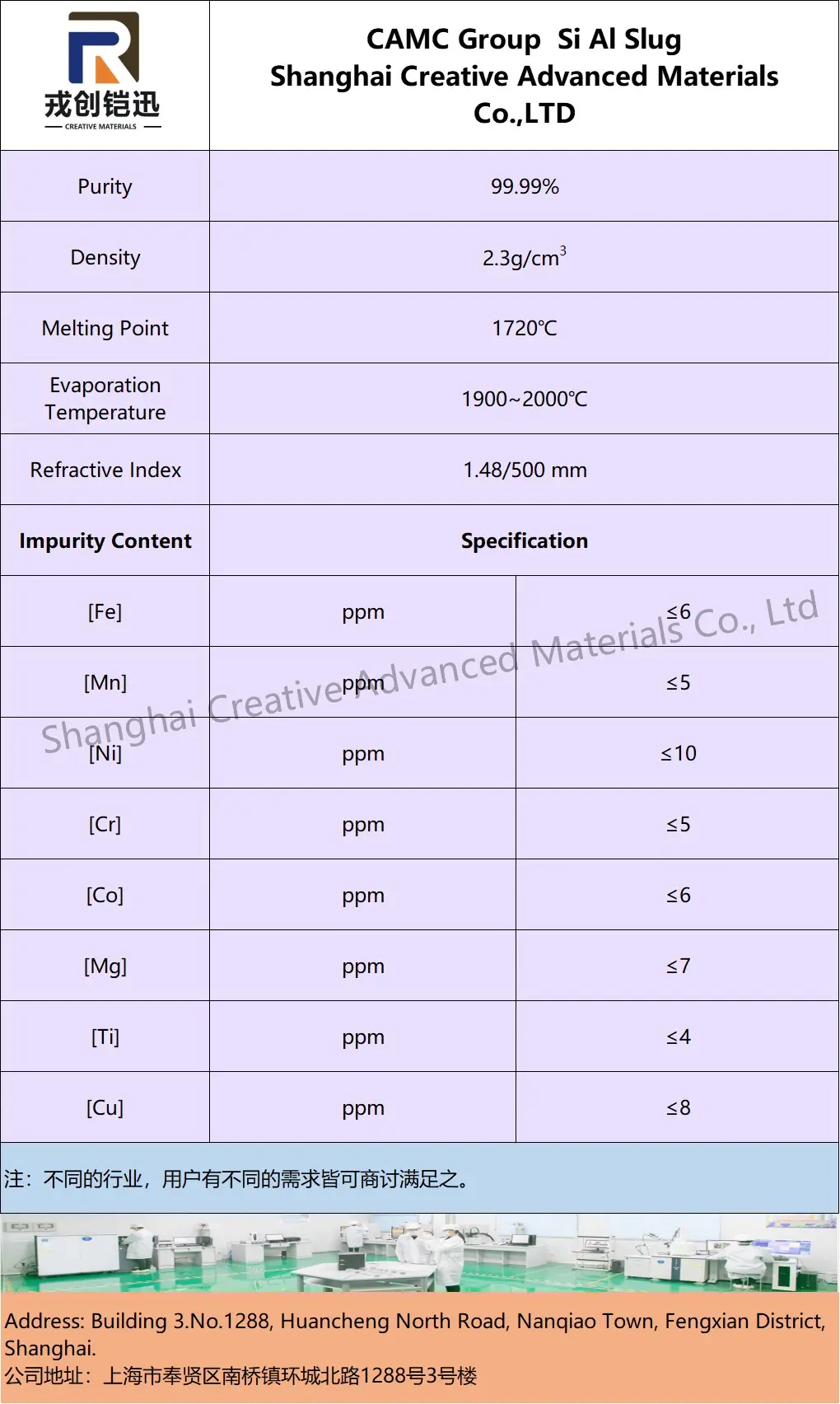
The target should meet the purity > 99.9%, the oxygen content ≤ 6000 ppm, and the density ≥ 2.2 g/cm³.
Added to cast aluminum-silicon melt as a master alloy to improve the wear resistance of mechanical components.
Automotive pistons, brake discs, gearboxes (gravity casting process).
High-density aluminum-silicon alloy replaces lead-based materials, which is environmentally friendly and corrosion-resistant.
Pre-alloyed powders are used for laser selective melting (SLM) to manufacture complex heat sinks.
Silicon-aluminum slag synthetic refractory aggregate for nuclear power plant protection structures.
It serves as a primary raw material for high-silicon aluminum alloys (containing over 30% Si) to manufacture electronic packaging substrates, CPU heat dissipation covers, and power module substrates.
It offers a low CTE matching silicon chips to prevent thermal cycle failure, high thermal conductivity for rapid heat dissipation, and a lightweight composition (only 1/3 the density of copper) optimized for aerospace electronics.
For sputtering targets in optical and semiconductor coatings, high-purity Si Al Slug (4N~6N grade) must maintain a purity level greater than 99.9%, oxygen content less than or equal to 6000 ppm, and density greater than or equal to 2.2 g/cm³.
It is introduced into cast aluminum-silicon melts as a master alloy, which increases the wear resistance of critical mechanical components such as automotive pistons, brake discs, and gearboxes.
It replaces hazardous lead-based materials for corrosion-resistant nuclear radiation shielding, acts as pre-alloyed powder for laser selective melting (SLM) 3D printing of complex heat sinks, and serves as a synthetic aggregate for nuclear protection structures.