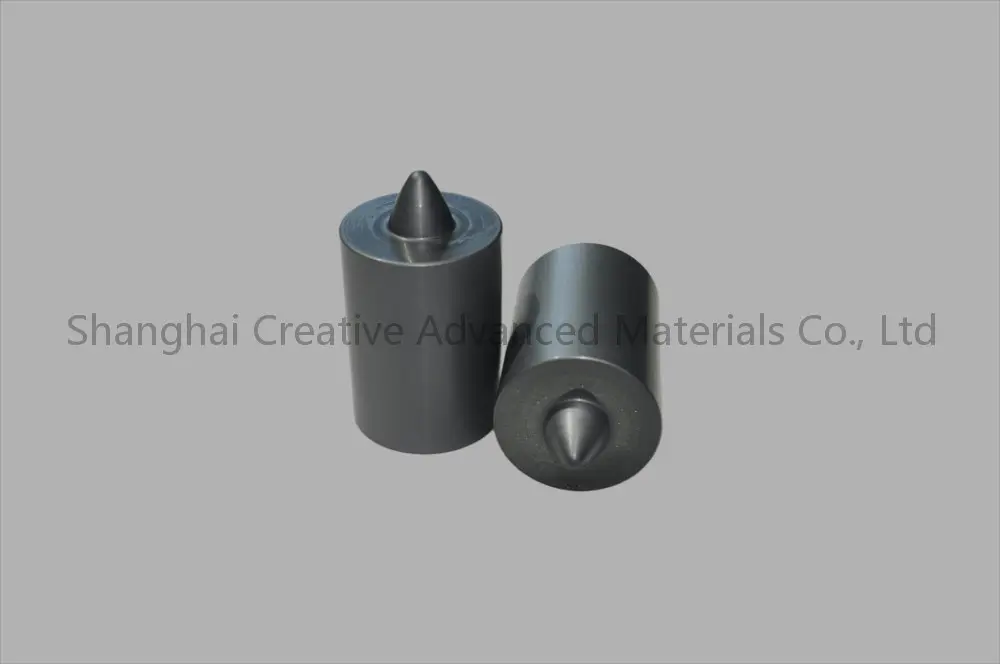
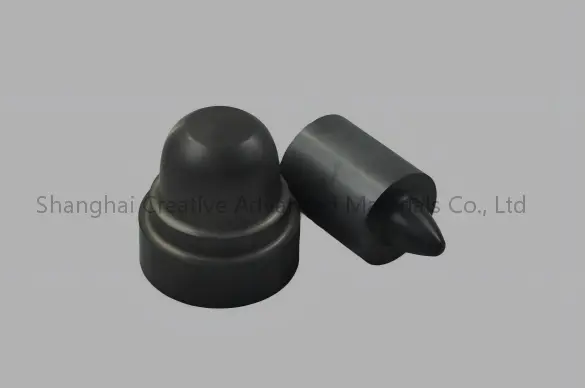
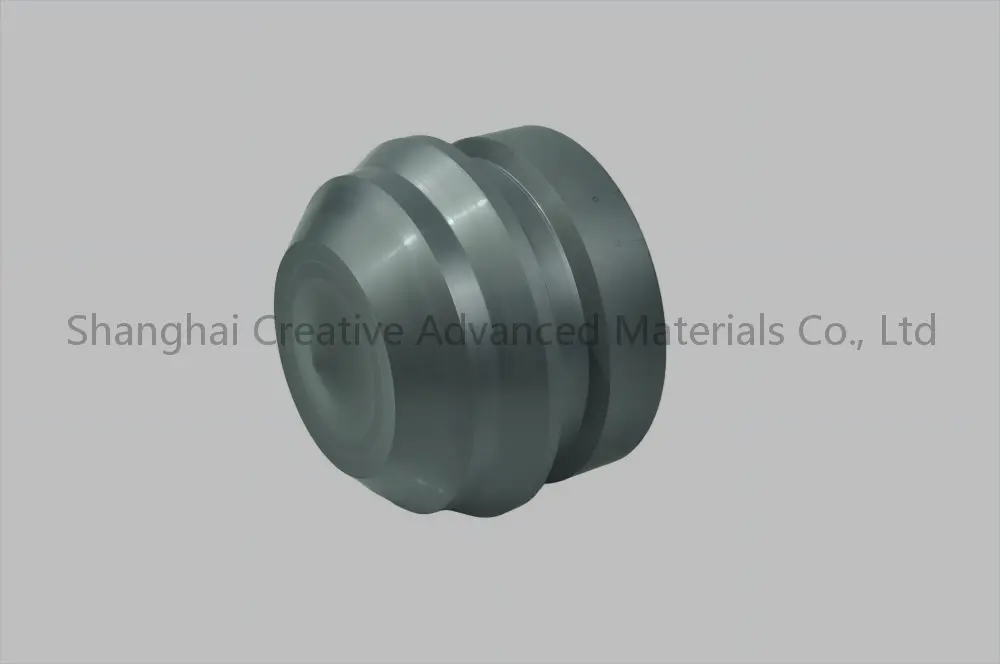
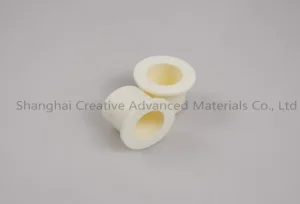
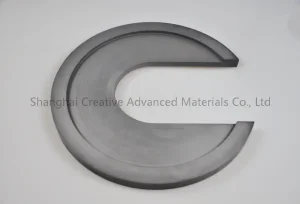
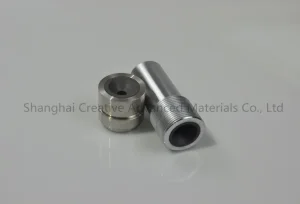
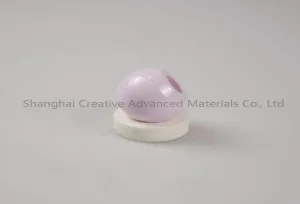
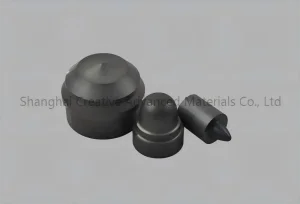
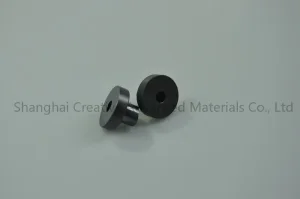
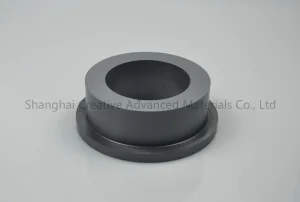
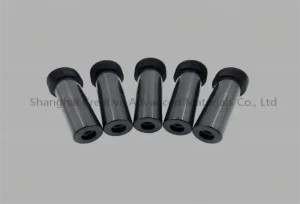
China Silicon Carbide Ceramic Valve Seat & Valve Core Manufacturers, Suppliers

These valve seats and valve cores are precision-engineered from high-quality silicon carbide (SiC), a material known for its exceptional hardness, chemical resistance, and thermal stability. Their robust design ensures reliable sealing and long-lasting performance in demanding environments.
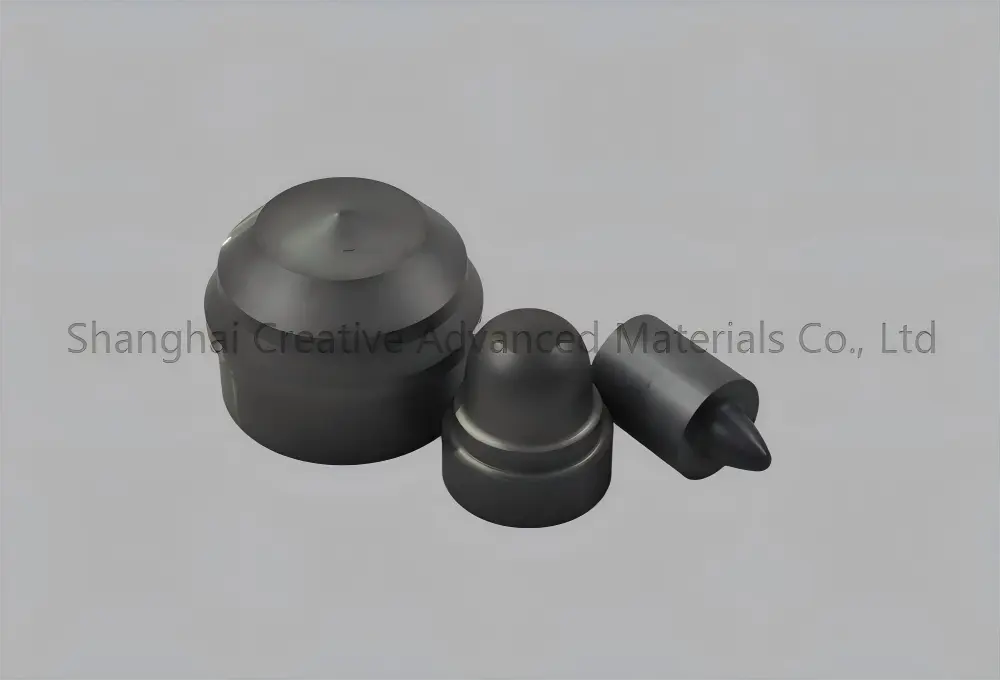
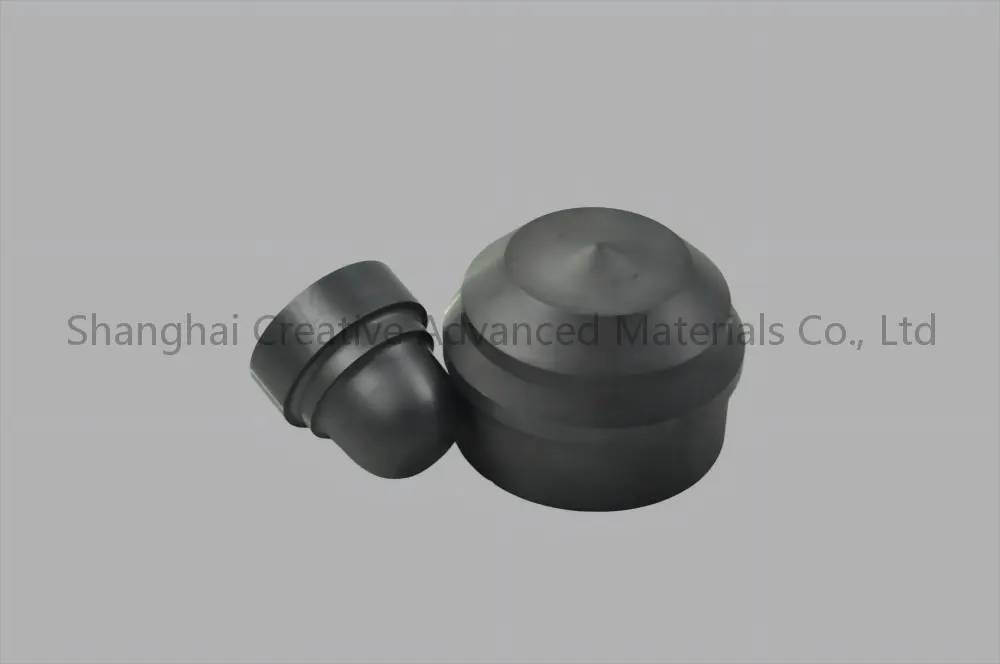
Product Description

Extreme environmental resilience
Resistant to strong acids, strong alkalis, oxidants, and organic solvent corrosion, applicable to a full pH range of 0-14; chemically inert, superior to stainless steel/alloys, preventing ion leaching and contamination of ultra-pure fluids. Capable of long-term working temperatures exceeding 1600°C, with excellent thermal shock stability and pressure resistance greater than 100 MPa, suitable for supercritical fluids and high-pressure steam systems.
Reliability of Mechanics and Thermodynamics
Compressive strength is greater than 3500 MPa, with no risk of plastic deformation. It has a low coefficient of thermal expansion compatible with most metal housings, preventing seal failure caused by thermal cycling. Additionally, its high thermal conductivity quickly dissipates localized frictional heat, preventing thermal stress-induced cracking.
Outstanding tribological performance
With an ultra-low abrasion rate, the hardness of the SiC-SiC friction pair exceeds 2500 HV. Its self-lubricating properties significantly reduce adhesive wear, providing a lifespan over five times that of aluminum oxide ceramic valves. It is resistant to wear from particle erosion and can withstand media containing solid particles (such as slurry and catalysts), with a surface erosion rate of less than 0.01 mm per year.
Frequently Asked Questions
What range of pH levels can this material handle?
It is chemically inert and fully operational across a wide pH range of 0 to 14, resisting strong acids, strong alkalis, oxidants, and organic solvents.
What are the temperature and pressure limits?
The material can withstand long-term working temperatures exceeding 1600°C and pressures greater than 100 MPa, making it suitable for supercritical fluids and high-pressure steam.
Does this material deform under high pressure?
No. With a compressive strength exceeding 3500 MPa, there is no risk of plastic deformation under intense mechanical load.
How does it prevent seal failures caused by temperature changes?
It features a low coefficient of thermal expansion that aligns with most metal housings, preventing the mismatch and seal degradation usually caused by thermal cycling.
How long is the lifespan compared to traditional ceramic valves?
Thanks to its ultra-low abrasion rate and self-lubricating properties, the SiC-SiC friction pair delivers a lifespan that is more than five times longer than that of aluminum oxide ceramic valves.
Can this material withstand media with abrasive particles?
Yes, it has high resistance to particle erosion from media containing solid particles like slurry and catalysts, keeping the surface erosion rate below 0.01 mm per year.

Related Products