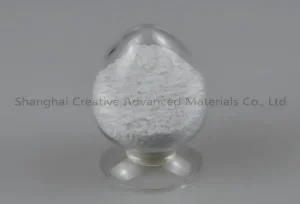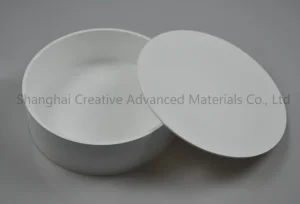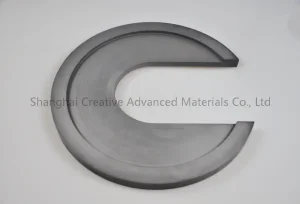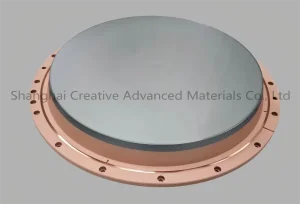
The global Coated Alumina market is currently undergoing a paradigm shift, driven by the explosive growth of electric vehicle (EV) batteries and 5G telecommunications. Coated Alumina, particularly High-Purity Alumina (HPA) with nano-scale surface treatments like Silica (SiO2) or Titania (TiO2), has become the cornerstone of thermal management and electrical insulation.
As a leading China Coated Alumina Factory, we have observed that the industry is moving away from simple bulk properties toward complex surface-functionalized particles. In the current industrial landscape, China accounts for over 45% of the global production capacity, acting as a vital node in the supply chain for international tech giants.
The market is projected to reach USD 3.5 Billion by 2028, with a CAGR of 12.4%. China's localized supply chain reduces costs by 20-30% compared to Western counterparts.
Shift toward Atomic Layer Deposition (ALD) coating techniques to achieve uniform, angstrom-level thickness for semiconductor applications.
Vertical integration of "Alumina Sourcing -> Nano-coating -> Precision Component Fabrication" is the winning strategy for modern suppliers.
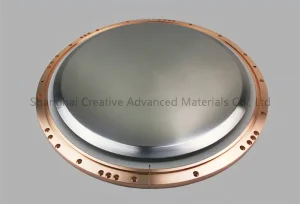
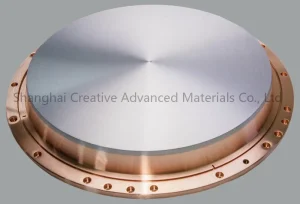
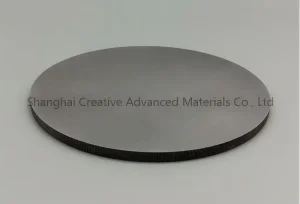
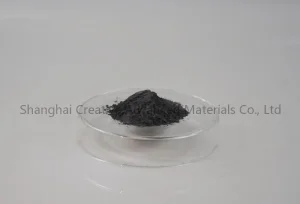
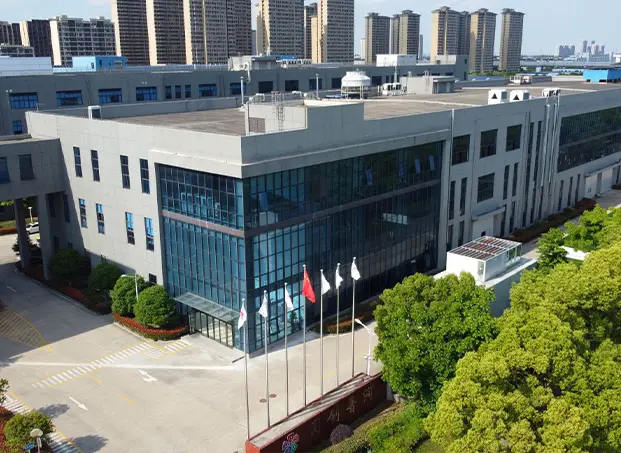
Established in the Shanghai Industrial Comprehensive Development Zone, we are a high-tech powerhouse integrating research, development, production, and sales. We specialize in semiconductor ceramic targets, powder metallurgy targets, and advanced ceramic components.
With 19 years of deep-rooted experience, we have pioneered the development of neutron absorption materials and polymer-ceramic composites used in the most demanding environments on Earth and beyond.
Years Experience
Core Technologies
Professionals
Satisfied Clients
The evolution of Coated Alumina can be categorized into three distinct phases:
Coated Alumina acts as a ceramic separator coating, ensuring structural integrity at temperatures exceeding 200°C, a critical E-E-A-T requirement for automotive safety.
In Plasma Etch environments, Coated Alumina components provide superior corrosion resistance against fluorine gases, extending equipment life by 300%.
Advanced composites utilizing alumina with polymer coatings provide lightweight, high-impact resistance for modern defense systems.
Rigorous quality management for superior information gain and reliability.
Control of purity, particle size, and chemical composition stability.
Slurry concentration control and monitoring particle distribution.
Automated presses for high consistency and structural blank strength.
Hot pressing, pressureless, and reaction sintering methodologies.
Imported high-precision equipment for sub-micron accuracy.
CMM size testing and ceramic performance verification.
Semiconductor-grade clean lines and dust-free workshops.
Global export qualifications with reliable shipping partners.

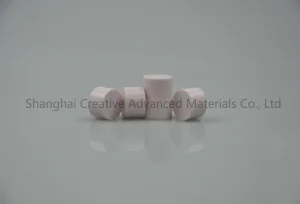
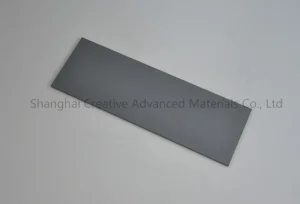
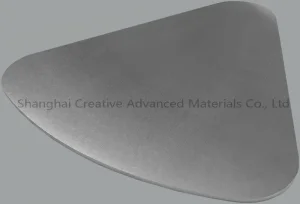
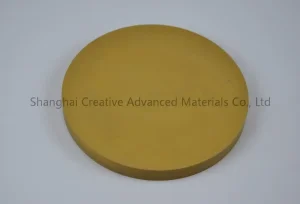
The "Black Diamond." Essential for neutron absorption in nuclear reactors and high-hardness armor systems for tanks and helicopters.
Synthetic crystalline compound for precision components in LED and solar fields. Exceptional thermal shock resistance.
The backbone of industrial ceramics. Used in semiconductor wafers and as the substrate for advanced coated materials.
China's factory ecosystem provides high-purity alumina with consistent nano-coatings that prevent battery separators from shrinking under heat, significantly reducing fire risks in Lithium-ion cells.
We employ several methods including chemical vapor deposition (CVD), liquid-phase coating, and advanced spray granulation to ensure uniform surface coverage and specific particle size distribution.
It provides a dielectric layer that is resistant to plasma erosion. This reduces particulate contamination during wafer processing, improving yield for chip manufacturers.
Yes, we offer customization from micron-level down to nano-scale, ensuring the materials meet the specific viscosity and density requirements of your application.
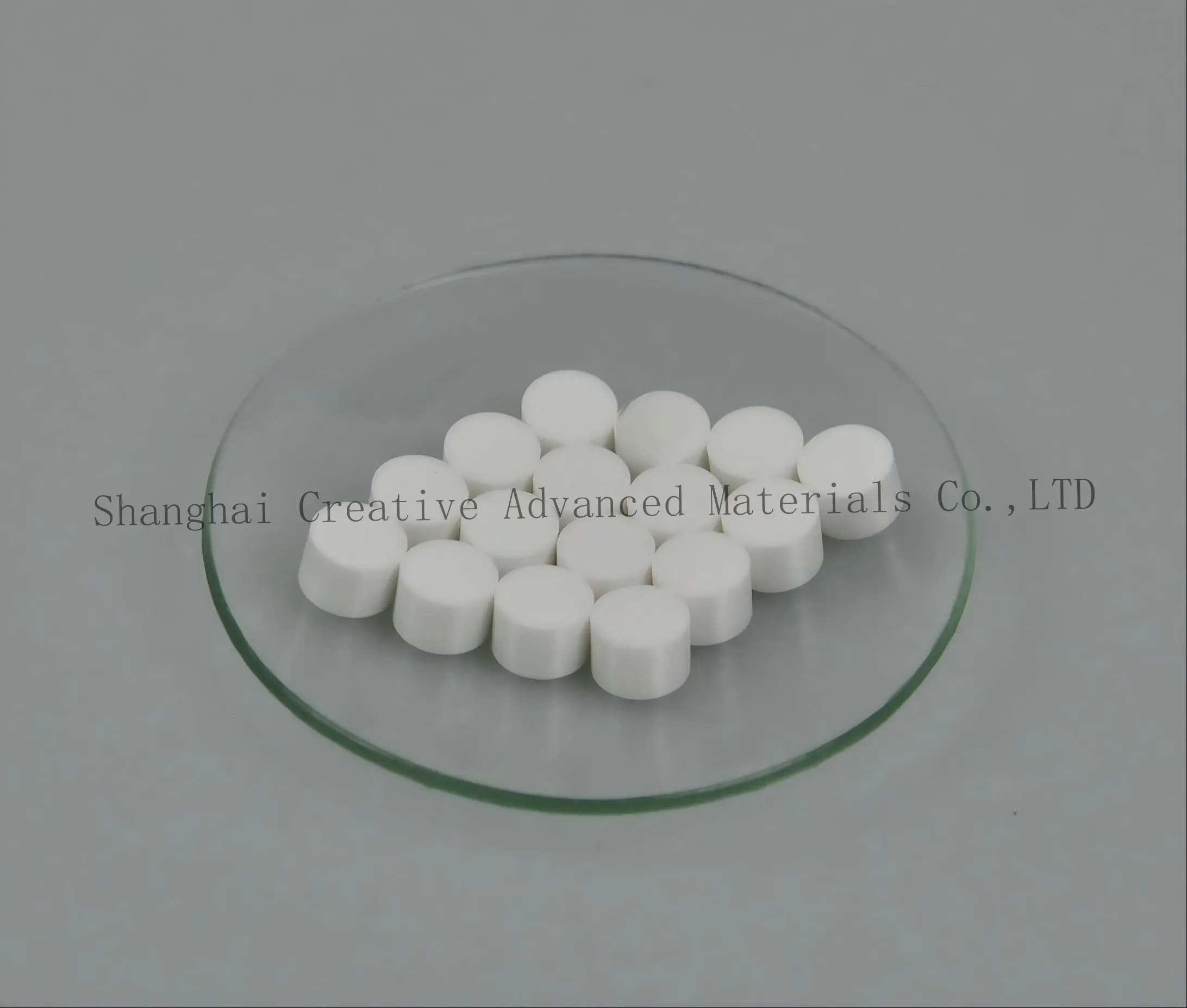
Localized sintering technologies drive upgraded zirconia ceramic industry in China.
2026-07-02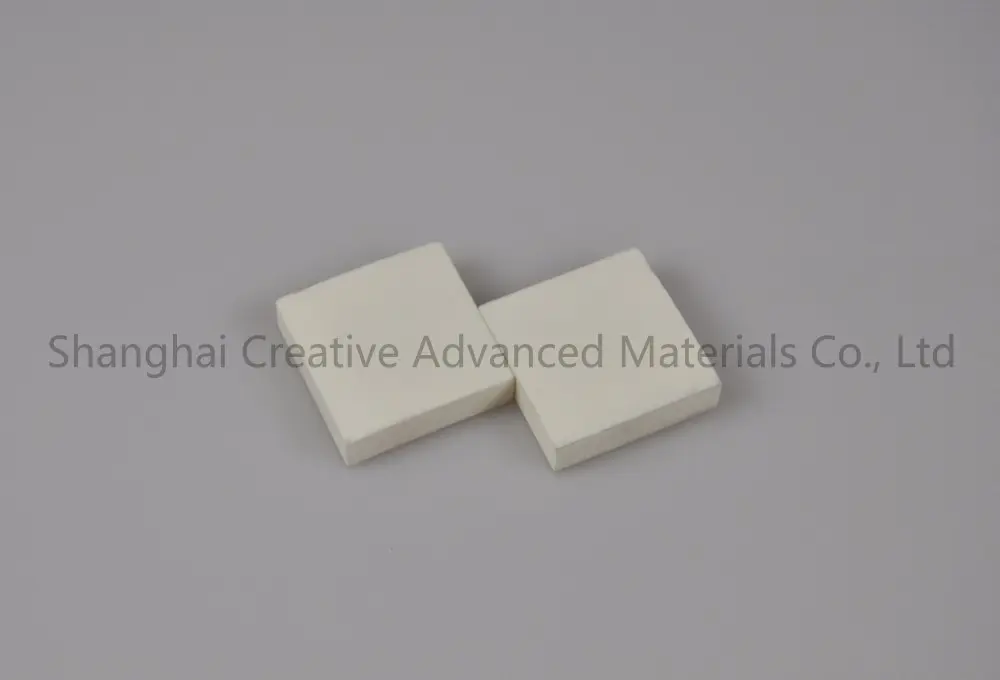
How high-pressure sintering is changing the landscape of target materials.
2026-06-03
Exploring cost-effective methods for large-scale ceramic component production.
2026-05-22