High-performance ceramic components and targets for semiconductor and aerospace applications.
Understanding the transition from traditional "brittle" materials to advanced structural integrity.
In the world of materials science, "Ceramic Brittle" was once a limitation. Today, through advanced manufacturing at Shanghai Creative Advanced Materials Co., Ltd, it represents the pinnacle of hardness and thermal stability. While traditional ceramics were prone to catastrophic failure, modern structural ceramics like Boron Carbide (B₄C) and Silicon Carbide (SiC) are engineered with optimized grain structures to enhance fracture toughness without sacrificing their legendary resistance to wear and corrosion.
The global market for advanced ceramics is experiencing a 7.4% CAGR, driven largely by the Semiconductor Sourcing Boom and the Aero-defense Sector. Tier 1 global enterprises are no longer just looking for a "supplier"; they are looking for "supply chain resilience." Procurement teams from North America, Europe, and Southeast Asia are increasingly auditing factories for Full Traceability—from the purity of the raw powder to the final CMM (Coordinate Measuring Machine) report.
Global semiconductor fabs require ceramic components with tolerances tighter than ±0.005mm.
Increasing demand for materials that function reliably above 1500°C in inert atmospheres.
Purchasing managers are shifting focus from "unit price" to "component lifespan" in abrasive environments.
How we integrate technology into the traditional ceramic manufacturing process.
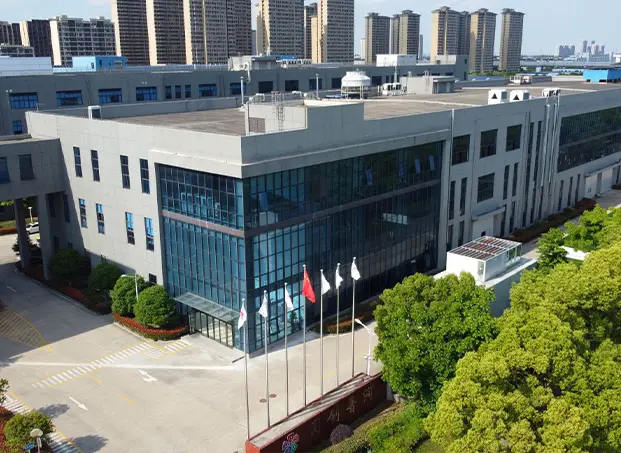
Established in the Shanghai Industrial Comprehensive Development Zone, we are at the epicenter of China’s high-tech manufacturing revolution. Our "Factory 4.0" approach focuses on three core pillars:
Specialized solutions for extreme physical and chemical environments.
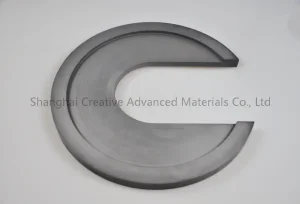
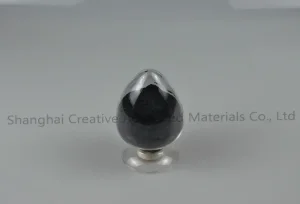
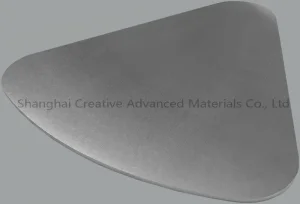
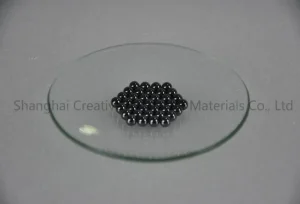
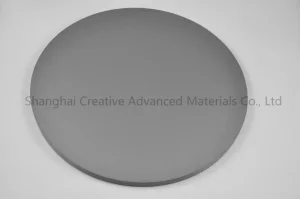
Known as "Black Diamond," B₄C is the hardest material after diamond and cubic boron nitride. Our factory produces high-density B₄C plates and components for nuclear neutron absorption and lightweight armor systems.
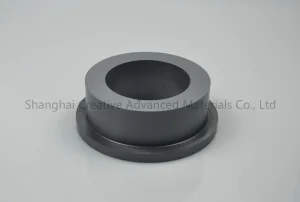
A synthetic crystalline compound used for precision semiconductor valves and LED manufacturing components. Our SiC offers exceptional thermal shock resistance and high-temperature strength.
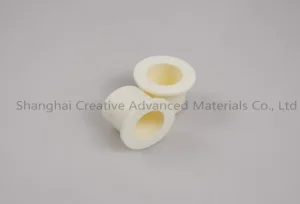
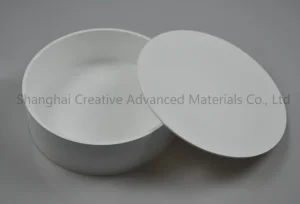
The workhorse of the ceramic industry. We specialize in high-purity (99.9%+) Alumina for insulating components in plasma etching environments where chemical inertness is non-negotiable.
The "White Graphite." Offering unique thermal conductivity combined with electrical insulation. Ideal for nozzles in aircraft engines and rocket propulsion systems.
Eight steps to ensuring material excellence and zero-defect delivery.

Strict control over particle size and chemical composition stability.

Ensuring slurry uniformity and powder flowability.

Automated pressing for consistent blank strength.

Hot pressing, pressureless, and reaction sintering methods.

Imported high-precision equipment for sub-micron accuracy.

CMM size testing and full ceramic performance audits.

Dust-free workshop packaging for semiconductor-grade use.

Global export qualifications with reliable logistics partners.
Where our advanced ceramics are making a difference today.
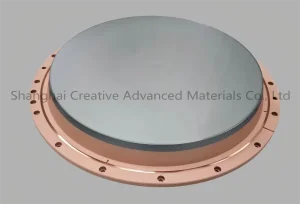
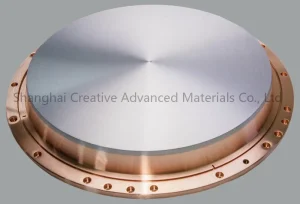
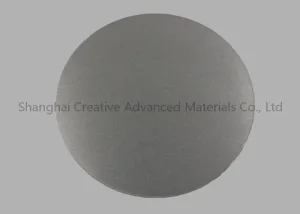
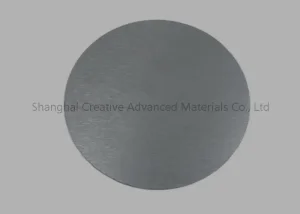
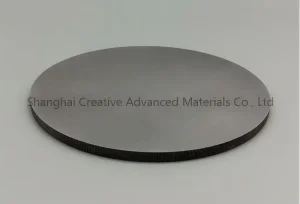
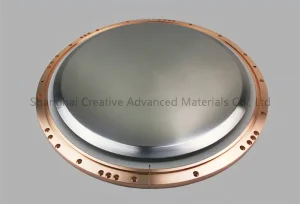
Sputtering targets (WTi, WSi, Cr) and ceramic end-effectors used in the world's leading wafer fabs.
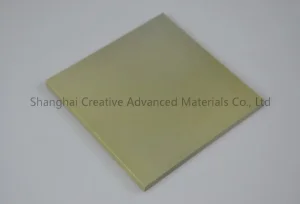
Boron Carbide sintered plates for neutron shielding and control rods in modular reactors.
Lightweight ballistic armor for helicopters and high-temperature nozzles for propulsion systems.
Addressing the technical concerns of industrial ceramic procurement.
A: We utilize Hot Isostatic Pressing (HIP) and optimize sintering additives to increase fracture toughness. Furthermore, we assist clients in design-for-ceramics, ensuring stress is distributed evenly across the component.
A: Our Tungsten (W) and Chromium (Cr) targets reach 99.95% to 99.999% purity, depending on specific customer requirements for thin-film applications.
A: Yes, our machining center is equipped with multi-axis CNC grinders that can produce complex geometries in SiC and Alumina based on your CAD files.
A: Typical production cycles for standard components are 4-6 weeks. Custom-engineered structural ceramics may take 8-10 weeks depending on the complexity of the sintering process.
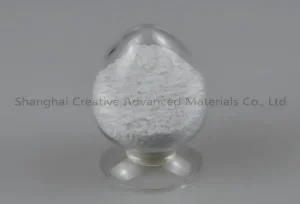
Wholesale alloy targets and specialty ceramic powders.