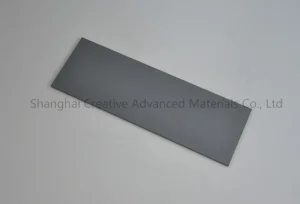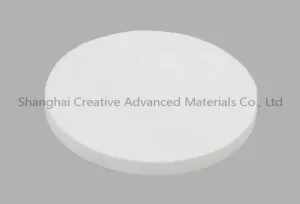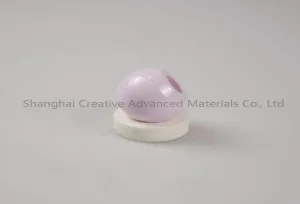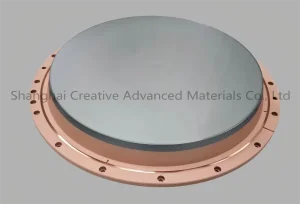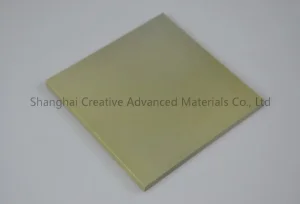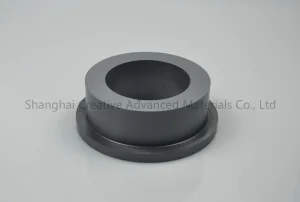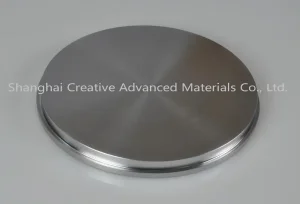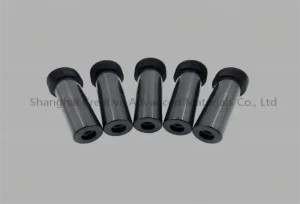
Explore our top-performing industrial target components and structural ceramics, engineered for extreme reliability and sputter coating accuracy.
Why material scientists choose Aluminium Titanate for the most aggressive thermal environments.
Aluminium Titanate (Al₂TiO₅), also known as tialite, is a stoichiometric synthetic solid solution of alumina (Al₂O₃) and titania (TiO₂). Its unique crystal structure (orthorhombic pseudobrookite phase) exhibits highly anisotropic thermal expansion behavior. When subjected to heating and cooling cycles, this anisotropy generates a controlled network of submicron-scale microcracks within the ceramic body. These microcracks act as internal mechanical stress dampers: as the material expands, the microcracks absorb the strain, resulting in an exceptionally low macroscopic Coefficient of Thermal Expansion (CTE < 1.5 × 10⁻⁶/K). This provides the ceramic with outstanding thermal shock resistance, enabling it to withstand repeated thermal cycling from room temperature to 1400°C without mechanical failure.
However, pure Aluminium Titanate is thermodynamically unstable in the temperature range of 900°C to 1280°C, where it tends to decompose back into Al₂O₃ and TiO₂. Modern advanced manufacturers resolve this vulnerability through chemical stabilization. By doping the material matrix with minor additives such as magnesium oxide (MgO), silica (SiO₂), or zirconia (ZrO₂), a stable composite crystal structure is formed. This stabilized formulation maintains its phase integrity and low thermal expansion index even during prolonged continuous operation.
The microcrystalline structural flexibility permits Aluminium Titanate products to survive intense temperature fluctuations. This property is crucial for molten aluminum transport components, such as riser tubes, where cold air and molten metal interface directly.
Aluminium Titanate displays low wettability when in contact with non-ferrous molten metals, particularly aluminum, magnesium, and zinc alloys. This reduces slag buildup, eliminates material contamination, and lowers maintenance overheads in casting shops.
By optimizing chemical dopants, the composite material maintains mechanical stability, chemical inertness, and high corrosion resistance against gaseous acids, alkaline slags, and harsh flux agents.
How Aluminium Titanate compares to other technical ceramics in high-temperature environments.
| Material Property | Aluminium Titanate (Al₂TiO₅) | Silicon Carbide (SiC) | Alumina (Al₂O₃) | Zirconia (ZrO₂) |
|---|---|---|---|---|
| Thermal Expansion (10⁻⁶/K) | 0.5 – 1.5 | 4.0 – 4.5 | 7.2 – 8.6 | 10.0 – 10.5 |
| Thermal Shock Resistance | Outstanding | Excellent | Moderate | Moderate to Poor |
| Wettability by Molten Al | Non-Wetting | Wets slowly | Wets | Wets |
| Max Service Temp (°C) | 1450 (Stabilized) | 1600 (Reaction bonded/sintered) | 1700 | 2000 (YSZ) |
| Thermal Conductivity (W/m·K) | 1.5 – 2.0 (Low insulator) | 110 – 150 (High conductor) | 26 – 35 | 2.0 – 3.0 |
Understanding the raw material access, advanced sintering technology, and manufacturing scale advantages.
Sourcing advanced structural ceramics like Aluminium Titanate from Chinese factories offers several strategic supply chain advantages. These benefits stem from raw material availability, advanced manufacturing processing, and cost efficiency:
China is a leading global producer of synthetic high-purity Alumina (Al₂O₃) and Titanium Dioxide (TiO₂). Chinese factories utilize domestic reserves of high-grade rutile and calcined alumina, lowering transport costs and stabilizing the supply chain for key raw inputs.
Modern Chinese manufacturing lines employ automated, atmosphere-controlled shuttle and tunnel kilns. Operating at temperatures between 1500°C and 1650°C, these systems ensure precise control over heating and cooling rates, which is necessary to form the required microcracking pattern while avoiding phase separation.
By scaling operations and integrating CNC green-state machining with diamond-wheel grinding, factories can produce complex geometries—such as dosing tubes and sprue bushings—at lower price points, facilitating cost-effective global distribution.
Integrating Aluminium Titanate components across non-ferrous casting, automotive, and power generation systems.
Aluminium Titanate is utilized in applications where thermal stress, chemical erosion, and molten metal adhesion present engineering challenges. Key application areas include:
In low-pressure die casting (LPDC) and gravity die casting of aluminum, components such as riser tubes, dosing tubes, ladles, and sprue bushings are exposed to thermal cycling. Aluminium Titanate's non-wetting properties help prevent oxide skin formation and slag buildup, reducing cleaning frequency and improving casting quality.
Due to its high thermal shock resistance and low thermal conductivity, Aluminium Titanate is used to manufacture Honeycomb substrates for diesel particulate filters (DPFs) and catalytic converter linings. These components withstand rapid thermal expansion without cracking under hot exhaust gas streams.
In glass processing, raw glass batches can react with conventional refractories, causing particulate contamination. Aluminium Titanate's high chemical inertness and low thermal expansion index make it suitable for manufacturing feeder wear parts, nozzles, and burner blocks.
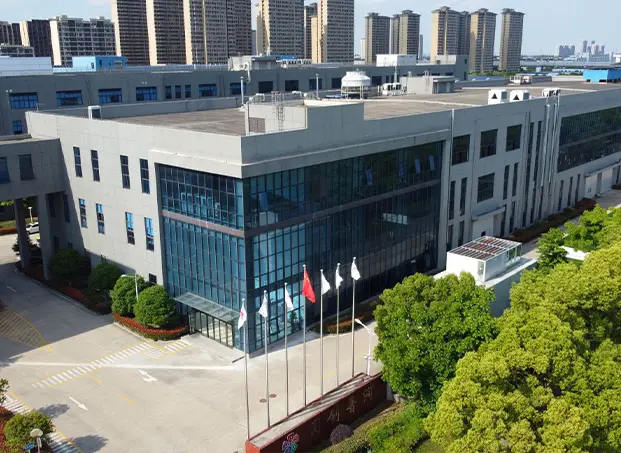
Established in the Shanghai Industrial Comprehensive Development Zone, Shanghai Creative Advanced Materials Co., Ltd. (SCA) is primarily engaged in the research, development, production, and sales of semiconductor ceramic targets, powder metallurgy targets, ceramic components, advanced ceramic materials and products, polymer materials, and neutron absorption materials.
SCA provides raw materials, custom components, and finished assemblies tailored to customer specifications. The company offers material traceability from raw powder to the final sintered component, and has patented several advanced material formulations and processing methods.
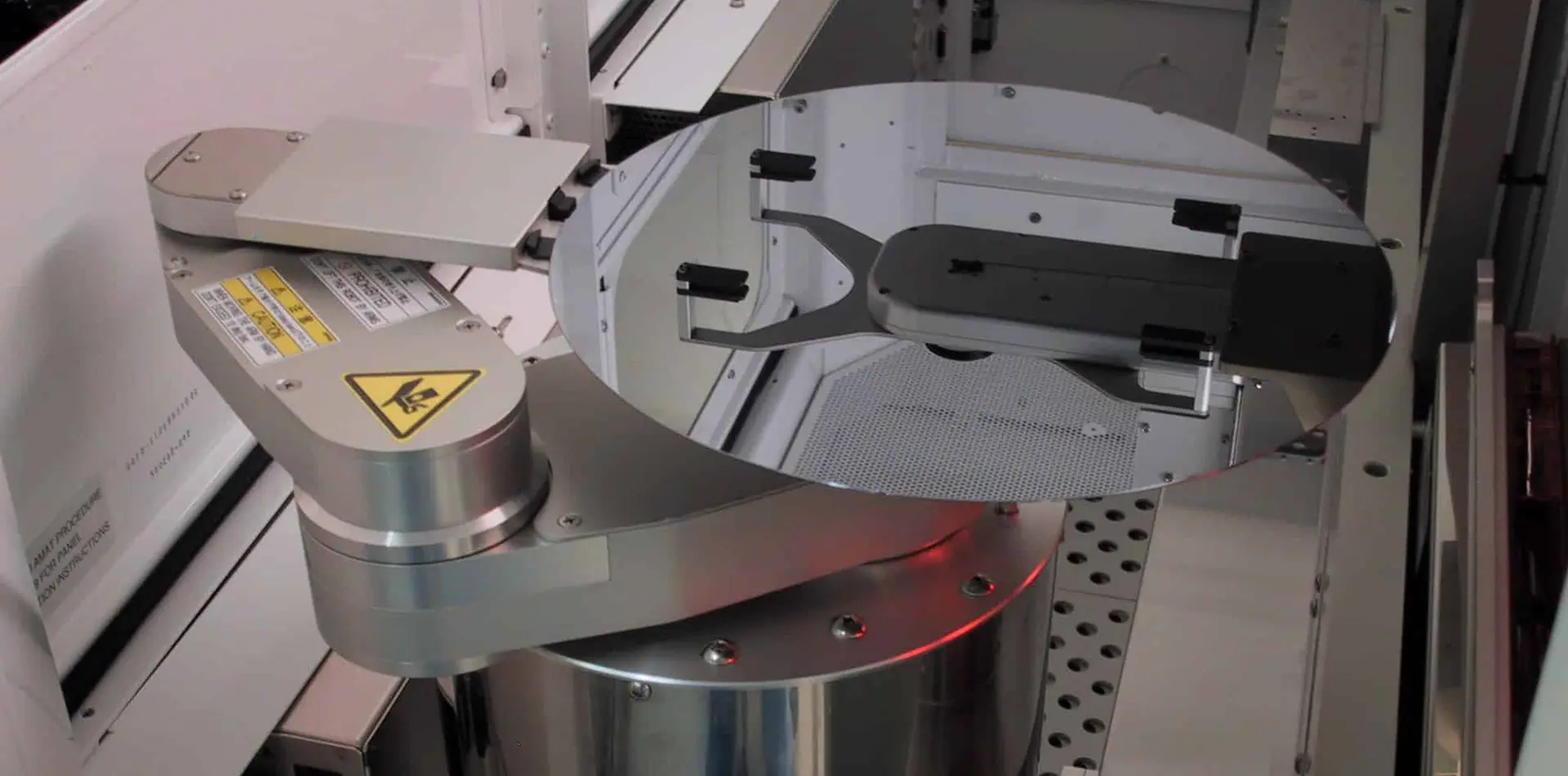
Our advanced material portfolio is designed to meet strict operating demands across diverse industrial sectors.
 01
01
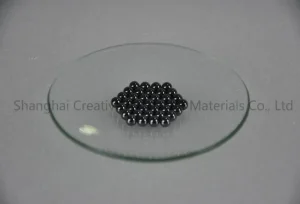
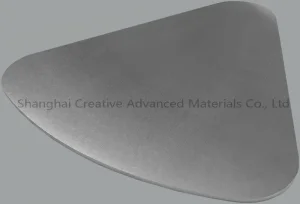
Boron Carbide is a synthetic material with a hardness second only to diamond. It is utilized in industrial applications including personal armor protection, tank and vehicle shielding, nuclear industry neutron absorption materials, and semiconductor abrasive grinding powders.
Read more 02
02
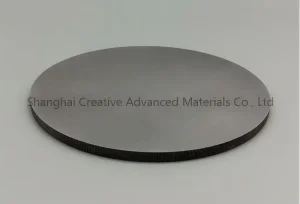
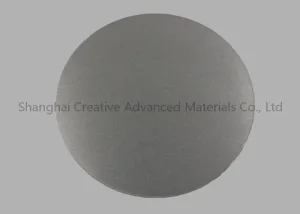
Silicon Carbide is a crystalline compound of silicon and carbon. It is primarily used for precision ceramic components in the semiconductor, solar energy, and LED sectors, as well as in refractory materials, abrasive industries, and vehicle armor systems.
Read more 03
03
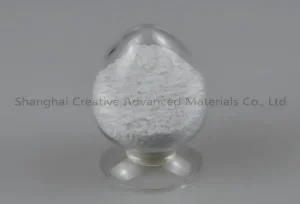
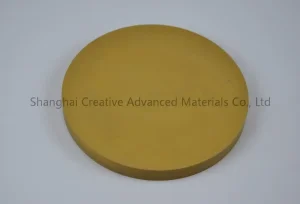
Alumina ceramics are used for precision structural parts in high-temperature semiconductor processing, wear-resistant industrial piping, electrical insulation, chemical processing vessels, and ballistic protection elements.
Read more 04
04
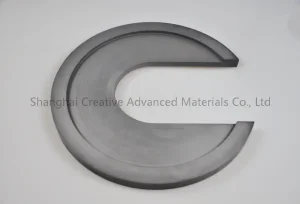
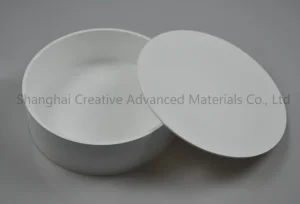
Boron Nitride exhibits high temperature stability and chemical corrosion resistance, remaining inert in the presence of mineral acids and water. It is utilized in machining inserts, heat sinks, high-voltage insulators, and rocket engine nozzles.
Read moreOur quality control processes monitor raw powder preparation through final diamond grinding and cleanroom packaging.
We analyze the purity, average particle size, and chemical composition stability of incoming alumina and titania powders to maintain consistent batch formulations.
Slurry concentration, binder addition, and mixing uniformity are monitored, while equipment is maintained to achieve consistent green-body density.
We utilize automated dry pressing and cold isostatic pressing (CIP) to compact powders into uniform green bodies, reducing internal defects before sintering.
We utilize hot-pressing, pressureless, and reaction sintering methods, managing heating profiles to form the stabilized Aluminium Titanate phase.
Sintered components are finished using diamond grinding wheels and high-precision CNC equipment to meet narrow dimensional tolerances.
Finished parts undergo coordinate measuring machine (CMM) dimensional checks, ultrasonic defect detection, density measurement, and phase stability validation.
Our semiconductor cleaning line and dust-free packaging workspace ensure parts are free of contaminants and securely packaged for transit.
With established logistics partnerships and export documentation systems, we coordinate global delivery to customer facilities.
Important factors to evaluate when qualifying an Aluminium Titanate supplier.
Procurement teams sourcing technical ceramic components for metallurgical or high-temperature processing systems should evaluate several key specifications to ensure long-term performance:
Technical insights regarding Aluminium Titanate chemistry, application limits, and manufacturing options.
Complete material catalog including target designs and alloy formulations for industrial coating processes.
Latest insights on manufacturing techniques, sintering innovations, and target material applications.
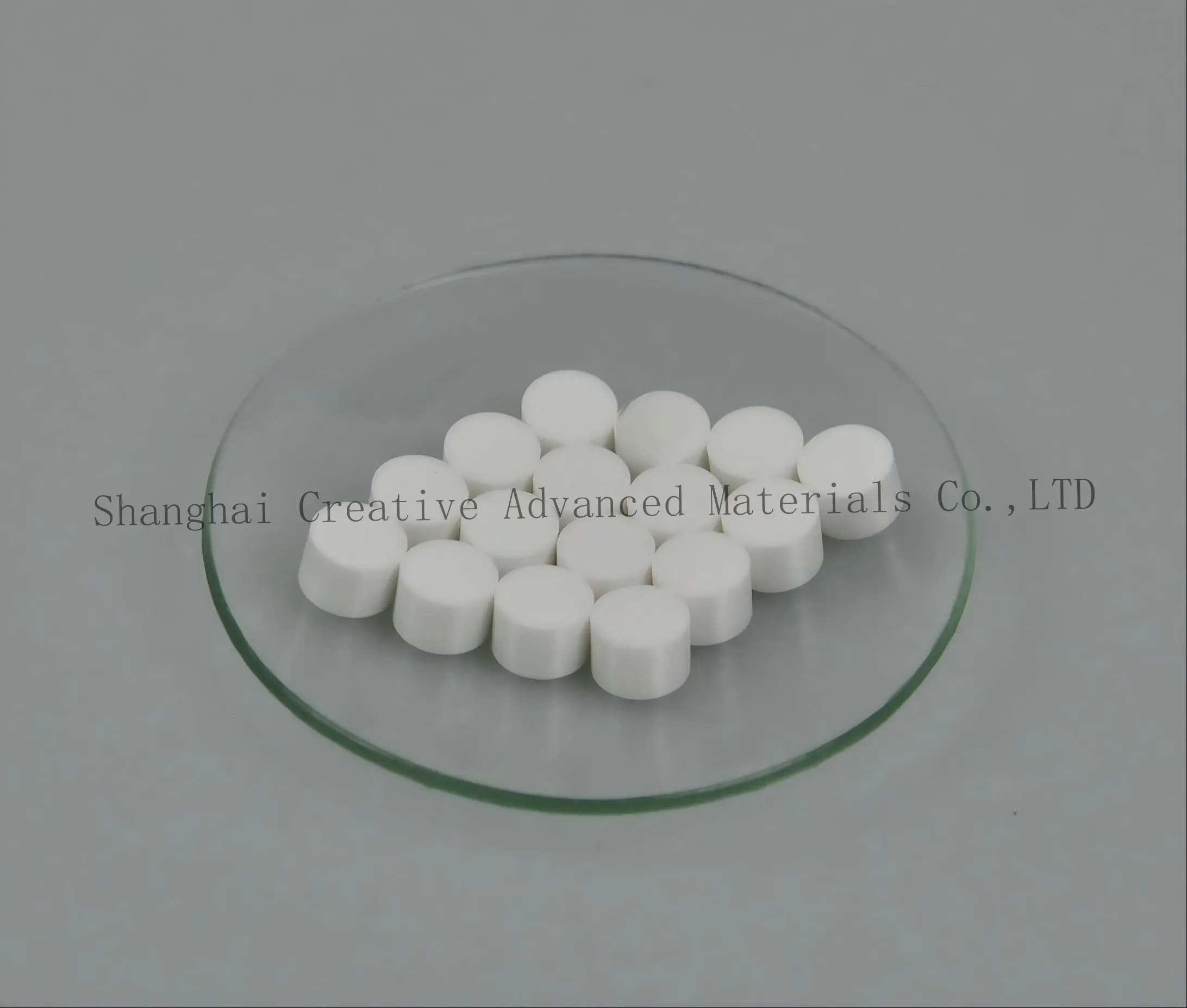
Localized sintering technologies drive upgraded zirconia ceramic industry in China, enabling higher thermal stability and processing efficiencies.
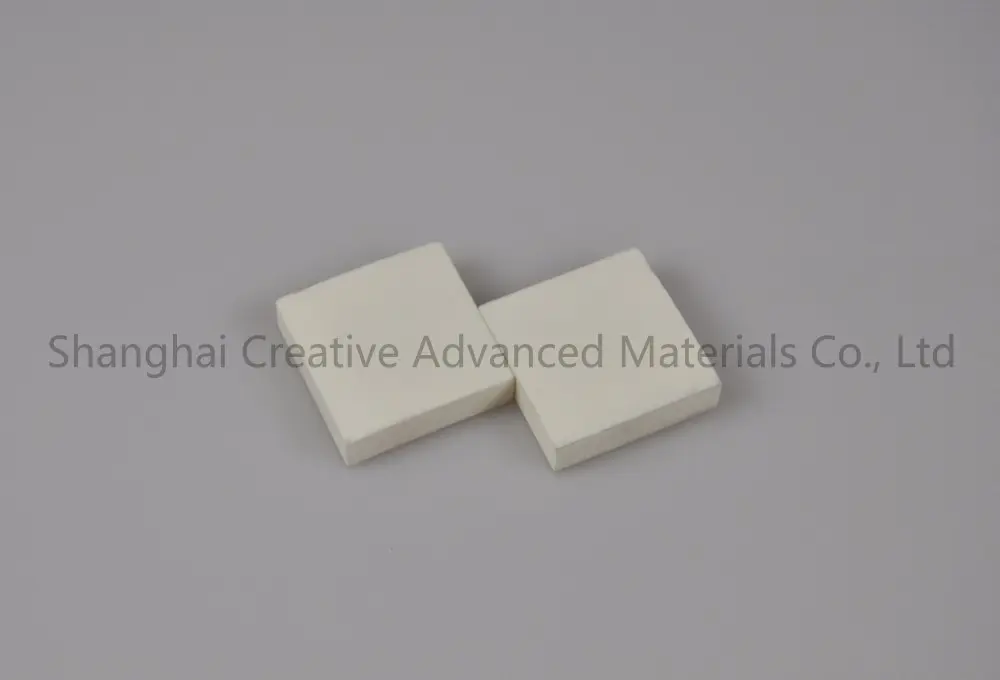
Analyzing changes in heating patterns and atmospheric controls during sintering to achieve microstructural consistency across ceramic targets.
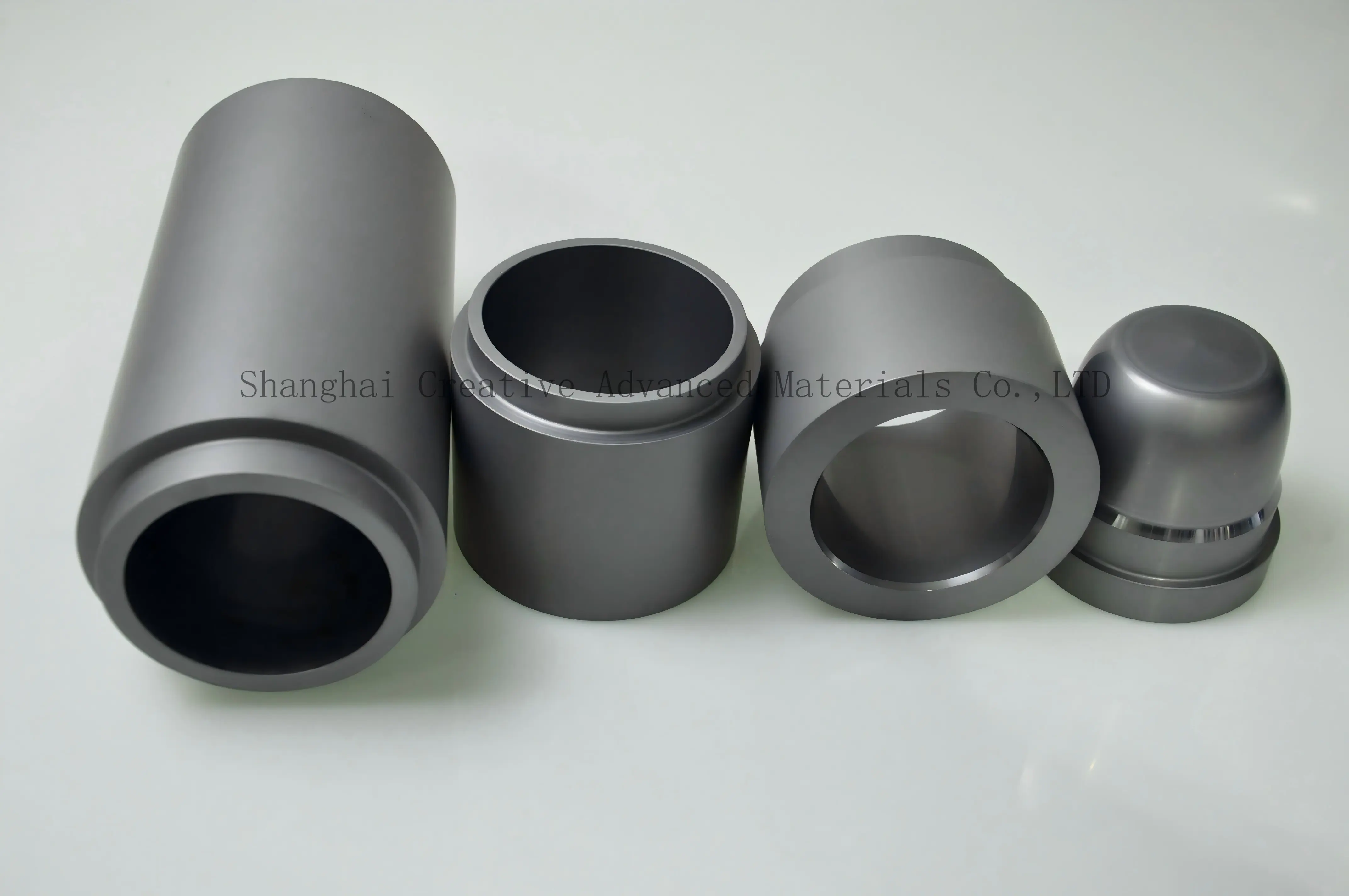
Reviewing how pressureless sintering enables complex shape profiling and reduces post-sinter grinding requirements for Silicon Carbide parts.