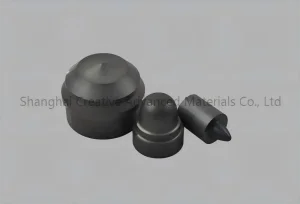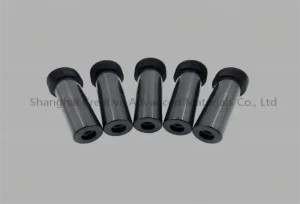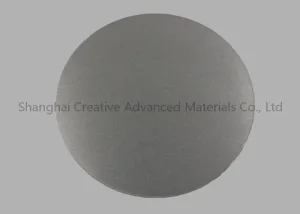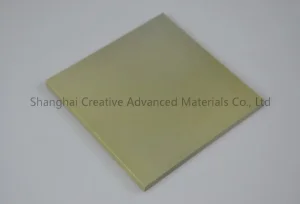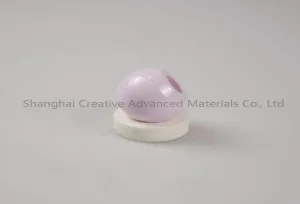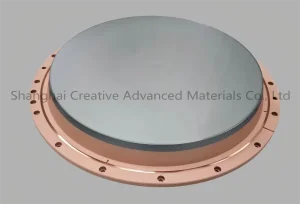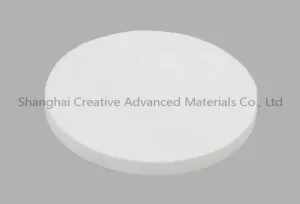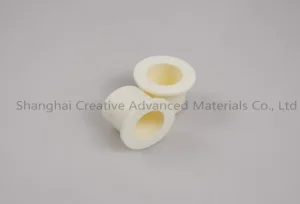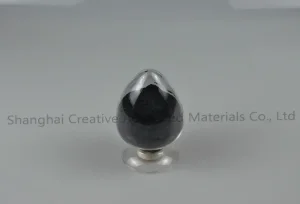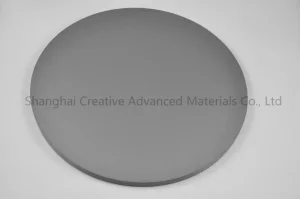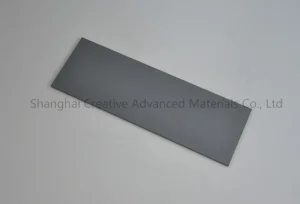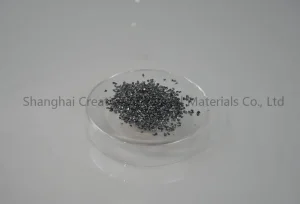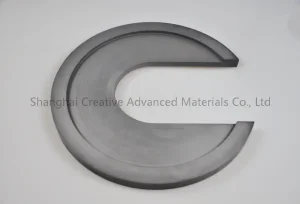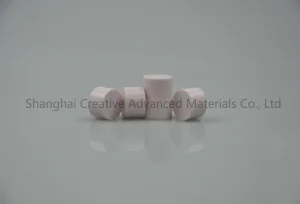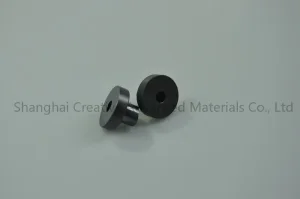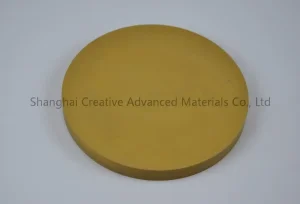
Direct supply from state-of-the-art sintering facilities ensuring superior mechanical and thermal resistance.
Alumina silica materials represent the backbone of advanced thermodynamics. Often synthesized in varying molecular ratios, these binary systems range from low-density aluminosilicate refractory fibers to high-purity crystalline Mullite ($3\text{Al}_2\text{O}_3 \cdot 2\text{SiO}_2$). Our manufacturing process strictly controls the phase boundary evolution between corundum, mullite, and amorphous silica phases to guarantee optimal thermal expansion compatibility.
At high temperatures (above 1400°C), thermal shock resistance depends heavily on the grain structure distribution. By utilizing pressureless sintering and reactive gas-phase consolidation, Shanghai Creative Advanced Materials Co., Ltd. develops alumina-silica mixtures that minimize micro-cracking under rapid temperature fluctuations. This engineering precision provides critical durability in extreme environments like metallurgy lining and thin-film PVD sputtering applications.

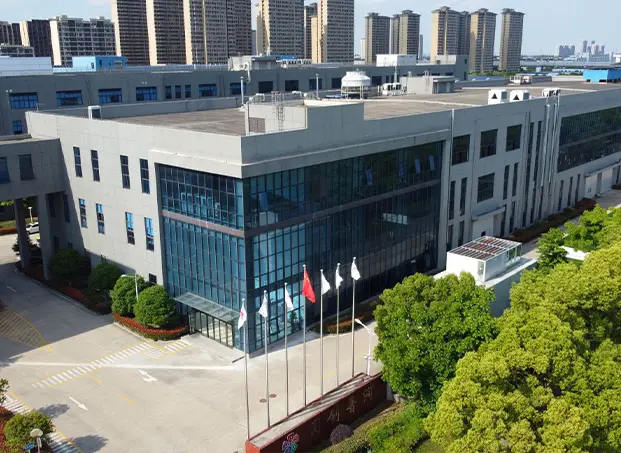
Established in the Shanghai Industrial Comprehensive Development Zone, Shanghai Creative Advanced Materials Co., Ltd. (SCA) is a premier high-tech pioneer integrating R&D, advanced fabrication, and global logistics of advanced ceramic materials. Our focus spans high-purity semiconductor targets, powder metallurgy systems, precision ceramic components, and specialized polymer structures.
Through almost two decades of iteration, SCA has constructed a vertically integrated supply system capable of tailoring chemical compositions (purity up to 99.999%), microstructural properties, and geometric shapes to meet the rigorous operational standards of global technology leaders.
Explore Our JourneyDeveloping synthetic ceramic systems to withstand high mechanical wear, thermal fluctuations, and abrasive chemicals.
Boron Carbide (B₄C) is one of the hardest materials synthesized artificially on the Earth, hardness is second only to diamond. It is used in a variety of industrial applications including individual soldier protection, armor of tanks, helicopters, armored personnel carriers, neutron absorption materials in the nuclear industry, grinding materials in semiconductors, solar energy fields, and sandblasting nozzles.
Silicon Carbide (SiC) is a very hard, synthetic crystalline compound of Silicon and Carbon. It is mainly used for precision ceramic components in semiconductor, solar energy, LED, and other fields, as well as raw materials for refractory materials, grinding materials, and metallurgical industries. It can also be applied to armor protections.
Alumina (Al₂O₃) is a versatile ceramic material mainly composed of Alumina (Al₂O₃), primarily used in precision ceramic components in semiconductors, solar energy, LEDs, and metallurgical industries, providing electrical insulation and temperature durability.
Boron Nitride (BN) has exceptional chemical corrosion resistance and cannot be corroded by inorganic acids and water. It is a high-temperature resistant and superhard material used in cutting tools, aircraft engine nozzles, and heat dissipation assemblies.
Maximizing yield rates, reducing transit delays, and offering cost-efficient bulk custom synthesis.
Our facility in the Shanghai Comprehensive Development Zone enjoys direct access to high-purity silicon dioxide and bauxite inputs. The regional integration reduces raw material transit costs, which we pass directly to our wholesale partners as significant cost savings.
Equipped with high-performance sintering furnaces (vacuum hot-pressing, reaction sintering, and pressureless gas-phase setups), we achieve exceptionally uniform density profiles and control structural grain boundaries with high precision.
Our tracking architecture catalogs every batch from the input mineral phase to the finished ceramic target. Using systematic laser-etched serial numbers, clients can query inspection files detailing purity, surface roughness, and densification.
Exceeding typical wholesale expectations through specialized engineering and optimized logistics.

Our unparalleled commitment to quality orientation, continuous improvement, and customer satisfaction enables SCA to be the partner of choice for ceramic development. We provide full record traceability from raw materials to final products. Serial numbers are given to every single unit, and many of our custom material processes have been patented globally.

With reliable raw material access and optimized production, our components are trusted by domestic and foreign customers. We understand that saving time is critical for industrial lines. We are committed to efficient manufacturing and dispatch protocols, ensuring every batch arrives safely and promptly.

We customize advanced solution layouts utilizing the unique chemical and thermal properties of ceramic formulations. Based on a wide portfolio of material combinations, SCA supports tailored sizing, specialized grain configurations, and hybrid ceramic-to-metal bonding assemblies to meet complex conditions.

SCA is dedicated to supporting the global semiconductor and industrial engineering sectors. With advanced production machinery, rigorous clean-room packaging, and persistent technical assistance, we have earned the trust of research centers and mass manufacturers worldwide.
A step-by-step review of our advanced ceramic manufacturing and quality control standards.

We strictly verify input purity, crystal structure distribution, and chemical consistency to guarantee absolute baseline stability prior to thermal processing.

We regulate the viscosity and structural dispersion of the raw slurry, regularly sanitizing our drying atomizers to guarantee uniform grain size distributions.

High-pressure mechanical presses compaction yields green bodies of uniform bulk density, preventing internal voids and stress gradients.

SCA uses vacuum hot-pressing, reaction sintering, pressureless consolidation, and isostatic pressing to achieve dense bonding across all compositions.

Precision grinding using diamond tools ensures tight dimensional tolerances and keeps surface finish specifications within micron levels.

Every component undergoes strict CMM inspection, ultrasonic defect detection, density measurement, and purity analysis before approval.

Clean-room washing removes micro-particles, and double-layered vacuum packing prevents contaminant exposure during transit.

Our global freight partners and specialized export packaging secure clean, unbroken material delivery across international ports.
Modern engineering teams require ceramic suppliers to demonstrate absolute chemical consistency. As industrial processes shift toward extreme thermal loading, variations of even 0.1wt% in silica glass matrix phases can lead to premature failure. Wholesale purchasers prioritize manufacturers who can verify stable chemical boundaries through ICP-OES and X-ray diffraction (XRD) mapping.
SCA meets these high-purity specifications by utilizing synthetic raw inputs instead of natural clay minerals. This process eliminates trace iron, titanium, and alkali metal impurities, ensuring our products exhibit reliable dielectric strengths and low thermal loss factors.
Navigating cross-border customs regulations requires strict documentation. Our manufacturing processes fully comply with REACH and RoHS initiatives, ensuring zero hazardous contaminants exist within our products. For semiconductor applications, our facilities follow ISO 9001 and ISO 14001 guidelines, maintaining environmental standards alongside structural quality.
To support clients in Europe, North America, and Southeast Asia, SCA provides detailed material safety data sheets (MSDS) and certificate of analysis (COA) documents with every shipment, accelerating import clearances and ensuring smooth production integration.
The operational versatility of alumina-silica ceramics makes them essential across multiple industries:
The modern ceramic industry is shifting toward sub-micron grain sizing and additive tooling. Precision components must endure longer exposure cycles with less micro-cracking and shedding. By focusing R&D on micro-dispersion techniques, SCA is refining mullite-based structures to provide higher fracture toughness and lower thermal conductivity, helping support green decarbonization efforts in heavy industrial furnaces.
Expert answers addressing the microstructural and chemical properties of alumina silica ceramic components.
The maximum continuous use temperature depends on the phase ratio. High-purity Mullite compositions operate reliably up to 1700°C (3092°F). High-alumina mixtures can withstand peak exposures of 1800°C, provided structural loading and gas-chemical contact limits are respected.
Alumina-silica (especially mullite-phase ceramics) exhibits a lower thermal expansion coefficient ($4.5 \times 10^{-6}/\text{K}$ compared to $8.0 \times 10^{-6}/\text{K}$ for pure alumina). This lower thermal expansion provides superior thermal shock resistance, preventing micro-cracks under rapid thermal cycling.
Every batch of raw powder undergoes ICP-OES and XRD analysis. Our sintering stages utilize dedicated, clean-room environments to prevent cross-contamination from transition metals, keeping alkali metal concentrations (Na, K, Ca) under 100 ppm.
Yes. Utilizing CNC grinding systems, diamond cutting tools, and ultrasonic drilling, we achieve geometric tolerances as tight as ±0.005 mm and maintain surface roughness ($R_a$) levels down to 0.2 microns, depending on component shape.
Absolutely. All materials produced by Shanghai Creative Advanced Materials Co., Ltd. are certified free of restricted elements, aligning with environmental regulations globally and facilitating import compliance.
Standard custom tooling and sintering cycles average 4 to 6 weeks. This timeline includes molding adjustments, spray drying, isostatic compaction, high-temperature sintering, clean-room grinding, quality testing, and final secure shipping.
Gain insights from our latest engineering research, materials testing, and processing breakthroughs.
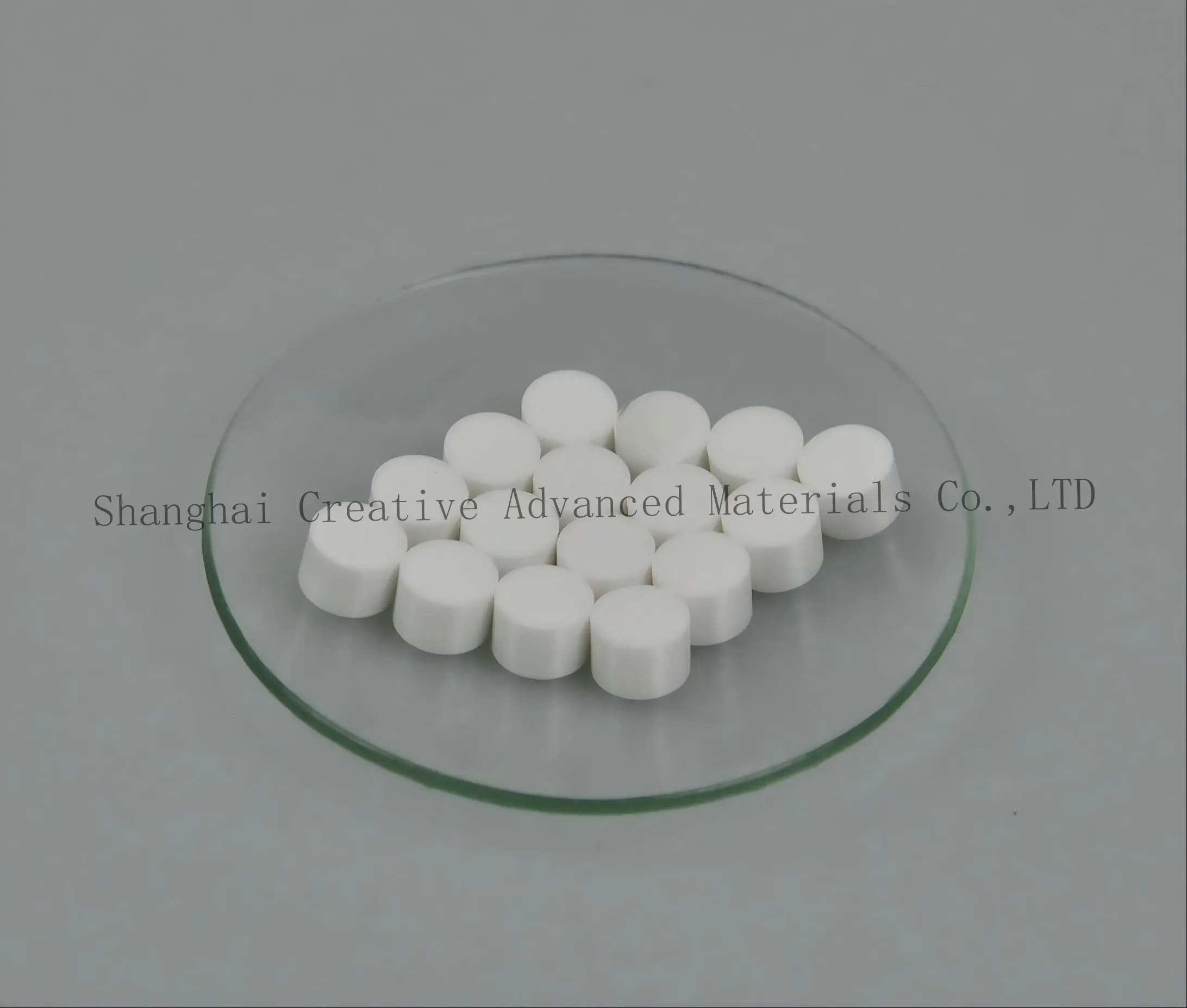
Localized sintering technologies drive upgraded zirconia ceramic industry in China, improving wear limits and phase stability.
Read Article →
Examining high-temperature solid phase diffusion behaviors during pressureless and hot-press sintering configurations.
Read Article →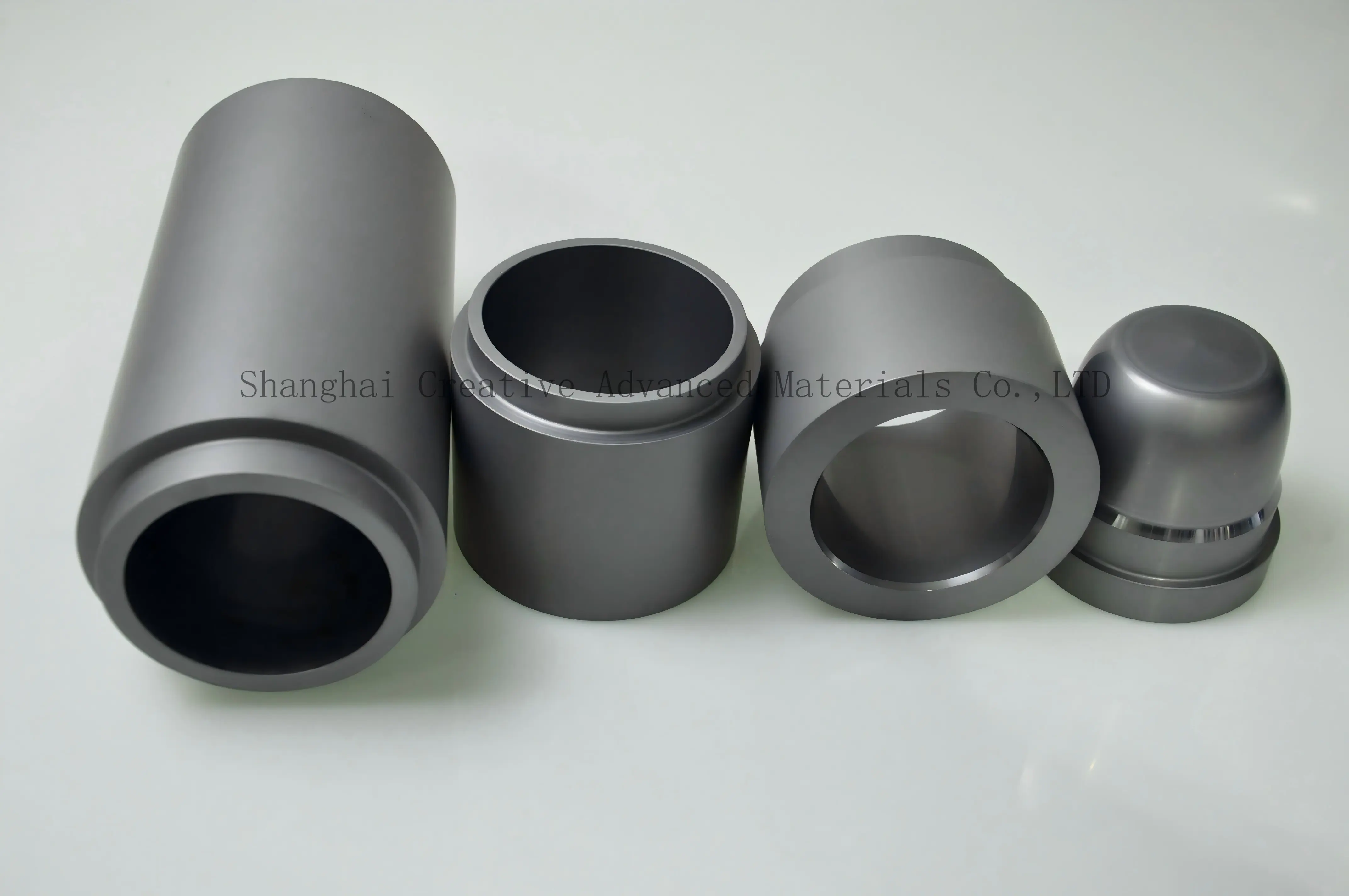
Analyzing structural density improvements and mechanical stress minimization in non-pressurized kiln processing.
Read Article →Dedicated raw materials and targets designed for modern thin-film electronics and industrial research.