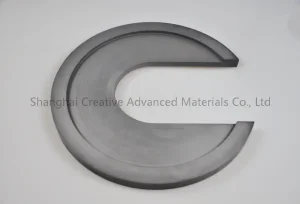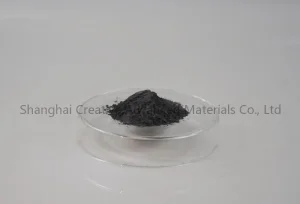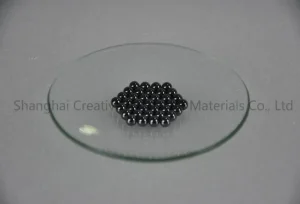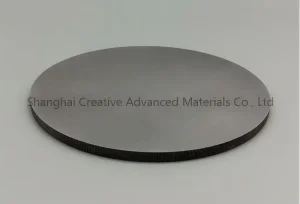
High-purity materials engineered for critical industrial applications
As of 2024, the global market for Steatite Ceramics (Magnesium Silicate) is witnessing a significant resurgence. Traditionally valued for its excellent dielectric strength and low cost, Steatite has transitioned from simple lamp sockets to critical components in the 5G infrastructure and EV power electronics. In the global landscape, China stands as the primary hub for both raw material processing and advanced sintering technology.
Steatite ceramics are essentially composed of talc [Mg3Si4O10(OH)2] with additions of clay and fluxing agents. Its primary advantage in the industrial sector is its low dielectric loss factor even at high frequencies, making it the material of choice for broadcasting equipment and telecommunications. Unlike Alumina, Steatite can be machined and formed with lower energy consumption, providing a sustainable and cost-effective alternative for complex insulating geometries.
The shift towards "Information Gain" in SEO also reflects the industry's demand: buyers no longer seek just "suppliers" but "technical partners" who understand the nuances of shrinkage control, thermal expansion coefficients, and surface metallization capabilities. Shanghai Creative Advanced Materials (SCA) addresses this by providing deep transparency into our material science labs.
Established in Shanghai Industrial Comprehensive Development Zone, we are a high-tech company integrating research, development, production, and sales. We specialize in semiconductor ceramic targets, powder metallurgy targets, and advanced ceramic components.
Our expertise spans advanced ceramic materials, polymer products, and neutron absorption materials for the nuclear industry. With a commitment to E-E-A-T principles, we ensure our global clients receive only the most reliable and authoritative material solutions.
Located near the world's largest talc reserves, our China factory ensures a stable supply of ultra-fine magnesium silicate, insulating your projects from global price fluctuations.
From spray granulation to precision CNC machining and metallization, all processes are housed under one roof in Shanghai, reducing lead times by 30% compared to fragmented supply chains.
Our proximity to the Port of Shanghai—the world's busiest container port—allows for rapid global deployment and streamlined customs clearance for international partners.
Steatite insulators for antenna arrays, 5G base station resonators, and high-power radio frequency connectors where dielectric loss must be minimized.
Insulating spacers and supports for electric vehicle charging modules and high-voltage fuse bodies, offering superior resistance to electrical tracking.
Precision-formed heating element supports and thermostat bases for modern household appliances, ensuring fire safety and longevity.
Stringent quality protocols at every stage
Purity and particle size control for ultra-stable chemical composition.
Automated slurry monitoring to ensure powder density and flowability.
Cold pressing and isostatic pressing for uniform structural density.
Hot-pressing and pressureless methods to achieve zero porosity.
Imported high-precision equipment for micron-level tolerances.
Comprehensive size and ceramic performance testing (hardness, dielectric).
Dust-free workshop packaging to prevent particulate contamination.
Integrated export qualifications and global shipping partnerships.
Our Steatite products are fully compliant with RoHS and REACH regulations, ensuring seamless integration into European and North American markets. We provide full Material Data Sheets (MDS) and Certificates of Conformance (CoC) with every shipment.
SCA offers 24/7 technical consulting for global engineers. Whether it is adjusting the thermal expansion coefficient for a specific glass-to-ceramic seal or providing custom metallization layers (Mo-Mn, Ni, Au), our team provides real-time design-for-manufacturability (DFM) feedback.
Q: Why choose Steatite over Alumina for high-frequency applications?
A: Steatite has a lower dielectric loss factor (tan δ) at high frequencies compared to Alumina, making it more efficient for RF insulation. It is also more cost-effective for applications where the extreme mechanical strength of Alumina isn't required.
Q: What are the maximum operating temperatures for Steatite ceramics?
A: Steatite can withstand continuous operating temperatures up to 1000°C - 1100°C, depending on the specific grade and load. For higher temperatures, we recommend our specialized Alumina or Boron Nitride solutions.
Q: Can Steatite ceramics be metallized?
A: Yes, SCA provides professional metallization services including molybdenum-manganese (Mo-Mn) coating and subsequent nickel or gold plating to facilitate brazing to metal components.
Q: What is the typical lead time for custom Steatite components from China?
A: For standard geometries, prototypes can be delivered in 2-3 weeks. Mass production orders typically range from 4-6 weeks, including shipping time from Shanghai Port.
Explore our full range of advanced industrial materials
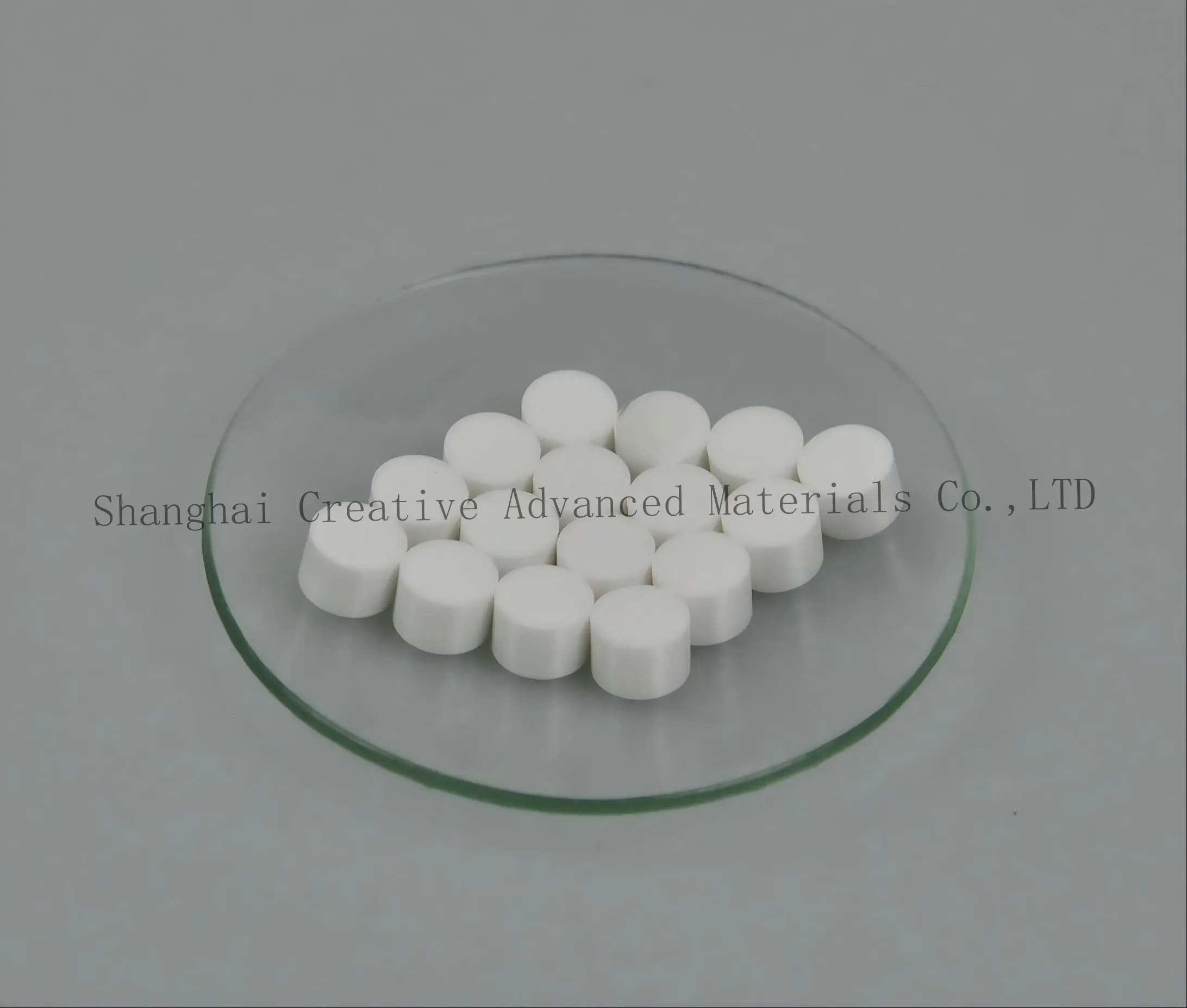
Exploring localized sintering technologies driving industry growth.
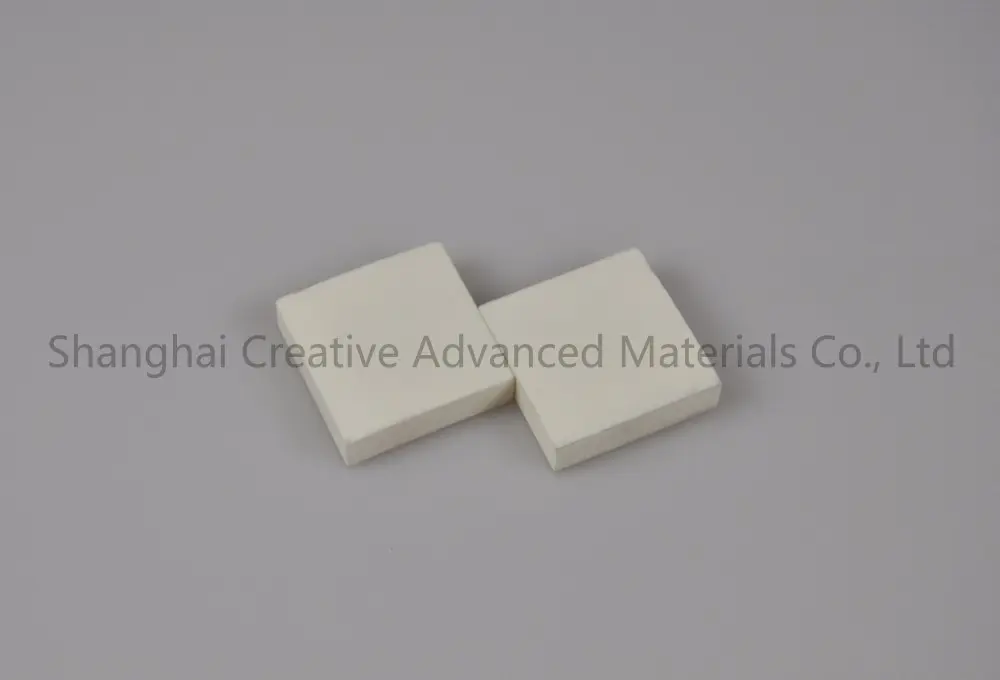
New breakthroughs in powder metallurgy and target manufacturing.
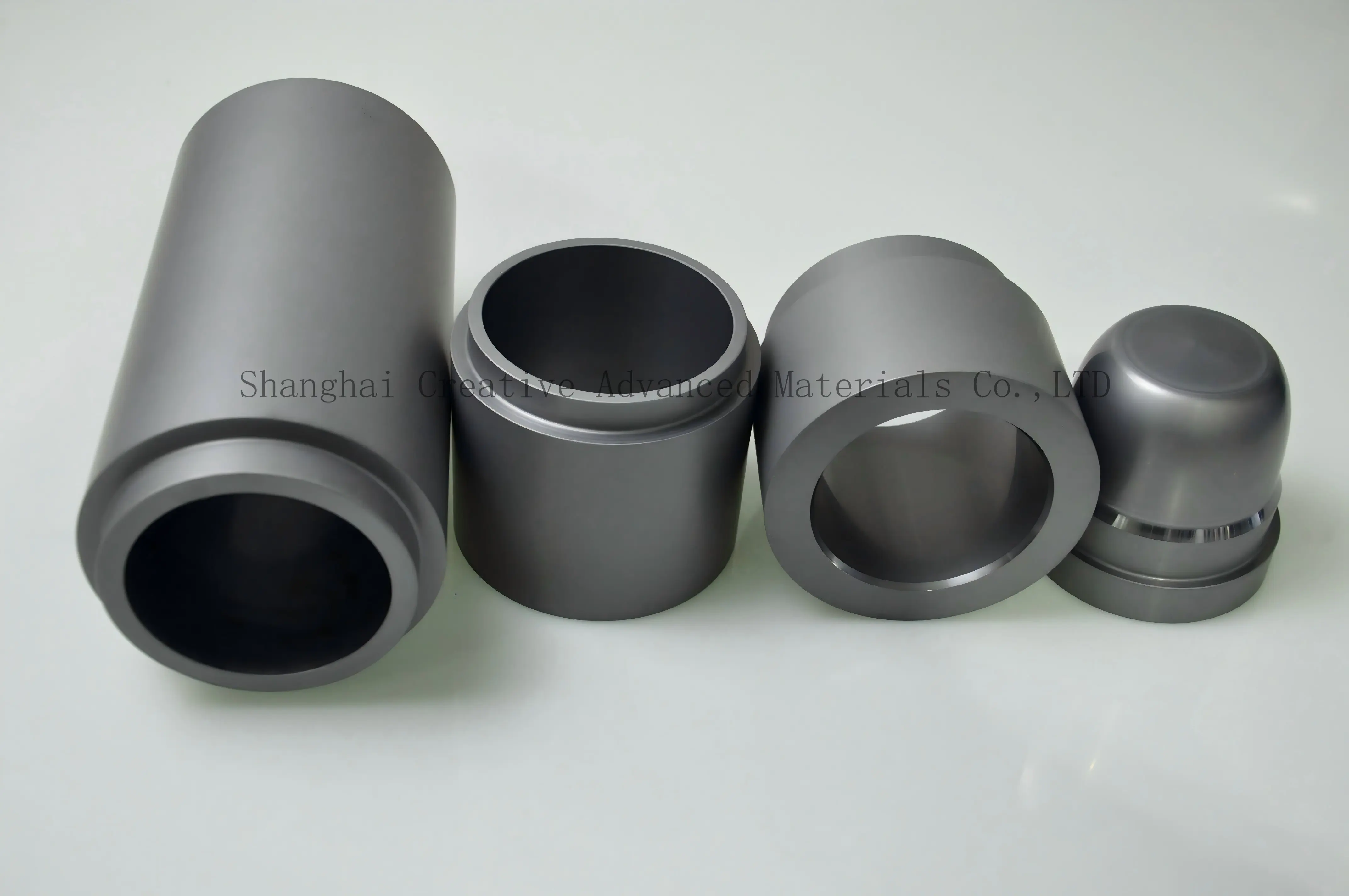
How pressureless techniques enhance ceramic density and performance.