Explore our precision-engineered high-purity targets, powders, and advanced structural ceramic solutions.
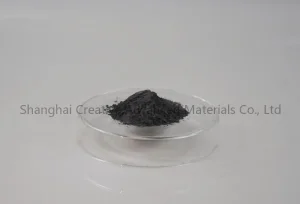
An engineering analysis of material variants, high-temperature physical properties, and advanced sintering dynamics establishing Chinese OEM leadership in advanced technical ceramics.
Silicon Carbide (SiC) tubes represent the gold standard in severe-service industrial thermal management, semiconductor wafer handling, and corrosive chemical processes. Understanding the microstructural differences between Pressureless Sintered Silicon Carbide (SSiC), Reaction Bonded Silicon Carbide (RBSiC / SiSiC), and Recrystallized Silicon Carbide (RSiC) is fundamental for procurement engineering optimization.
SSiC is fabricated by sintering ultrafine sub-micron alpha-SiC powder with non-oxide sintering aids (such as Boron and Carbon) at temperatures ranging between 2000°C and 2200°C in an inert argon atmosphere. This produces a single-phase, ultra-dense structure (>3.12 g/cm³) devoid of free silicon metal, granting unparalleled chemical immunity to hydrofluoric (HF) acid, hot nitric solutions, and strong alkali vapors.
RBSiC, conversely, is produced via liquid silicon infiltration of a compact carbon/SiC green body at 1450°C–1600°C. While maintaining approximately 8–15% free elemental silicon within its matrix, RBSiC exhibits zero dimensional shrinkage during reaction firing. This permits China's top tier factories to produce massive structural tubes—exceeding 450mm outer diameter and 3500mm in length—with extreme geometric stability and high flexural strength.
Silicon carbide ceramic tubes exhibit an exceptional combination of physical attributes that outclass traditional quartz, metallic alloys, and alumina refractory materials under extreme thermomechanical stress.
With a Mohs hardness of 9.2 to 9.5 (vying closely with boron carbide and diamond), SiC tubes provide complete immunity to mechanical abrasion from high-velocity particulates, slumping during thermal cycling, and chemical degradation up to 1650°C in continuous operation.
| Material Property | Sintered SiC (SSiC) | Reaction-Bonded (RBSiC) | Recrystallized (RSiC) | High Purity Alumina (99.8%) |
|---|---|---|---|---|
| Density (g/cm³) | ≥ 3.12 | ≥ 3.02 | 2.70 – 2.85 | 3.92 |
| Max Operating Temp (°C) | 1600 (Inert: 2000) | 1380 | 1650 | 1700 |
| Flexural Strength (MPa) | 420 – 480 | 250 – 330 | 140 – 180 | 320 |
| Thermal Conductivity (W/m·K) | 110 – 130 | 150 – 200 | 80 – 100 | 28 – 32 |
| Acid/Alkali Corrosion Immunity | Exceptional (Extreme) | Moderate (Free Si vulnerable) | High | Moderate |
| Max Dimension Scalability | Medium (Up to 2500mm) | Extreme (Up to 4000mm) | High (Up to 3000mm) | Medium |
Deep dive into critical global industries relying on engineered silicon carbide tubular components manufactured in Chinese advanced material clusters.
In 300mm wafer fabrication, SSiC process tubes serve as critical chamber liners, vertical LPCVD process tubes, PECVD diffusion tubes, and furnace liners. Ultra-purity SSiC tubes (>99.99% purity grade) eliminate trace metallic contamination (Fe, Ni, Cu < 0.1 ppm) during thermal oxidation, boron diffusion, and annealing steps at temperatures exceeding 1200°C.
China's PV solar dominance relies on ultra-large diameter SiC process tubes for TOPCon and Heterojunction (HJT) solar wafer cell diffusion furnaces. SiC tubes replace traditional quartz tubes due to zero deformation, resistance to fluoride etching during inline gas cleaning, and a service lifespan exceeding 5 years (vs. 6 months for quartz).
In aggressive chemical plants processing concentrated sulfuric, hydrochloric, or hydrofluoric acid streams, SSiC shell-and-tube heat exchangers represent the supreme corrosion barrier. SiC ceramic heat exchanger tubes offer thermal conductivity surpassing Hastelloy C-276 and Tantalum while surviving pH levels from 0 to 14.
Industrial kilns, steel annealing lines, and non-ferrous melting furnaces utilize RBSiC radiant burner inner and outer tubes. Operating up to 1380°C under flame impingement, these tubes deliver rapid thermal transport, reduced natural gas consumption by 15-22%, and complete resistance to localized thermal cracking.
In molten aluminum, brass, glass manufacturing, and municipal waste incinerators, SiC outer protection sleeves safeguard delicate noble metal thermocouples (Type R, S, B) against physical impact, abrasive slag, and molten metal erosion.
Coal-fired power utilities and industrial boilers use heavy-wall RBSiC vortex tubes and spray nozzle assemblies to withstand high-velocity abrasive limestone slurry in flue gas desulfurization (FGD) scrubbers.
How end-to-end industrial supply chain integration, raw material sovereignty, and continuous precision engineering investment position Chinese factories as global market leaders.
China controls over 70% of global synthetic silicon carbide powder refining capacity. Advanced regional clusters in Shanghai, Jiangsu, and Shandong allow domestic factories to directly source sub-micron alpha-phase SiC powders with controlled particle size distribution ($D_{50} = 0.5 - 0.8 \, \mu m$) and ultra-high chemical purity. This raw material sovereignty guarantees price stability, low lead times, and uncompromised powder consistency prior to green-body molding.
Modern Chinese SiC factories utilize Cold Isostatic Pressing (CIP) at pressure levels reaching 200–250 MPa. CIP compaction eliminates internal density gradients, ensuring uniform dimensional shrinkage during vacuum sintering. Post-sintering precision diamond grinding and multi-axis CNC machining achieve outer diameter tolerances within ±0.005mm, surface roughness down to $Ra \le 0.2 \, \mu m$, and straightness within 0.1mm per meter.
Leading suppliers like Shanghai Creative Advanced Materials Co., Ltd. (SCA) enforce 100% full-process traceability. Every batch of silicon carbide tubes receives a unique serial number, mapped to raw material lot numbers, cold press pressure curves, high-temperature sintering atmosphere logs, and CMM dimension inspection reports.
By leveraging automated production lines, efficient energy management during sintering, and skilled engineering teams, Chinese manufacturers deliver premium high-performance SiC tubes at a 30% to 50% cost reduction compared to European or Japanese counterparts, without sacrificing purity, lifespan, or geometric tolerance.
Strategic market forces shaping the next decade of advanced structural ceramics and ultra-high purity component demand.
As semiconductor fabs standardise on 300mm (12-inch) wafer nodes and photovoltaic cell lines scale to M10/M12 wafer dimensions, the demand for SiC furnace tubes exceeding 400mm outer diameter has grown exponentially. Advanced factories are installing 4500-ton CIP presses and custom high-bay sintering kilns to meet this geometric scaling.
To meet zero-particle generation demands in sub-3nm chip manufacturing, SSiC tubes are increasingly coated with Chemical Vapor Deposition (CVD) high-purity Silicon Carbide or Chemical Vapor Deposited Pyrolytic Carbon. CVD SiC coatings seal residual micro-porosity, providing a mirror-like finish ($Ra < 0.05 \, \mu m$) and absolute chemical isolation.
The global push toward industrial energy efficiency drives the adoption of SiC heat exchangers in hydrogen generation, waste incinerators, and ultra-high-temperature gas turbines. SiC's ability to operate in oxidizing and reducing gas streams up to 1600°C makes it an irreplaceable cornerstone of green transition heat recovery systems.
A premier Chinese high-tech enterprise specializing in semiconductor ceramic targets, powder metallurgy targets, and advanced structural components.
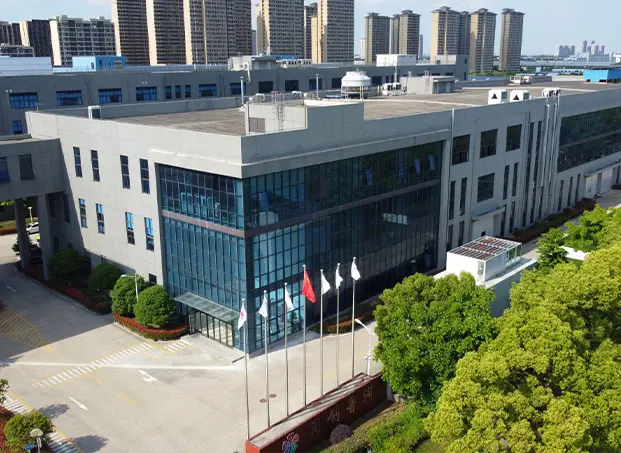
Established in the Shanghai Industrial Comprehensive Development Zone, Shanghai Creative Advanced Materials Co., Ltd. (SCA) integrates research, manufacturing, and global distribution of advanced technical ceramics, powder metallurgy sputtering targets, and neutron absorption materials.
With 19 years of dedicated industry experience, over 100 proprietary core technology patents, and a team of 200+ engineering professionals, SCA serves over 5,000 satisfied enterprise customers globally across semiconductor, photovoltaic, display, aerospace, and nuclear power industries.
Strict verification of chemical purity, sub-micron particle size distribution, and crystalline phase stability.
Monitoring slurry concentration and binder distribution to produce spherical, high-flowability ceramic powders.
Automated CIP molding under 200+ MPa to eliminate density gradients in green ceramic tubes.
Pressureless sintering up to 2200°C or hot pressing to achieve near-theoretical microstructural density.
Diamond grinding, inner/outer honing, and multi-axis CNC machining ensuring sub-micron tolerances.
CMM dimensional checking, helium leak detection, thermal shock validation, and NDT ultrasonic scanning.
Class 100/1000 cleanroom acid washing, ultrapure water rinsing, and vacuum dust-free packaging.
Custom shock-proof wood casing, export customs clearance, and insured global freight delivery.
Key quality assurance metrics, non-destructive testing protocols, and evaluation criteria for B2B sourcing managers.
Silicon carbide ceramics possess high fracture toughness compared to standard glass, but are susceptible to micro-fissures if subjected to improper mechanical shock or internal thermal stresses during cooling.
Reputable Chinese suppliers implement Ultrasonic NDT Flaw Detection across the entire tubular body length to verify zero internal voids or inclusions prior to machining. Furthermore, international sea/air shipments require heavy-duty reinforced wooden crates with customized EPE foam inserts, anti-static moisture barriers, and shock/tilt indicator sensors affixed to the packaging exterior.
Expert technical responses to common engineering queries regarding silicon carbide ceramic tube selection, machining, and operating limits.
Stay informed with updates on material synthesis, independent sintering developments, and advanced ceramic engineering.
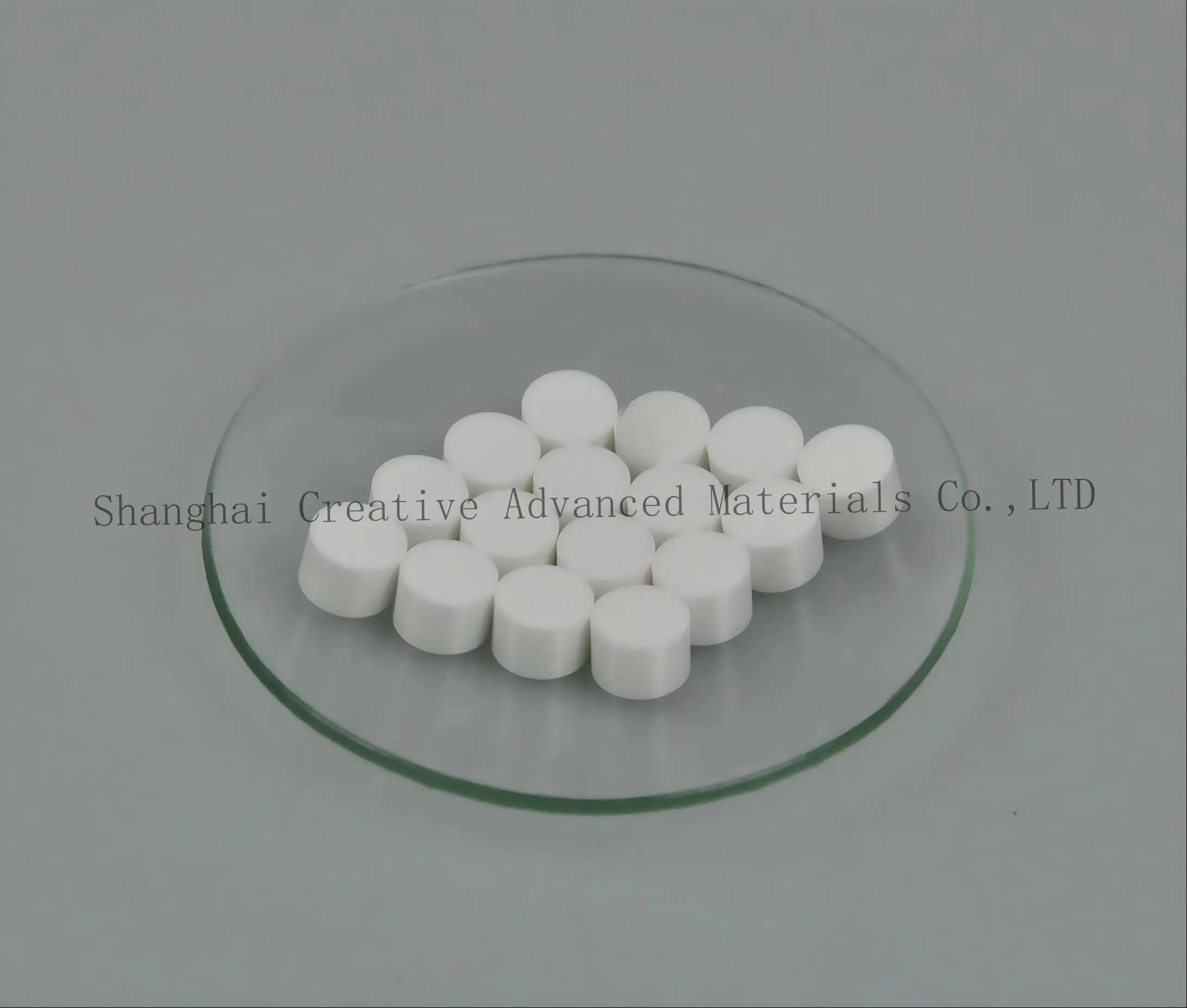
Localized pressureless sintering technologies drive upgraded zirconia and silicon carbide ceramic production pipelines across Chinese manufacturing hubs.
Read Research Article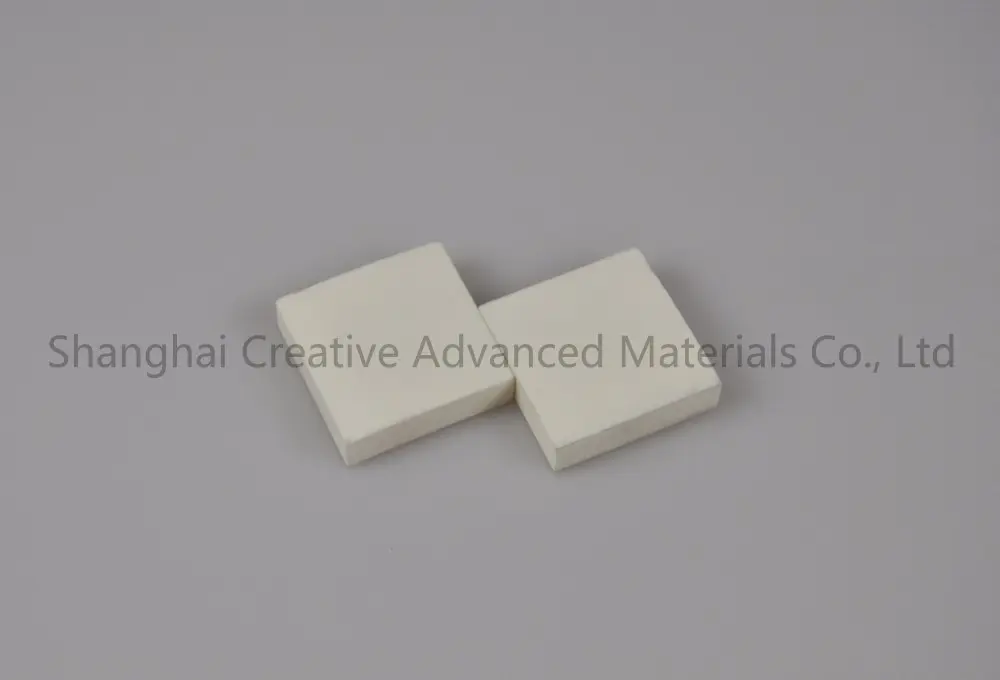
In-depth technical analysis on microstructural grain boundary control during high-temperature hot pressing of SiC and B4C composites.
Read Research Article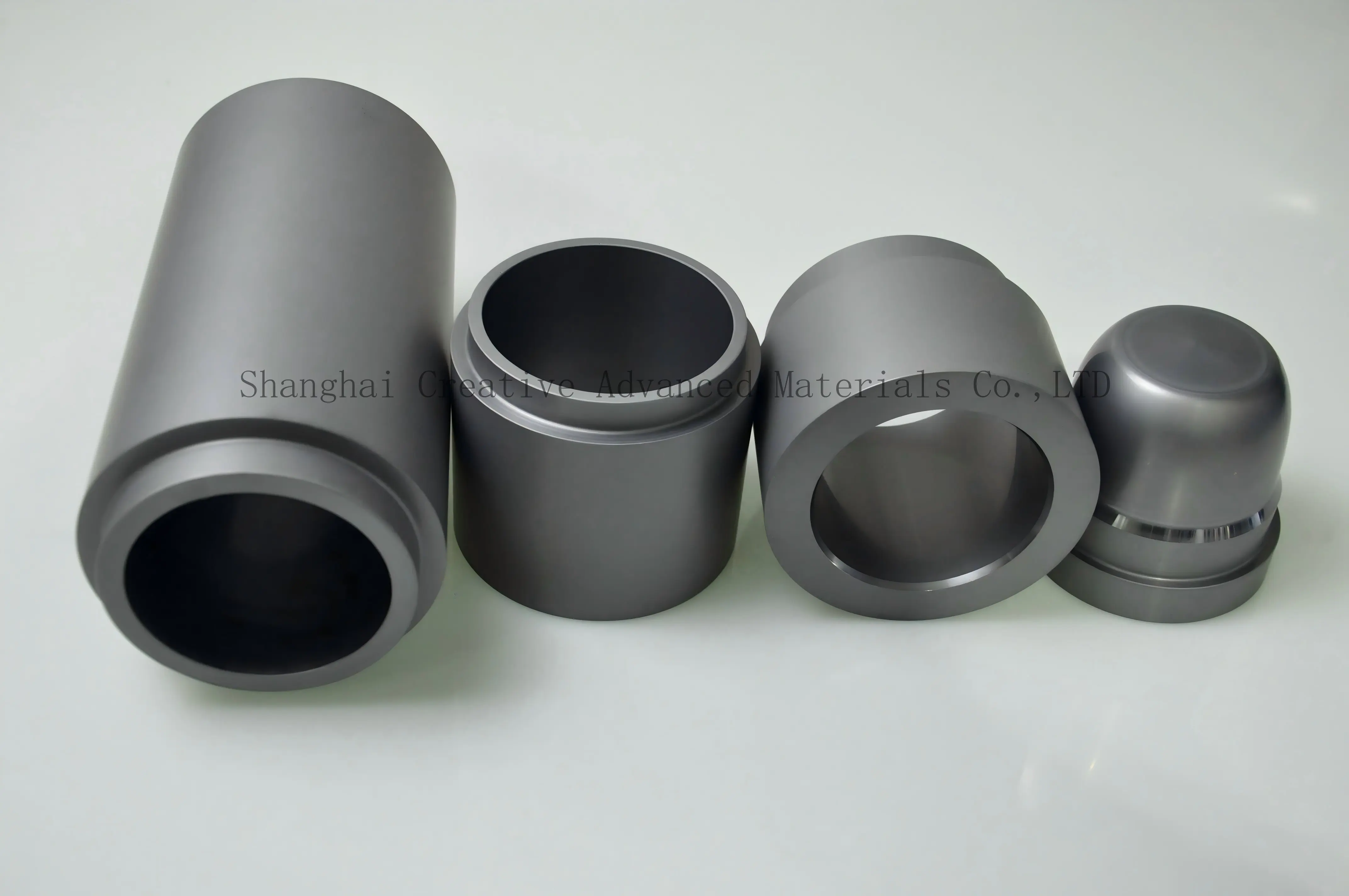
Understanding why pressureless sintering yields optimal corrosion immunity and geometrical freedom for complex industrial tube designs.
Read Research ArticleBrowse our full range of semiconductor sputtering targets, metallized components, and specialized oxide cores.