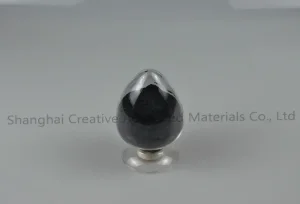
Industrial tribology—the study of friction, wear, and lubrication—demands materials that can survive the most abrasive mechanical environments. In heavy sectors such as mining, power generation, cement, and chemical processing, physical erosion translates directly to downtime and high capital expenditure. Here, traditional alloy steels quickly yield to wear mechanisms, including three-body abrasion and particle impingement.
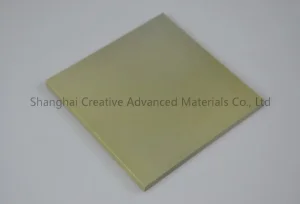
As a leading Wholesale Ceramic Liners Manufacturer and Supplier, Shanghai Creative Advanced Materials Co., Ltd. (SCA) pioneers the utilization of ultra-hard technical ceramics. We configure custom wear solutions using high-purity Alumina (Al₂O₃), Silicon Carbide (SiC), Boron Carbide (B₄C), and Silicon Nitride (Si₃N₄) to construct high-density wear-resistant ceramic tiles and composite linings.
By leveraging molecular crystallographic structures that boast Vickers microhardness ratings exceeding 1000 HV up to 2800 HV, our engineered linings preserve system integrity, eliminate pipeline wear, and lower the Total Cost of Ownership (TCO) across complex bulk material conveying networks.
Advanced ceramics provide significant improvements over wear-resistant metals (such as chromium carbide overlays or manganese steel):
In global extraction centers across Australia, South America, and Africa, massive volumes of highly abrasive slurry are pumped continuously. Conventional polyurethane linings fail rapidly due to localized hydrocyclonic wear. Heavy alumina tiles and reaction-bonded SiC ceramics are now the global standard, ensuring continuous plant uptime and reducing critical pump outages.
Modern clean industries, especially EV battery manufacturing and ultra-fine grinding, prohibit any iron contamination. Using classic metal alloy grinding bodies and lining components triggers product rejects. Our silicon carbide and silicon nitride structural parts act as contamination-free lining barriers to maintain extreme purity in raw material processing.
With precise requirements in chemical vapor deposition (CVD) and physical vapor deposition (PVD) processes, ultra-high purity targets and custom sintered components are paramount. The semiconductor tooling sector relies on exact thermal properties and wear profiles from engineered metallized ceramics to guarantee microchip yield rates.
Shanghai Creative Advanced Materials Co., Ltd.
Shanghai Creative Advanced Materials Co., Ltd. (SCA), situated in the Shanghai Industrial Comprehensive Development Zone, is a premier high-tech enterprise. Our core capabilities span the comprehensive R&D, advanced design, microstructural sintering, and supply-chain logistics of high-tech target materials and ceramic components.
By executing strict quality protocols, our technology reaches across semiconductor processing chambers, aerospace systems, advanced grinding, and neutron absorption configurations for modern nuclear installations.
Over nearly two decades, we have constructed a vertically integrated manufacturing line that controls every parameter from raw powder classification to custom finishing. Our facilities feature cleanroom packaging and advanced mechanical and crystalline analysis equipment to ensure each unit meets or exceeds target standards.
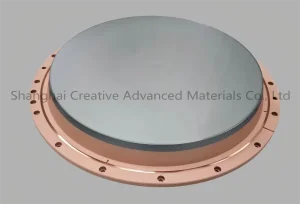
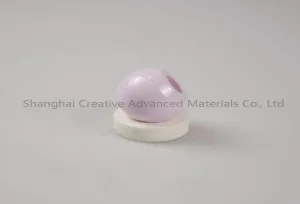
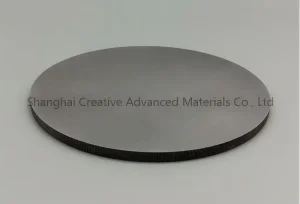
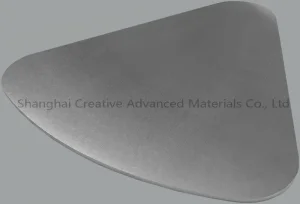
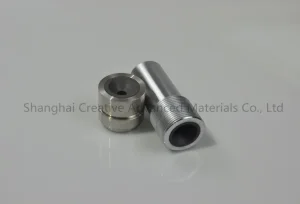
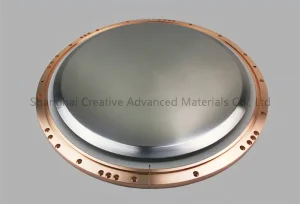
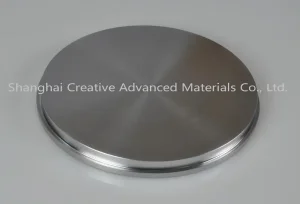
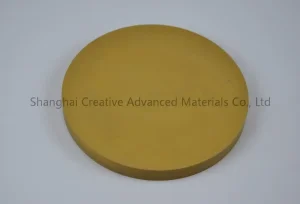
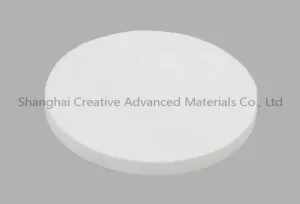
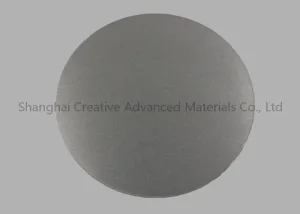
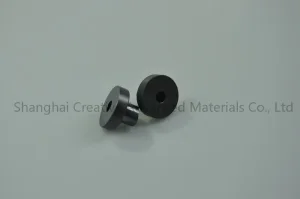
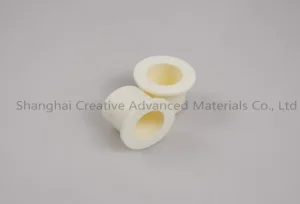
We design advanced solutions with unique combinations of advanced ceramic materials to meet the most demanding application requirements. Explore our primary series:


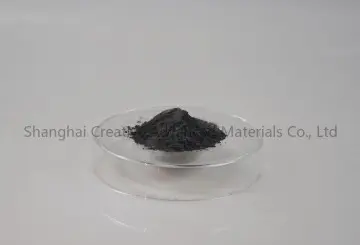
Selecting the optimal ceramic liner demands a detailed understanding of the mechanical, thermal, and chemical environments. The table below represents our core operational material combinations:
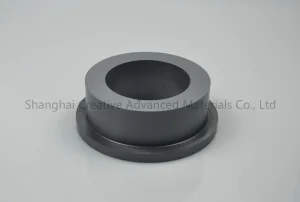
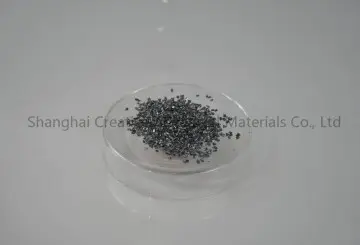
Silicon Carbide (SiC): A synthetic crystalline compound of silicon and carbon. Sintered reaction-bonded or pressureless SiC retains exceptional hardness, chemical resistance, and high thermal conductivity. It is widely used in hydrocyclones, slurry nozzles, and sandblasting sleeves operating in severe thermal shock environments.
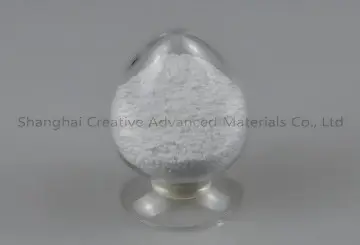
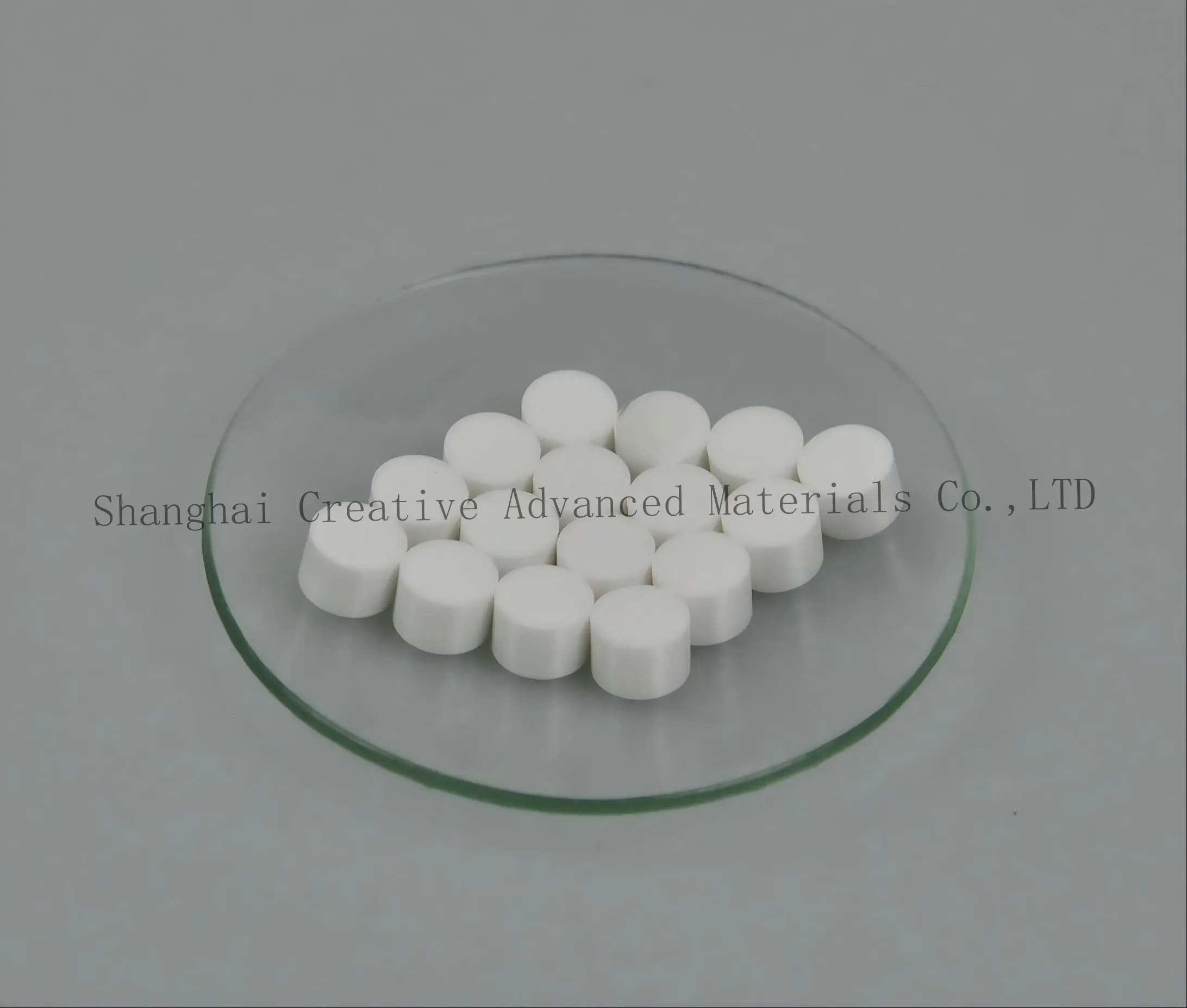
Alumina (Al₂O₃): The most cost-efficient wear-resistant ceramic lining material. With purity grades ranging from 92% to 99.7%, alumina liners offer balanced mechanical strength, high hardness, and chemical resistance. Excellent for pneumatic conveying lines, steel chute liners, and raw material silos.
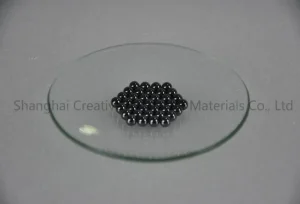
Boron Carbide (B₄C): Commonly known as 'Black Diamond', B₄C is among the hardest synthetic compounds, surpassed only by diamond and cubic boron nitride. It is ideal for high-wear blasting nozzles, nuclear shield linings (neutron absorption), and extreme military vehicle armor plates.
Boron Nitride (BN): Provides unique non-wetting properties, thermal conductivity, and electrical insulation. BN ceramics are resistant to inorganic acids and water and are used as high-temperature insulators and crucible linings for molten metals.
Why engineering leaders partner with SCA for custom ceramic projects
Unparalleled commitment to quality controls, continuous refinement, and client satisfaction. SCA ensures full traceability from chemical analysis of raw powders to the final dimensional validation of finished components. Each unit receives a distinct serial number.
Our optimized sintering cycles and modern machining capabilities reduce lead times. We maintain raw stock materials to rapidly fulfill urgent repair and replacement orders, ensuring minimal disruption to client operations.
We tailor solutions by aligning the unique characteristics of advanced ceramic formulas with your specific operational requirements. Using advanced molding techniques, we supply components that integrate seamlessly into complex industrial equipment.
Dedicated technical support teams assist clients with material selection, CAD engineering, mechanical calculations, and installation guidance, helping ensure long-term, reliable component performance.
Advanced QC protocols implemented at every stage of manufacture to ensure microstructural consistency

We analyze the chemical purity, crystal phase composition, and particle size distribution of raw powders to ensure raw material consistency.

We monitor slurry concentration and additive dispersion, maintaining spray dryer parameters to produce spherical granules for dry pressing.

Automated hydraulic press configurations and isostatic pressing (CIP) guarantee uniform compact density, minimizing warp defects during sintering.

Atmospheric vacuum furnaces, reaction-sintering structures, and hot pressing sintering lines drive grain growth to optimal physical densities.

Our diamond grinding centers process hard components to strict tolerances, maintaining flat surfaces and precise internal geometries.

CMM dimensional checks, ultrasonic defect mapping, and grain density evaluations ensure zero sub-surface structural fractures pass testing.

Semiconductor target components undergo dust-free cleanroom washing and vacuum packaging to prevent molecular contamination.

Heavy ocean freight pallets or quick express components are handled by logistics networks with integrated export tracking documentation.
Bulk materials sliding along conveyor lines cause micro-abrasion profiles that can quickly wear through thick structural steel pipes. Hexagonal tile layouts, pipe sleeves, and cylindrical liner blocks protect critical pipe bends, preventing blowout failures.
The combination of centrifugal force and acidic slurries corrodes traditional metal parts. Our custom sintered Silicon Carbide (SiC) cyclonic linings resist abrasive wear and chemical corrosion, extending component service life.
Bulk raw material silos, transfer bins, and hopper systems experience constant particle sliding wear. Vulcanized rubber-ceramic liner matrices help absorb raw material impacts, dampening noise while protecting the main structural steel shell.
Plasma chamber rings, high-purity focus rings, gas distribution plates, and target backings require precise thermal expansion coefficients and high chemical stability. Sintered alumina and metallized ceramic assemblies help prevent processing defects.
Exploring engineering developments, target metallization trends, and ceramic materials science
 2026-07-02
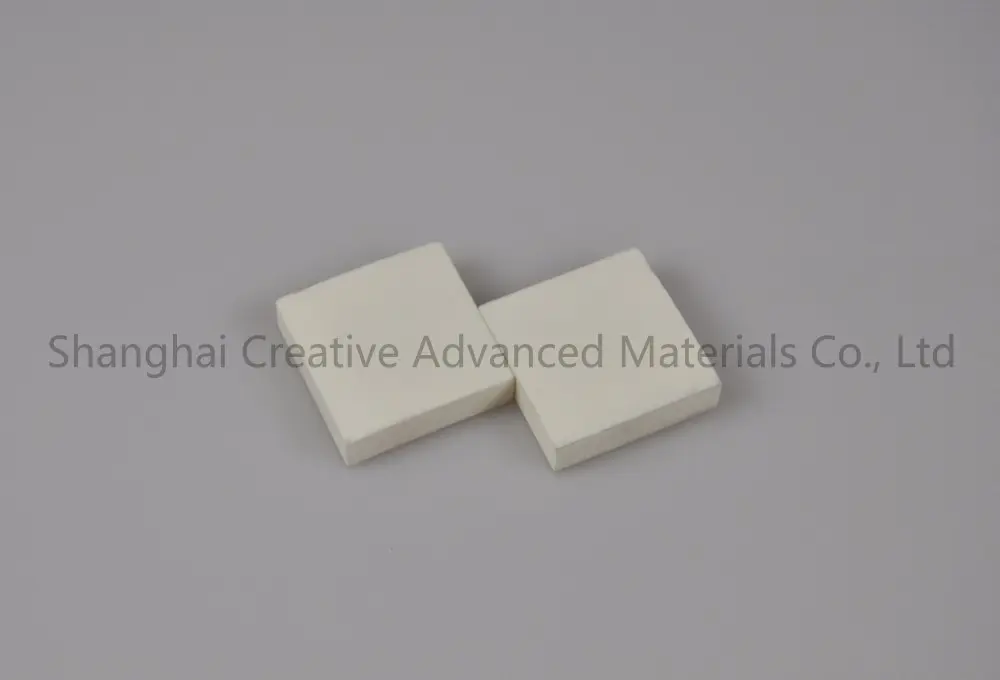
Exploring localized sintering technologies driving upgrades in high-density zirconia ceramic components, improving wear outcomes in extreme chemical process designs.
 2026-06-03
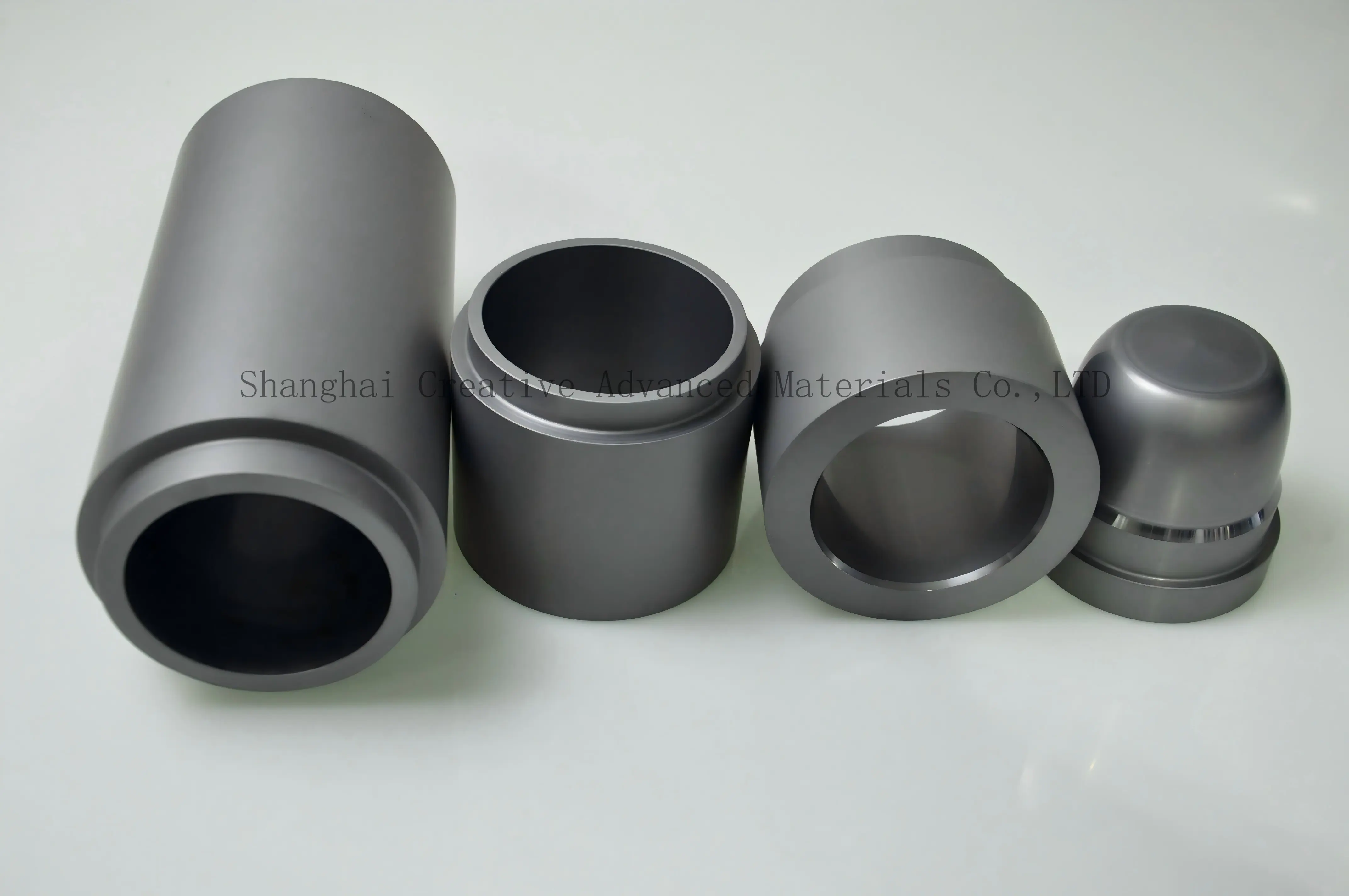
An analysis of modern hot pressing (HP) and pressureless sintering (PLS) methods, evaluating grain boundary cohesion in boron carbide and silicon carbide assemblies.
 2026-05-22
Detailing the benefits of pressureless sintering for complex, near-net shape silicon carbide components, optimizing cost and production lead times.
Technical guidance on advanced ceramic wear linings, target configuration options, and materials science selection parameters.