Advanced Materials for Critical Environments
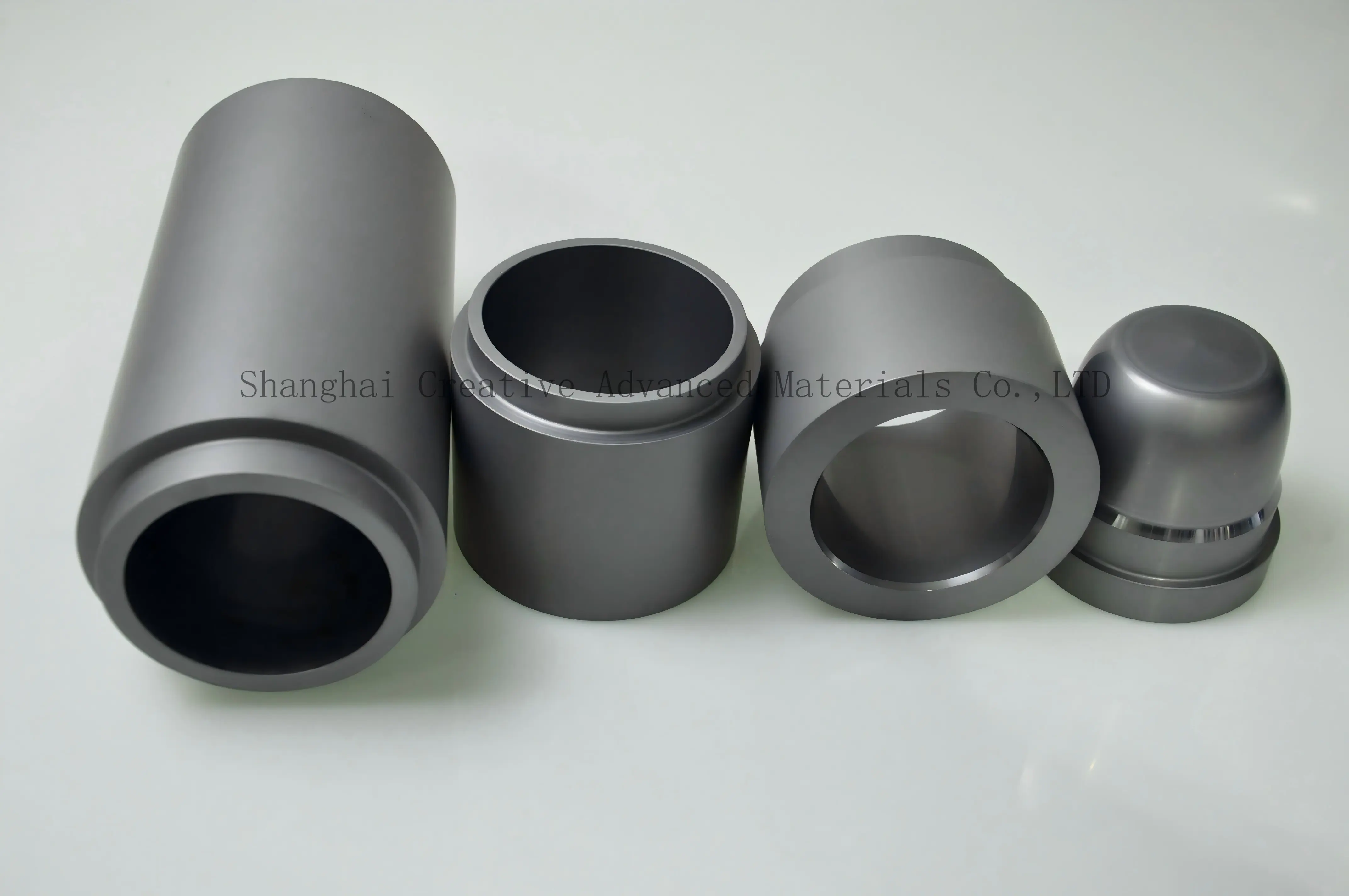
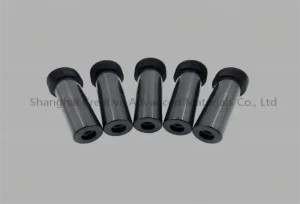
Zirconia (ZrO₂), often referred to as "Ceramic Steel," has revolutionized modern industrial engineering due to its exceptional fracture toughness, thermal insulation, and ionic conductivity. In the global landscape, Zirconia tubes are indispensable in oxygen sensors, fuel cell components, and high-temperature furnace liners.
As semiconductor nodes shrink and aerospace demands rise, the reliance on high-purity Yttria-Stabilized Zirconia (YSZ) tubes has seen a 15% CAGR globally, with China serving as the primary hub for scalable, cost-effective production.
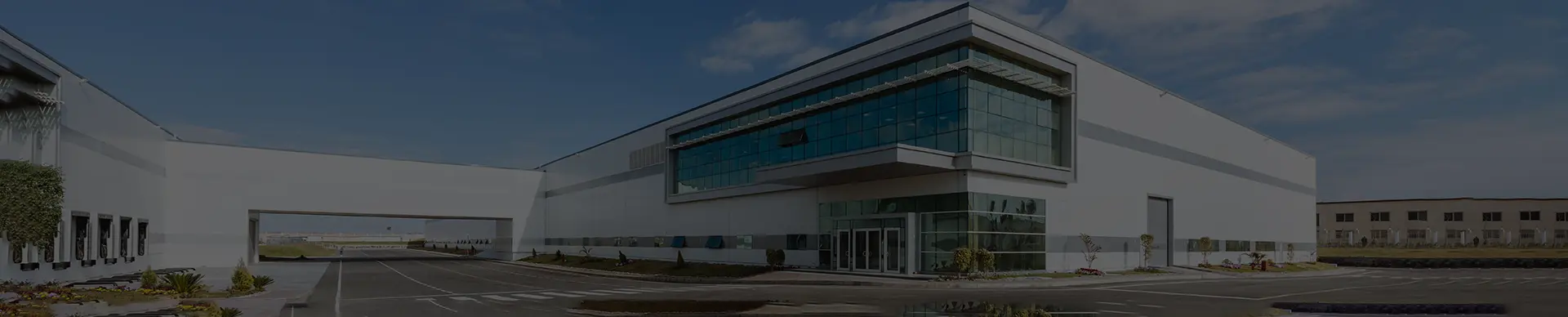
19 Years of Excellence in Material Science
Applying Zirconia Technology Across Sectors
High-purity Zirconia tubes are used in plasma-etching equipment and thermal processing chambers where chemical inertness is vital to prevent wafer contamination.
Utilizing the ionic conductivity of YSZ, our tubes serve as critical electrolytes in fuel cells, enabling the transition to hydrogen energy.
In molten metal analysis, Zirconia tubes act as protective sheaths for thermocouples, withstanding temperatures exceeding 2000°C without deformation.
The future of Zirconia Tube manufacturing lies in "Tailored Microstructures." We are moving beyond standard YSZ into Magnesia-Stabilized (MSZ) and Ceria-Stabilized (CSZ) variants to optimize for specific thermal shock or hydrolysis resistance.
Ensuring Quality from Powder to Final Product
Controlling purity, particle size, and chemical stability.
Ensuring slurry concentration and composition uniformity.
Automated pressing for superior strength and consistency.
Hot pressing, pressureless, and reaction sintering methods.
Imported high-precision equipment for micron-level accuracy.
CMM size testing and ceramic performance verification.
Semiconductor-grade dust-free cleaning line.
Export-qualified partners for global safe delivery.
Insights for Sourcing Managers and Engineers
YSZ (Yttria-Stabilized) is the most common, offering excellent mechanical properties at room temperature. MSZ (Magnesia-Stabilized) provides better resistance to thermal shock and is often preferred in metallurgical applications where rapid temperature cycles occur.
With high-precision grinding and CNC machining, Shanghai Creative Advanced Materials can achieve tolerances as tight as ±0.005mm on outer diameters and wall thickness, depending on the length of the tube.
Zirconia is extremely inert. It resists most acids, alkalis, and molten metals. However, it can be sensitive to hydrofluoric acid and concentrated sulfuric acid at very high temperatures.
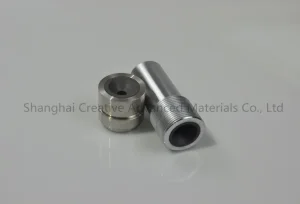
Yes. Utilizing isostatic pressing and green machining, we can produce tubes with flanges, threaded ends, or internal grooves to meet specific engineering designs.
News from the frontier of Advanced Ceramics
Explore our full range of semiconductor and industrial materials