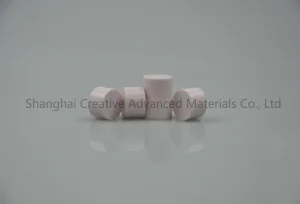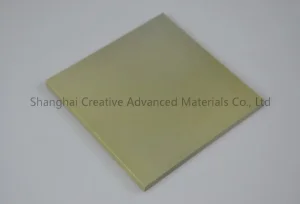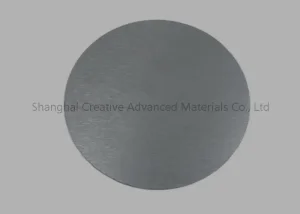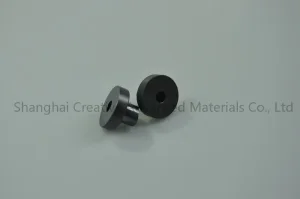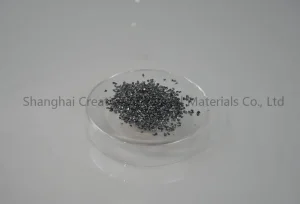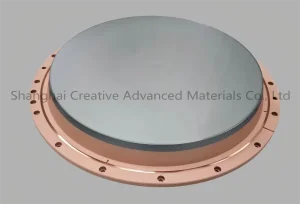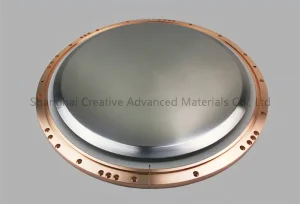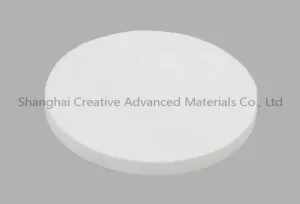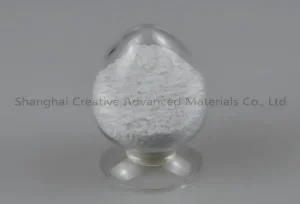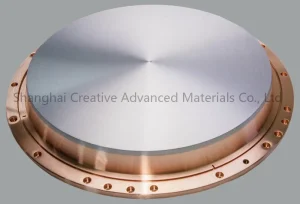
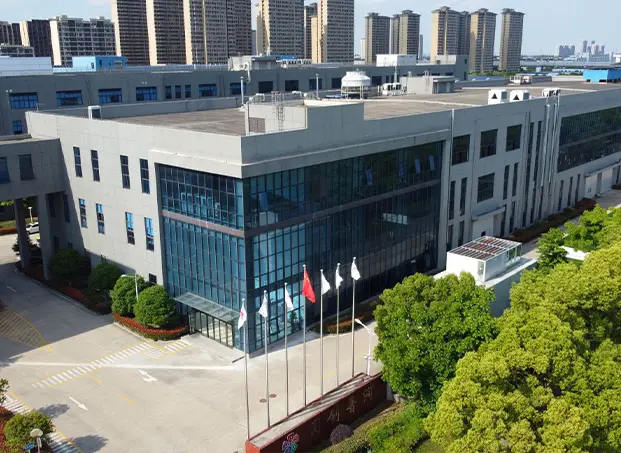
Shanghai Creative Advanced Materials Co., Ltd. (SCA), established in the Shanghai Industrial Comprehensive Development Zone, represents the pinnacle of China's advanced ceramic engineering. We are a high-tech enterprise integrating R&D, production, and precision sales of semiconductor ceramic targets, powder metallurgy targets, and specialized ceramic components.
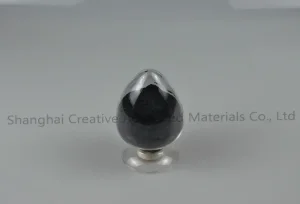
Our expertise spans Silicon Carbide (SiC), Boron Carbide (B4C), and high-purity metal targets essential for the global semiconductor, aerospace, and energy sectors. With nearly two decades of localized innovation, we have pioneered Siliconized Silicon Carbide (SiSiC) solutions that meet the rigorous demands of the modern industrial landscape.
Years Experience
Core Technologies
Professionals
Global Customers
The global demand for Siliconized Silicon Carbide (also known as Reaction Bonded Silicon Carbide, RBSiC) has witnessed an unprecedented surge. As industries pivot toward energy efficiency and extreme-environment resilience, SiSiC has emerged as the material of choice for high-thermal conductivity and superior mechanical strength.
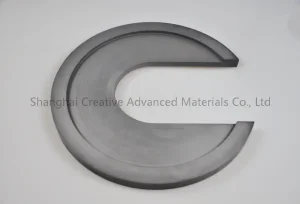
SiSiC is critical for wafer handling components, such as cantilever paddles and susceptors, where thermal stability and high purity are non-negotiable.
Used in lightweight armor and high-temperature structural components, SiSiC provides the highest hardness-to-weight ratio after diamond and B4C.
Crucial for heat exchangers in concentrated solar power (CSP) and high-efficiency industrial kilns, reducing carbon footprints through heat recovery.
China has transitioned from a volume-based manufacturer to a high-end technological leader in the Silicon Carbide space. Factories like Shanghai Creative are now competing directly with European and Japanese counterparts by offering Information Gain—not just products, but deep material science data and simulation-based engineering support.
SEO Insight: Modern "Semantic Search" priorities expertise (E-E-A-T). By understanding the atomic bonding of Silicon into a porous SiC matrix, we ensure that our components exhibit zero porosity and maximum chemical inertness.
Our production flow is a testament to precision engineering. Siliconized Silicon Carbide is produced by the "Reaction Bonding" process, where molten silicon is infiltrated into a compact of SiC powder and carbon. The reaction creates a dense, non-porous structure with exceptional properties.
Control of purity, particle size, and chemical stability for consistent results.
Automated presses form the green body, ensuring uniform density and geometry.
High-temperature reaction bonding under vacuum to eliminate impurities.
Imported high-precision equipment to reach sub-micron tolerances.
The roadmap for SiSiC involves Additive Manufacturing (3D Printing). Shanghai Creative is actively researching complex geometries that traditional pressing cannot achieve, allowing for internal cooling channels in semiconductor susceptors and lighter-weight mirrors for satellite optics.
In China and across the global industrial landscape, SiSiC's versatility is unmatched. Here are the primary application domains where Shanghai Creative’s materials provide a competitive edge:
Beams, rollers, and cooling pipes for sanitaryware and high-tension electrical porcelain factories. High creep resistance ensures long life at 1380°C.
Used in desulfurization pumps and chemical processing. SiSiC withstands abrasive slurries and highly corrosive acids better than stainless steels.
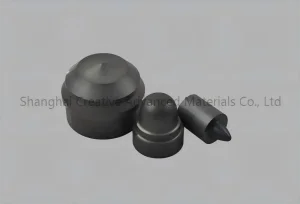
Pressureless and reaction-bonded nozzles for sandblasting and flue gas desulfurization (FGD) in power plants.
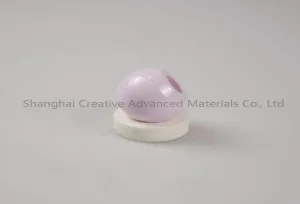
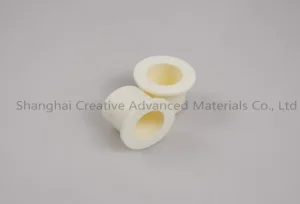
Our materials, including Boron Carbide (B4C) and Alumina (Al2O3), complement our SiC offerings. B4C remains the go-to for neutron absorption in the nuclear industry, while Alumina serves as the backbone for cost-effective industrial insulation and structural ceramics.
As a leader in the semiconductor supply chain, Shanghai Creative Advanced Materials adheres to international standards (ISO 9001:2015). We provide full record traceability from raw powder batches to the final serialized unit. This commitment to transparency is why global OEMs trust us for mission-critical components.
Strong partnerships with international logistics and full export qualifications ensure fast, safe delivery across all continents.
Our 200+ professionals offer localized support, including material selection, FEA analysis, and custom design optimization.
Strict adherence to RoHS and REACH standards for environmental safety and industrial health protocols.