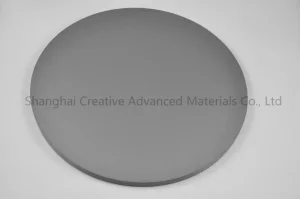
China MoTi alloy target:core material for hard coating Supplier, Factory
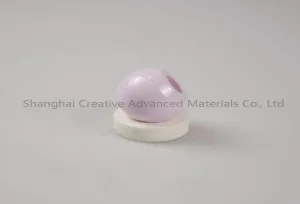
China Premium Al₂O₃ Ceramic Components for Enhanced Performance Supplier, Factories
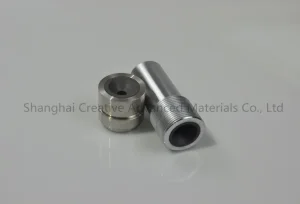
China Metallized Ceramic Components:designed for critical environment Manufacturer, Factory
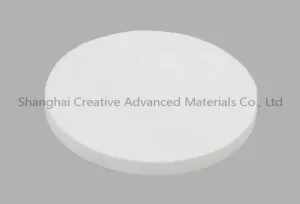
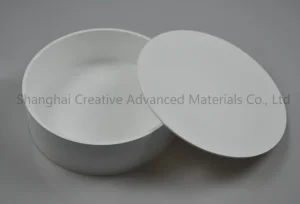
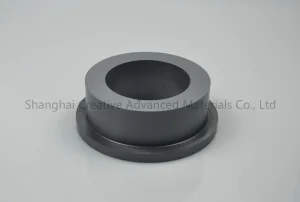
Wholesale Boron Nitride:Sintered Plate&Crucible Manufacturer, Supplier
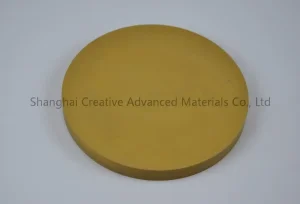
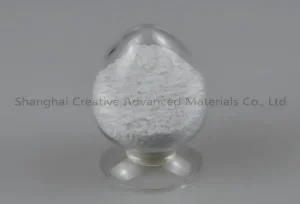
China Zinc Oxide Target:excellent thin film property Factory, Factories
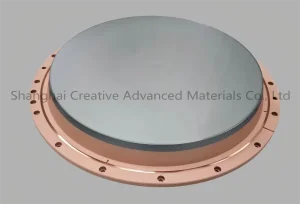
China Reliable 300mm WSi Target for Enhanced Performance Supplier, Factory
The global advanced ceramic market, often referred to under the broad category of Industrial Porcelain and Technical Ceramics, has evolved into a multi-billion dollar industry critical to the Fourth Industrial Revolution. Unlike traditional household porcelain, industrial-grade ceramics—including Boron Carbide, Silicon Carbide, and high-purity Alumina—are engineered to withstand extreme thermal, chemical, and mechanical stresses.
Currently, the market is witnessing a paradigm shift driven by the semiconductor shortage and the rapid expansion of the Electric Vehicle (EV) and Renewable Energy sectors. China has emerged not just as a high-volume manufacturer, but as a technological epicenter for sintering innovations. Chinese factories are now at the forefront of producing sub-micron grain ceramics that were once the exclusive domain of Western and Japanese high-tech labs.
High-purity targets and ceramic components designed for the next generation of wafer fabrication and PVD processes.
Silicon Carbide and Alumina materials optimizing thermal management in power electronics and EV batteries.
Boron Carbide (B4C) armor plates and Boron Nitride engine components providing unmatched weight-to-strength ratios.
What sets Shanghai Creative Advanced Materials (SCA) and leading Chinese manufacturers apart is the integration of the entire supply chain. From the raw refinement of Boron and Silicon powders to the final precision machining using CNC centers, the ecosystem in industrial zones like Shanghai offers unparalleled turnaround times.
Advanced molding technologies, including Cold Isostatic Pressing (CIP) and Pressureless Sintering, allow for the creation of complex geometries with zero porosity. This level of factory efficiency reduces global procurement costs by 20-30% while maintaining the stringent quality standards required by international ISO certifications.
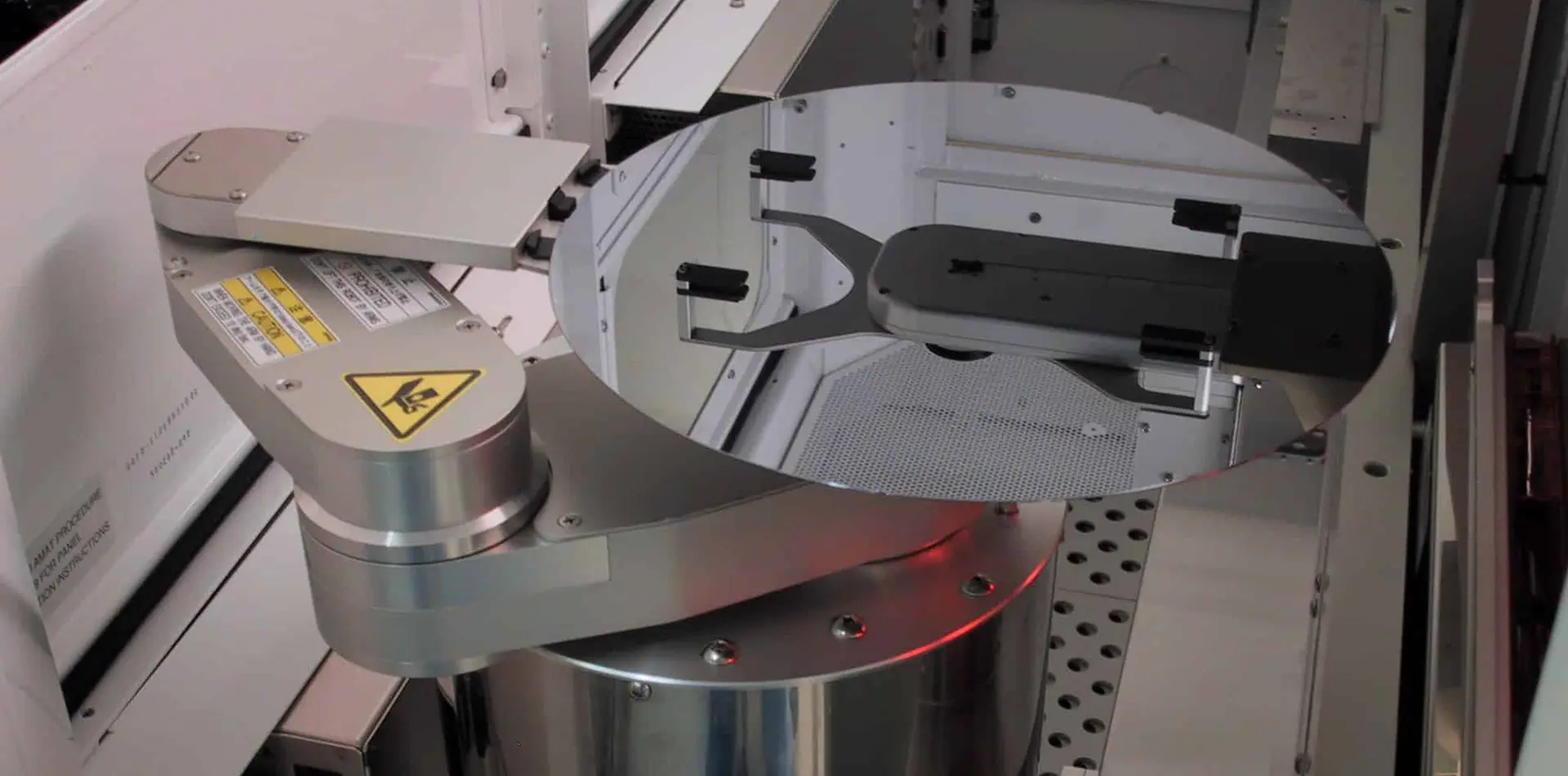
Known as the "Black Diamond," B₄C is the second hardest material on Earth. Our factory specializes in sintering B4C for nuclear neutron absorption and ballistic armor. The chemical inertness and extreme hardness make it indispensable for sandblasting nozzles and semiconductor grinding.
The future of high-performance materials. SiC components offer high thermal conductivity and low thermal expansion. Widely used in wafer chucks, ceramic valves, and LED manufacturing. Our unpressurized SiC nozzles provide superior corrosion resistance in harsh chemical environments.
Enterprise-level buyers today are moving away from transactional purchasing toward Strategic Material Partnerships. The trend is clearly favoring manufacturers who can provide "Information Gain"—detailed data on material grain size, trace element analysis, and lifecycle performance under stress.
Traditional porcelain is clay-based and primarily aesthetic. Advanced ceramics (technical porcelain) are synthesized from pure chemical compounds like oxides, carbides, and nitrides to achieve specific functional properties like high hardness, conductivity, or heat resistance.
We utilize a complete semiconductor-grade cleaning production line and a dust-free workshop (Class 100-1000). Every batch undergoes CMM testing and chemical analysis to ensure zero contamination during packaging.
Yes. We specialize in professional design customization. Our engineers work with a wide range of material combinations and advanced molding technologies to meet demanding application requirements in aerospace, defense, and electronics.
With our optimized production flow and multiple logistics partners, standard orders are processed with high efficiency. We offer express air freight for small components and consolidated sea freight for large target batches, ensuring fast delivery worldwide.