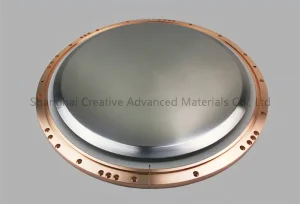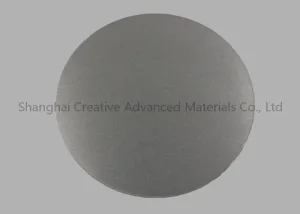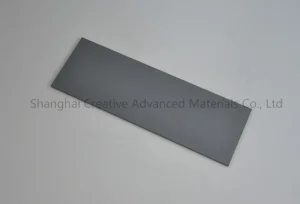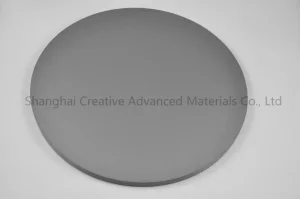
Direct supply of high-performance components, targets, and powders engineered for specialized environments.
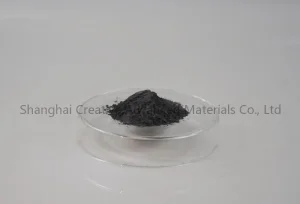
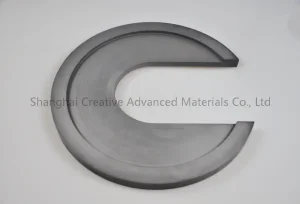
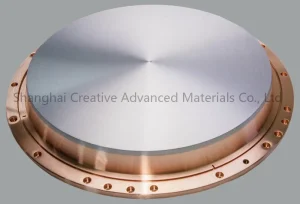
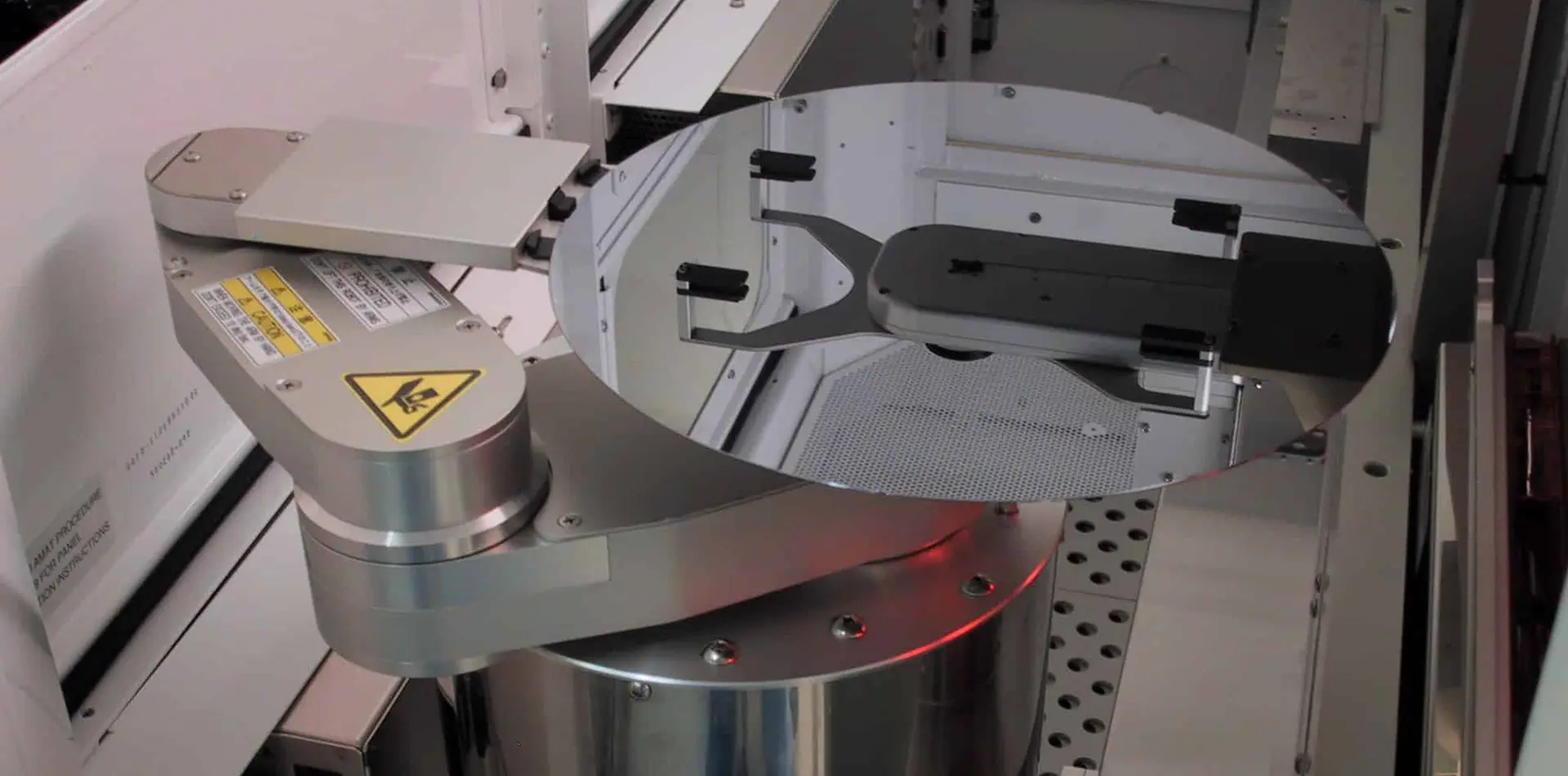
The global technical materials sector is witnessing an unprecedented transition toward high-performance glass-ceramic plates. Primarily driven by structural shifts in induction cooking, semiconductor heat sinks, and aerospace shieldings, these composite materials bridge the gap between classic glass processing and advanced structural ceramics. By controlling the nucleation and crystallization processes, manufacturers achieve an ultra-fine grain size with negligible residual stress.
One of the most notable advances is the development of Lithium-Aluminosilicate (LAS) glass-ceramics, which offer a near-zero coefficient of thermal expansion (CTE). Under extreme thermal shocks—where traditional borosilicate glasses fail—LAS maintains total structural integrity. Consequently, the demand is shifting from generic applications to high-frequency and microwave-compatible glass-ceramic plates that exhibit low dielectric loss and high dielectric strength.
Procurement teams targeting Chinese manufacturers face dynamic requirements involving quality assurance, customization parameters, and end-to-end traceabilities. Standard parameters for purchasing glass-ceramic plates include:
Surface Smoothness and Flatness: For semiconductor test fixtures and sensor covers, sub-micron flatness is critical. The interface between the plate and the underlying heating elements or sensors must be perfectly uniform to prevent localized hot spots.
Chemical Resistance: In industrial applications and laboratories, glass-ceramic plates must withstand strong acids and alkalis. Industrial-grade formulations must show zero deterioration under hot acids, aligning with DIN 12116 for acid resistance and ISO 695 for alkali resistance.
Supply Chain Security and Scalability: Global buyers require certified suppliers with robust raw material access and high-volume production capabilities. This guarantees that large-scale product deployments do not suffer bottlenecks during high-demand periods.
Advanced material components provide robust solutions for multiple core industries:
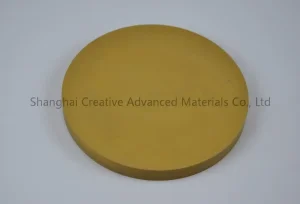
High-transparency and colored glass-ceramic surfaces for induction hobs, microwave oven bottom plates, and fireplace viewing windows. Excellent thermal stability prevents cracking even if ice-cold water is spilled on a fully heated surface.
Utilized as electrostatic chuck bases, diffusion wafer carriers, and sensor protection plates. High mechanical strength coupled with low electrical conductivity ensures accurate diagnostics and high throughput during deposition cycles.
Heavy-duty plates for industrial baking lines, laboratory stirrers, and analytical hotplates where direct contact with corrosive reagents and extreme thermal cycles are daily occurrences.
Optimized glass-ceramics designed as thermal insulating tiles and components in high-altitude environments, resisting rapid atmospheric temperature transformations.
The future of glass-ceramic engineering focuses on composite matrix enhancement. By integrating nanomaterials into the glass phase, researchers are building self-healing ceramic surfaces that can mitigate microscopic fissures automatically. Furthermore, the integration of conductive circuits directly onto the glass-ceramic surface using PVD sputtering targets (such as tungsten, molybdenum, and chromium alloys) allows for the creation of smart cooktops with built-in capacitive touch features and direct thermal sensors.
Environmental compliance and sustainability also shape the engineering roadmap. SCA is focusing heavily on green manufacturing, developing energy-efficient electric melting systems to replace fossil-fuel-powered furnaces. This dramatically lowers the carbon footprint of structural ceramic production while keeping chemical impurities within the parts-per-billion range.
A leading high-tech manufacturer of structural ceramics, targets, and industrial materials.
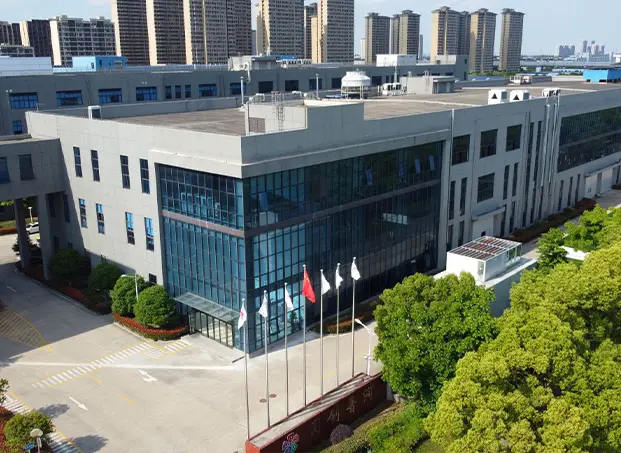
Established in the Shanghai Industrial Comprehensive Development Zone, Shanghai Creative Advanced Materials Co., Ltd. (SCA) has grown into a major hub for materials science innovation. We are primarily engaged in semiconductor ceramic targets, powder metallurgy targets, and high-precision ceramic components.
By integrating professional research, production, and sales of advanced ceramic materials and polymer products, we supply critical components to high-demand sectors such as semiconductor lithography, nuclear energy, solar energy, and defense.


Explore our high-performance structural materials and advanced ceramic solutions.


Unmatched mechanical hardness, thermal thresholds, and physical stability.
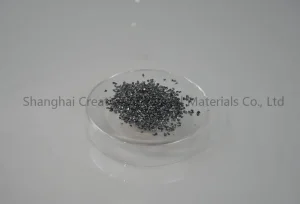
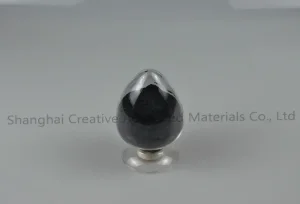
Often dubbed "the black diamond," Boron Carbide is one of the hardest synthetically created substances on the planet. Its hardness is second only to industrial diamond.
This extraordinary property makes it indispensable for individual soldier protection systems, heavy tank armor, and helicopter structural shielding. In the industrial sector, B4C is highly utilized as a neutron absorber in nuclear reactors, high-speed sandblasting nozzles, and premium semiconductor abrasive powders.
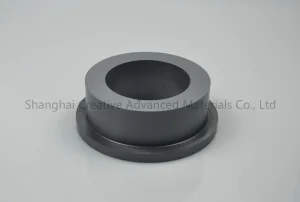
Silicon Carbide is a synthetically produced crystalline compound of silicon and carbon, offering exceptional thermal conductivity, resistance to chemical corrosion, and high hardness.
It serves as the base material for ultra-flat semiconductor polishing rings, high-temperature furnace structural components, solar photovoltaic wafer fixtures, and wear-resistant sealing parts.
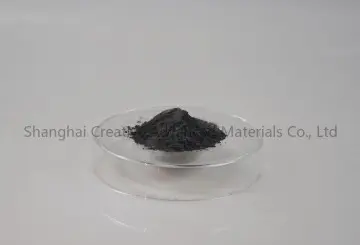
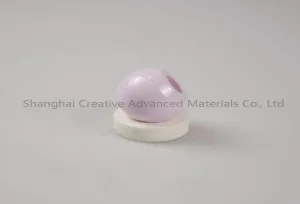
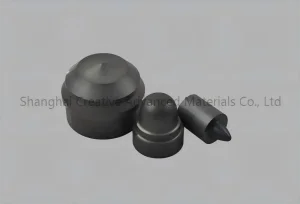
Alumina ceramics provide superb electrical insulation coupled with high mechanical resistance. Widely utilized for high-temperature electrical feedthroughs, laboratory crucibles, and sensor protective caps.
Its resistance to electrical tracking makes it the go-to structural substrate for high-voltage and RF applications globally.
Traceable manufacturing processes safeguarding extreme material stability.

Strict supervision of chemical purity, mineral phase balance, and particle size distribution down to the nanometer level.

Ensures optimal slurry viscosity and dispersion, producing granules with uniform bulk density and consistent powder flowability.

Utilizing high-tonnage dry presses and cold isostatic presses (CIP) to guarantee green body density homogeneity.

Applying pressureless sintering, hot pressing (HP), and reaction bonding techniques matched to the targeted ceramic chemistry.

Employing high-speed diamond grinding, CNC routing, and ultrasonic drilling to secure stringent dimensional tolerances.

Equipped with coordinate measuring machines, ultrasonic flaw detectors, and XRD to audit structural integrity.

Semiconductor-grade cleaning chambers that eliminate microscopic surface contamination prior to vacuum packing.

Custom protective packaging and shockproof crating to secure absolute safety during transcontinental transport.
Addressing critical technical questions asked by materials engineers and procurement leads.
Stay updated on structural ceramics research and new manufacturing technologies.
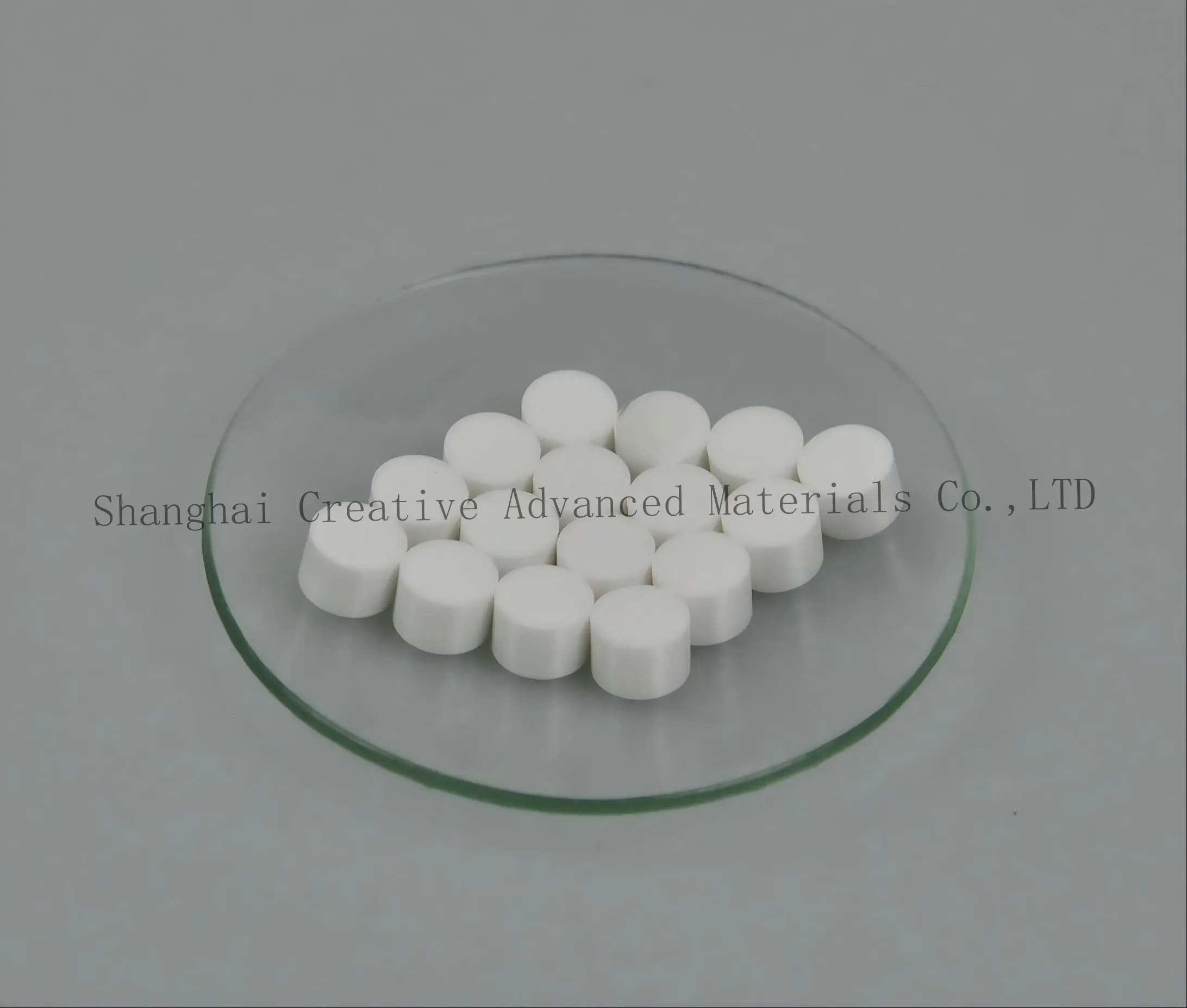
Localized sintering technologies drive upgraded zirconia ceramic production in China, boosting thermal efficiency and cutting wear rates in chemical pumps.
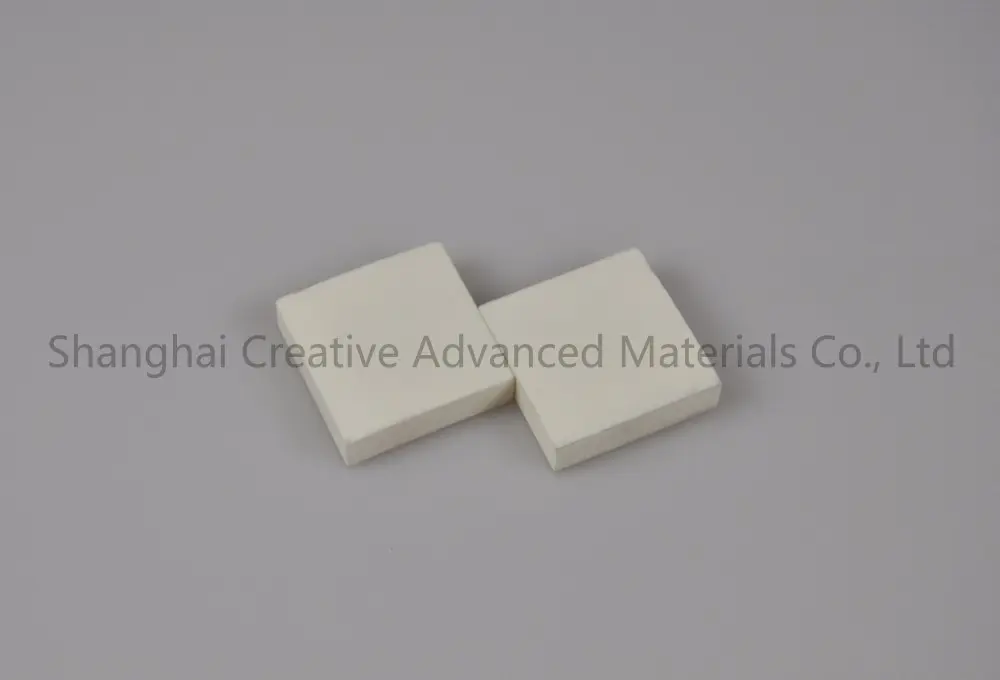
Investment in high-pressure sintering systems enables the production of larger-format structural components with zero internal voids.
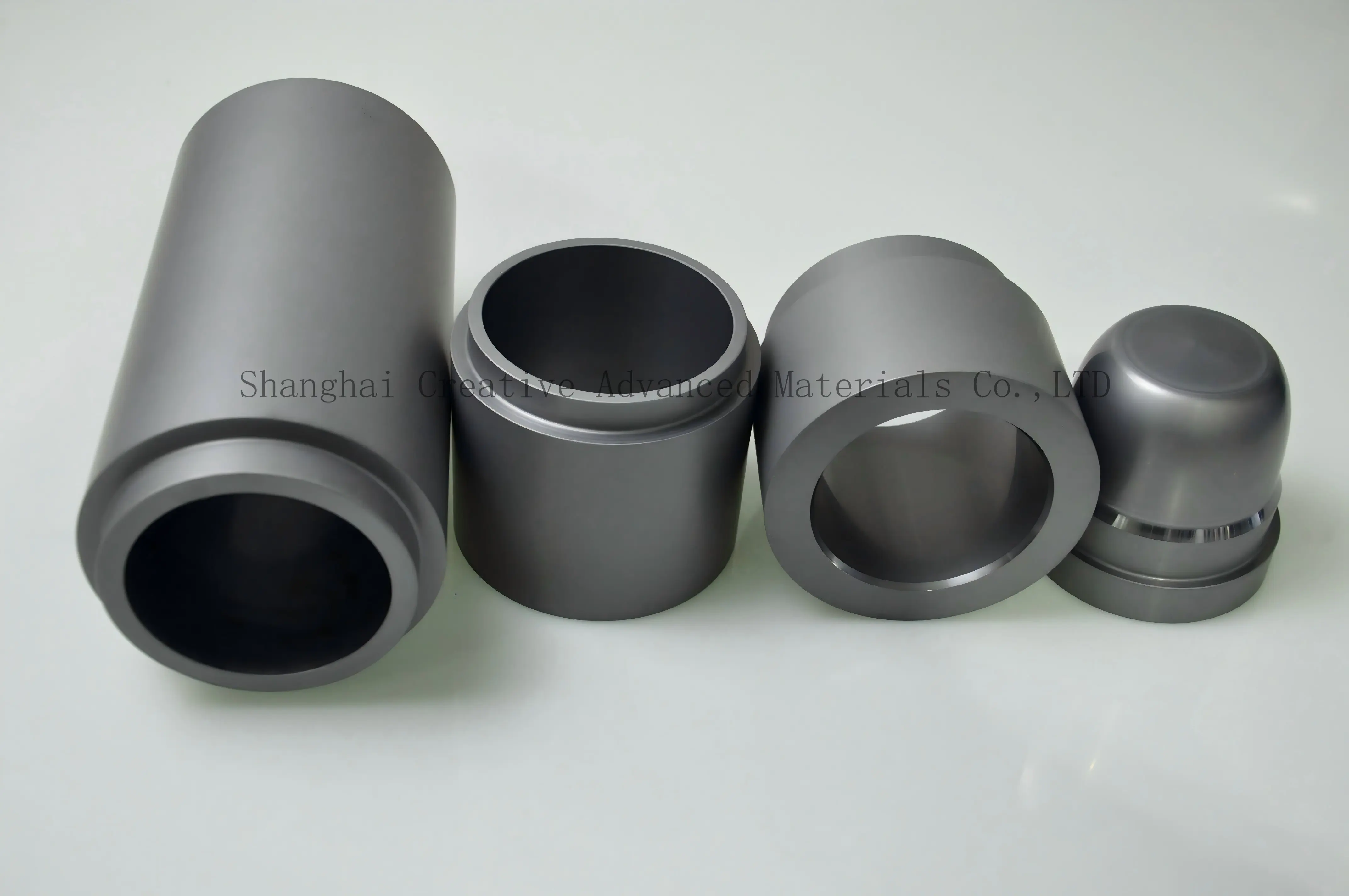
Examining how pressureless sintering techniques reduce costs and improve design flexibility for complex industrial nozzles.
Explore our secondary line of specialized materials designed for critical processing environments.