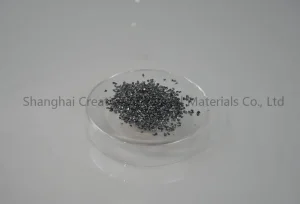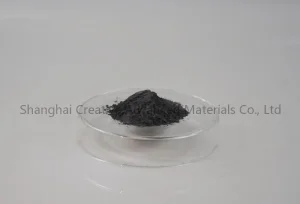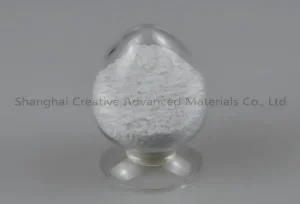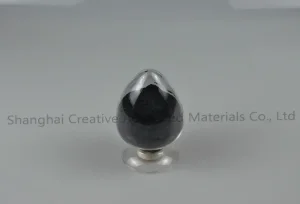
Advanced functional slugs and high-purity micro-powders optimized for industrial vapor deposition and advanced research labs.
Established in Shanghai Industrial Comprehensive Development Zone, Shanghai Creative Advanced Materials Co., Ltd. (SCA) is a high-tech company that integrates the R&D, production, and sales of high-purity semiconductor ceramic targets, powder metallurgy targets, advanced ceramic components, polymer materials, and neutron absorption shielding systems.
Through our state-of-the-art hot pressing sintering and pressureless sintering facilities, we serve demanding industrial and defense applications in the United States, Europe, and Asia, ensuring ultimate materials reliability under extreme chemical, thermal, and mechanical stress.


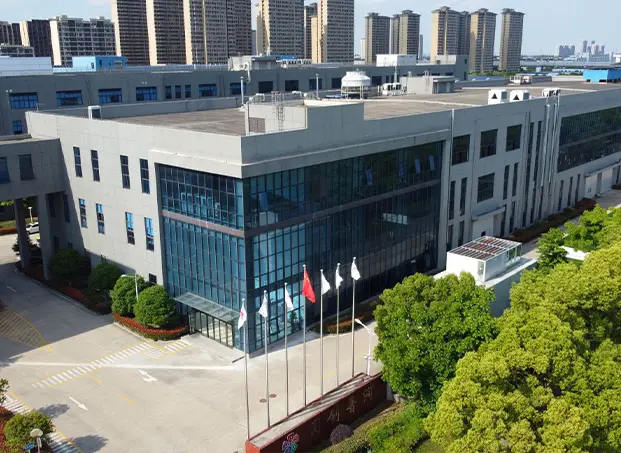

An in-depth regulatory and supply-chain analysis of the strategic ceramic powders sector in North America.
In the United States, the market for advanced structural ceramics and functional ceramic powders is undergoing a profound structural evolution. Pushed forward by initiatives like the CHIPS and Science Act and the modernization of defense procurement parameters, domestic manufacturing sectors are demanding unprecedented supply security, sub-micron particle consistency, and trace-element purity levels.
US semiconductor fabs are scaling next-generation architectures that mandate plasma-resistant chamber parts. Highly pure Silicon Carbide (SiC) and Alumina (Al₂O₃) components are vital inside plasma etching units and thermal diffusion chambers. Micro-powder formulations must guarantee total freedom from transition metals to prevent wafer-level contamination, making trace metallurgic auditing crucial.
For light-tactical vehicles and personal plate protection (such as ESAPI armor), Boron Carbide (B₄C) remains the pinnacle barrier due to its hardness (second only to diamond). Additionally, non-oxide ceramic powders are increasingly designated for thermal barrier coatings (TBCs) and nozzle elements in commercial aerospace and defense missile programs.
To align with American QA protocols, manufacturers must provide raw material traceability data (such as ICP-MS and XRD profiles) from mines to sintered shapes. Providing this detailed information gain enables research laboratories and aerospace tier-1 integrators to mitigate engineering failures under high-temperature or corrosive thermal atmospheres.

Why Tier-1 global industrial supply chains partner with Shanghai Creative Advanced Materials.

We provide full raw material to final component traceability. Every single batch is tracked with specialized serial numbers, verifying mechanical grain stability and chemistry consistency under ISO 9001:2015.

We understand that supply continuity protects manufacturing schedules. We maintain deep stocks of primary oxide and non-oxide powders to optimize global delivery timelines for US ports.

Our research team tailors chemical purity, particle sizing (PSD), and custom binder integrations, mapping material profiles exactly to custom dry-pressing or slip-casting setups.

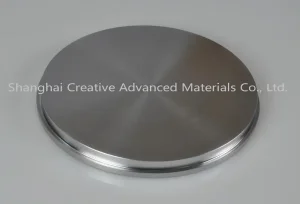
We specialize in manufacturing large-diameter targets and complex machined monolithic components, utilizing cleanrooms to eliminate particle contaminants before packaging.
Comprehensive physical properties, synthesis targets, and technical classifications of our core industrial ceramic systems.

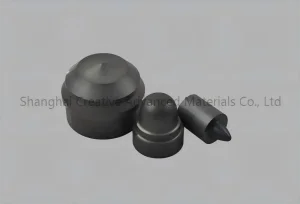
Boron Carbide (B₄C) stands as one of the hardest synthetically engineered materials in existence, surpassed only by cubic boron nitride and diamond. With a density of only 2.52 g/cm³, it offers extreme weight savings for vehicle armor and personal defense plates. It also features a high thermal neutron absorption cross-section (due to B-10 isotopes), rendering B₄C critical for nuclear shielding assemblies and control rods.
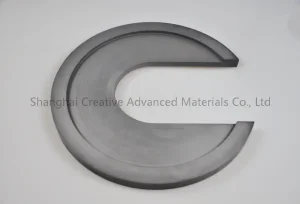
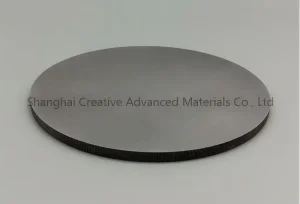
Silicon Carbide (SiC) maintains excellent thermal shock resistance, high thermal conductivity (120-200 W/mK), and low thermal expansion. These characteristics make it the gold standard for high-temperature semiconductor processing fixtures, wafer rings, vacuum chucks, and chemical vapor deposition (CVD) equipment parts.
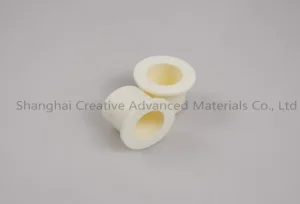
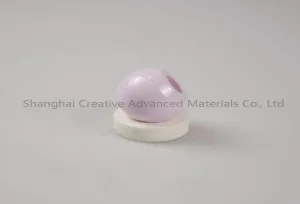
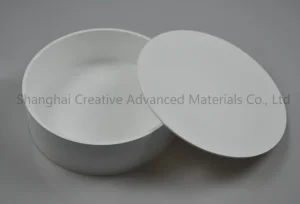
Alumina (Al₂O₃) is widely used for high-voltage insulation, structural components, and high-frequency microwave fixtures due to its strong dielectric strength and cost-efficiency. Meanwhile, Boron Nitride (BN) (available in hexagonal form) offers non-wetting properties with molten metals, high thermal conductivity, and outstanding electrical insulation, making it the material of choice for high-temperature metal alloying crucibles.
Our integrated manufacturing line guarantees dimensional consistency and structural integrity at every stage.

We analyze chemical composition, grain size distribution, and mineral phase purity using advanced XRD/ICP-MS testing.


We verify slurry stability, control tap density, and manage binder distribution to ensure consistent pressing characteristics.

Using automated dry and cold isostatic presses to form highly dense green bodies with uniform density profiles.

Advanced hot pressing, pressureless, and reaction sintering options are selected depending on structural density specifications.

Diamond grinding and ultra-precise CNC machining ensure strict alignment with CAD geometries and critical tolerances.

CMM dimensional testing, ultrasonic crack detection, and density validation confirm compliance before packing.

We execute multi-stage chemical and ultrasonic cleans within dust-free environments to eliminate micro-particles.

Safe, robust packaging protects our products, coupled with custom export documentation for hassle-free US clearance.
For critical defense and aerospace applications in North America, advanced structural ceramic parts must conform strictly to ASTM standards. Testing procedures include ASTM C1161 for flexural strength evaluation, and ASTM C1421 for measuring fracture toughness (K1c).
Understanding how raw powder morphology relates to final sintered density is crucial. Uncontrolled sub-micron agglomerates can create internal pore networks that concentrate stresses, significantly reducing the material's structural life. This highlights the importance of our proprietary spray drying processes, which produce spherical granules that flow smoothly, preventing defects during dry-pressing cycles.
In recent years, procurement managers have prioritized minimizing logistics delays. We address this challenge by partnering with reliable shipping lines, streamlining custom clearances, and supplying comprehensive documentation (including REACH/RoHS statements and SDS sheets) for efficient shipping to the US.
Stay up to date with the latest developments in sintering technologies and functional ceramic materials.
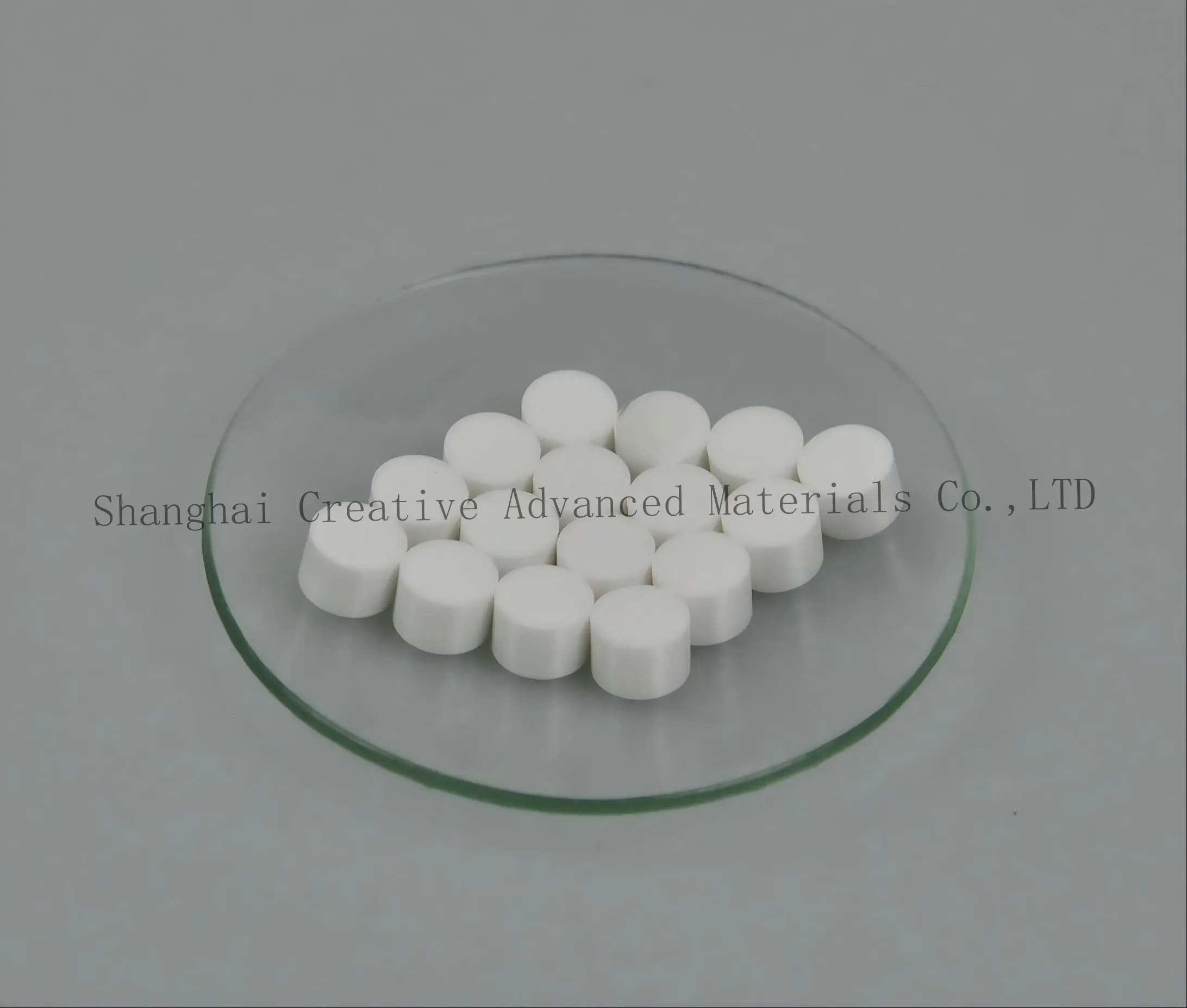
Explore how modern pressureless sintering techniques improve structural densities, extending the working life of zirconia components in acidic chemical environments.
Read Article →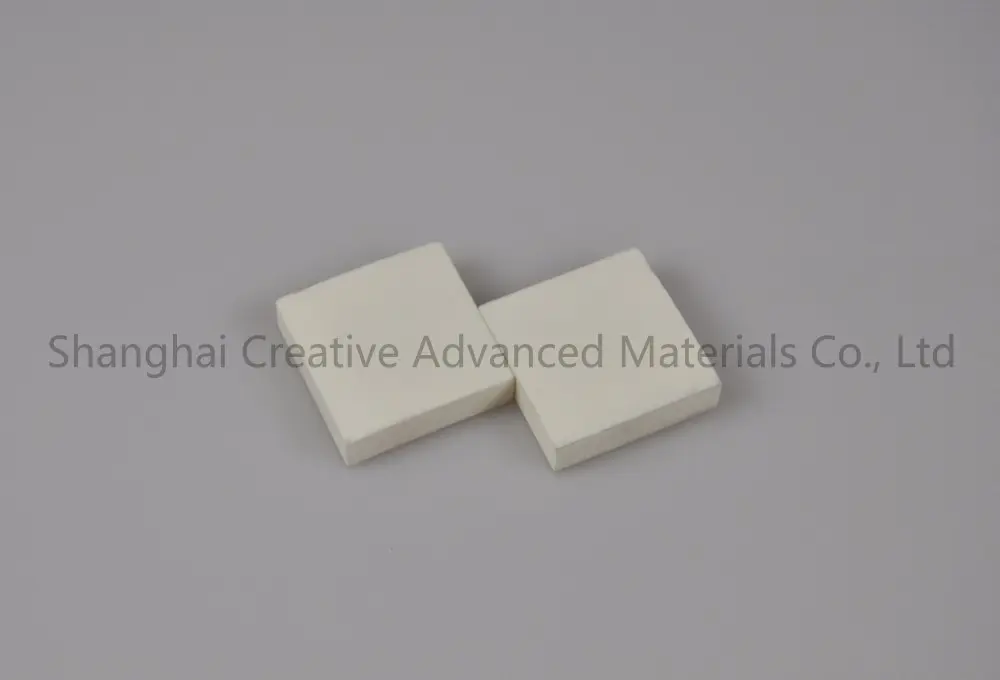
An in-depth analysis of powder grain orientation during pressing cycles and its direct effect on thin-film sputtering target deposition rates.
Read Article →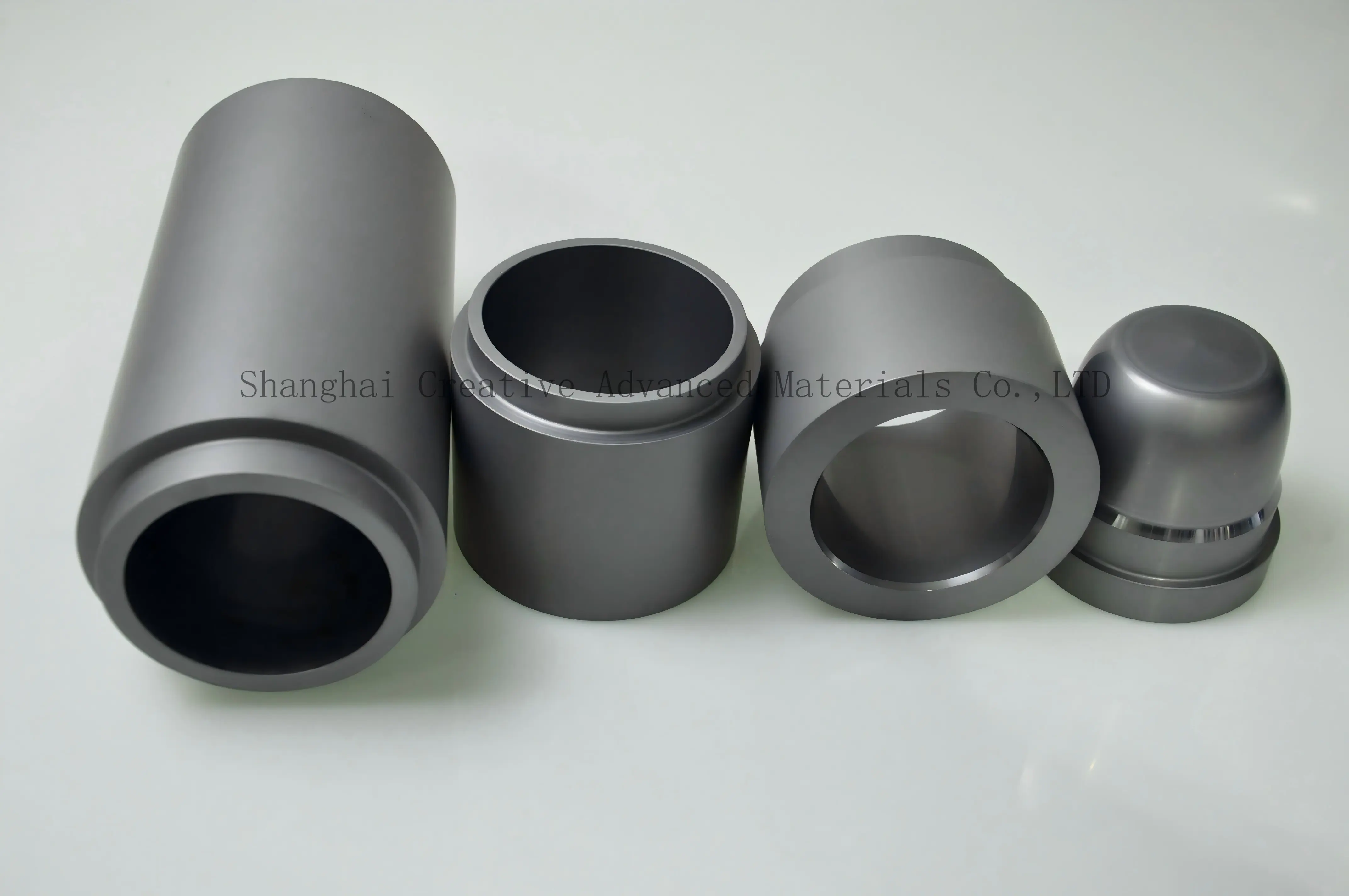
Understanding why pressureless sintered silicon carbide offers superior corrosion resistance compared to reaction-bonded alternatives in semiconductor chambers.
Read Article →Detailed engineering answers to help you select, evaluate, and purchase advanced ceramic materials.
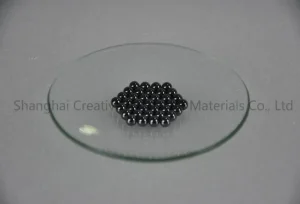
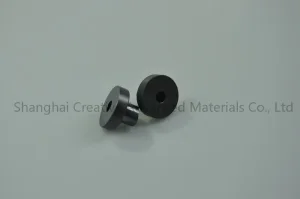
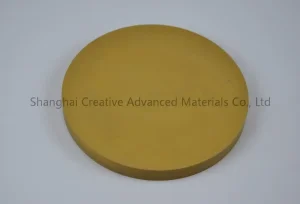
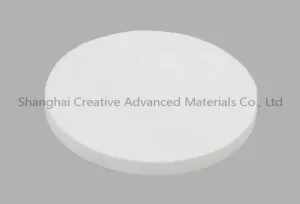
Precision-sintered components, wear-resistant media, and customizable sputtering targets designed for demanding industrial applications.
Connect with our technical sales engineers to discuss your purity specs, dimensions, and sintering requirements.
Send Inquiry Now