In the contemporary industrial landscape, corrosion resistance is no longer a luxury but a fundamental requirement for operational continuity. The global economic impact of metallic corrosion is estimated at over $2.5 trillion USD annually, representing roughly 3.4% of the global GDP. As industries push into more extreme environments—ranging from ultra-high vacuum semiconductor chambers to deep-sea geothermal energy extraction—the demand for materials that can withstand chemical degradation, oxidation, and abrasive wear has reached unprecedented levels.
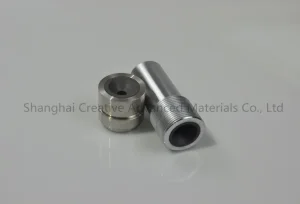
Traditional stainless steels and nickel alloys are increasingly being replaced by Advanced Ceramics (SiC, B4C, Al2O3) and Refractory Metal Alloys (Tungsten, Molybdenum, Chromium). These materials offer thermodynamic stability that standard metals cannot match. As a leading manufacturer, Shanghai Creative Advanced Materials (SCA) addresses these challenges through molecular-level engineering and precision sintering processes.
The global supply chain for corrosion-resistant materials has undergone a paradigm shift. China, specifically the Shanghai Industrial Comprehensive Development Zone, has evolved from a high-volume producer to a global leader in "Smart Materials" innovation.
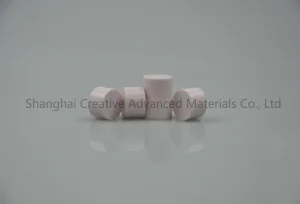
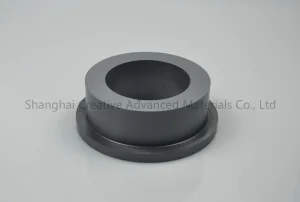
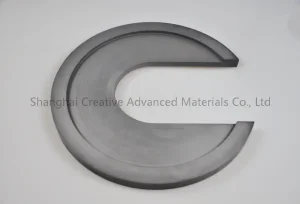
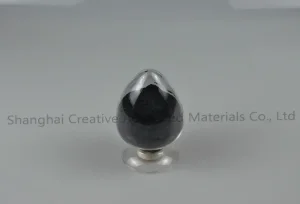
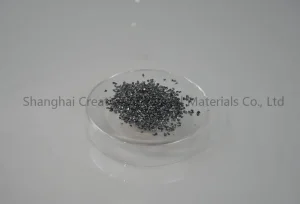
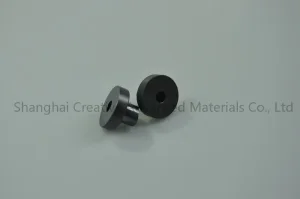
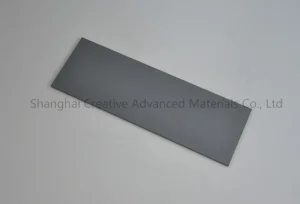
A synthetic crystalline compound of Silicon and Carbon. It is the material of choice for semiconductor wafer processing due to its plasma resistance and thermal conductivity. SCA's SiC is optimized for valve seats and cores in chemical handling.
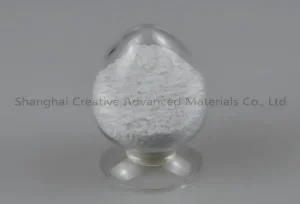
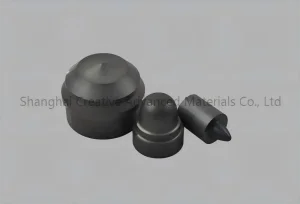
Known as "Black Diamond," B4C is second only to diamond in hardness. It excels in nuclear neutron absorption and oilfield abrasive environments. Our proprietary sintering process ensures zero porosity.
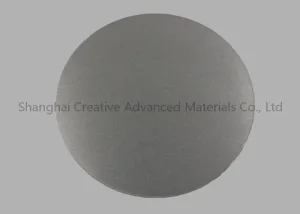
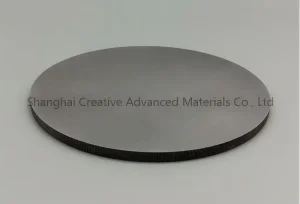
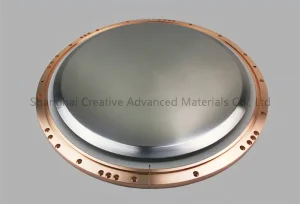
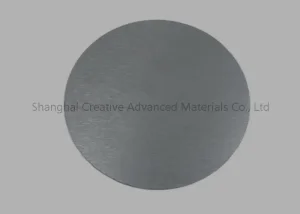
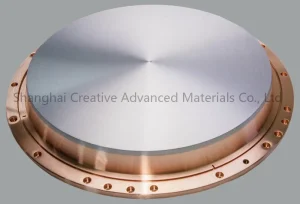
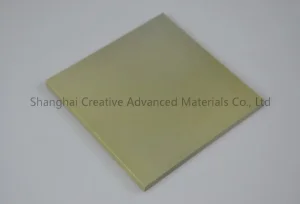
High-purity Tungsten (W), Molybdenum (Mo), and Chromium (Cr) targets are essential for PVD coating. They provide the anti-corrosion barrier layer for microchips and high-end automotive components.

Strict monitoring of particle size and chemical purity to ensure baseline stability.

Controlling slurry concentration for uniform density in the final blank.

Multiple high-temp methods including pressureless and reaction sintering.

Imported precision equipment for dimensional accuracy and performance metrics.
1. Semiconductor & Optoelectronics: With the rise of 5G and AI, the demand for 300mm high-purity targets has surged. These targets create thin films that protect silicon wafers from oxidative degradation during high-temperature fabrication.
2. Oil & Gas (Extreme Harsh Environments): In deep-well drilling, equipment faces hydrogen sulfide (H2S) corrosion. Our Boron Carbide components provide 10x the lifespan of hardened steel.
3. Aerospace & Defense: Lightweight, corrosion-resistant ceramics are replacing heavy metals in aircraft engine nozzles and armor systems, where thermal shock resistance is as vital as chemical stability.
The Future Trend: We are moving toward "Self-Healing" coatings and Nano-structured Ceramic Composites. These materials will not only resist corrosion but actively repair micro-fissures through controlled oxidation layers.