Premium grade targets, crucibles, and high-density grinding materials engineered for thin film coatings, optoelectronics, and micro-fabrication lines.
Expert insights into high-temperature sintering, precision machining, and microstructural phase control for extreme environments.
The manufacturing architecture of functional ceramics is governed by the thermodynamics of densification. The conventional sintering approach is increasingly challenged by requirements for nanometer-scale grain retention, isotropic thermal conductivity, and absolute density. Our technical roadmap focuses on transition control from pressureless sintering (PLS) to advanced processes such as Hot Isostatic Pressing (HIP) and Spark Plasma Sintering (SPS).
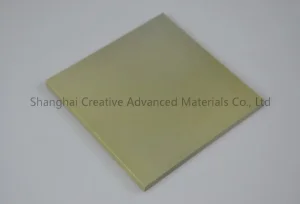
In the processing of Silicon Carbide (SiC), grain growth control is critical. By introducing sub-micron boron and carbon dopants as sintering aids, pressureless densification is completed above 2100°C without sacrificing the extreme mechanical hardness of the crystalline lattices. For structural parts requiring absolute hermeticity and maximum flexural strength, HIP is applied to compress residual closed pores down to <0.1% volumetric density. Simultaneously, for next-generation sputtering targets like Tungsten Titanium (WTi) and Magnesium Zinc Oxide (MgZnO), our fabrication lines maintain solid-phase diffusion profiles, preventing intermetallic phase segregation and preserving uniform target chemistry during reactive sputter runs.
SCA does not merely supply raw shapes; we co-design holistic engineering systems to tackle the complex stressors of diverse macro-verticals:
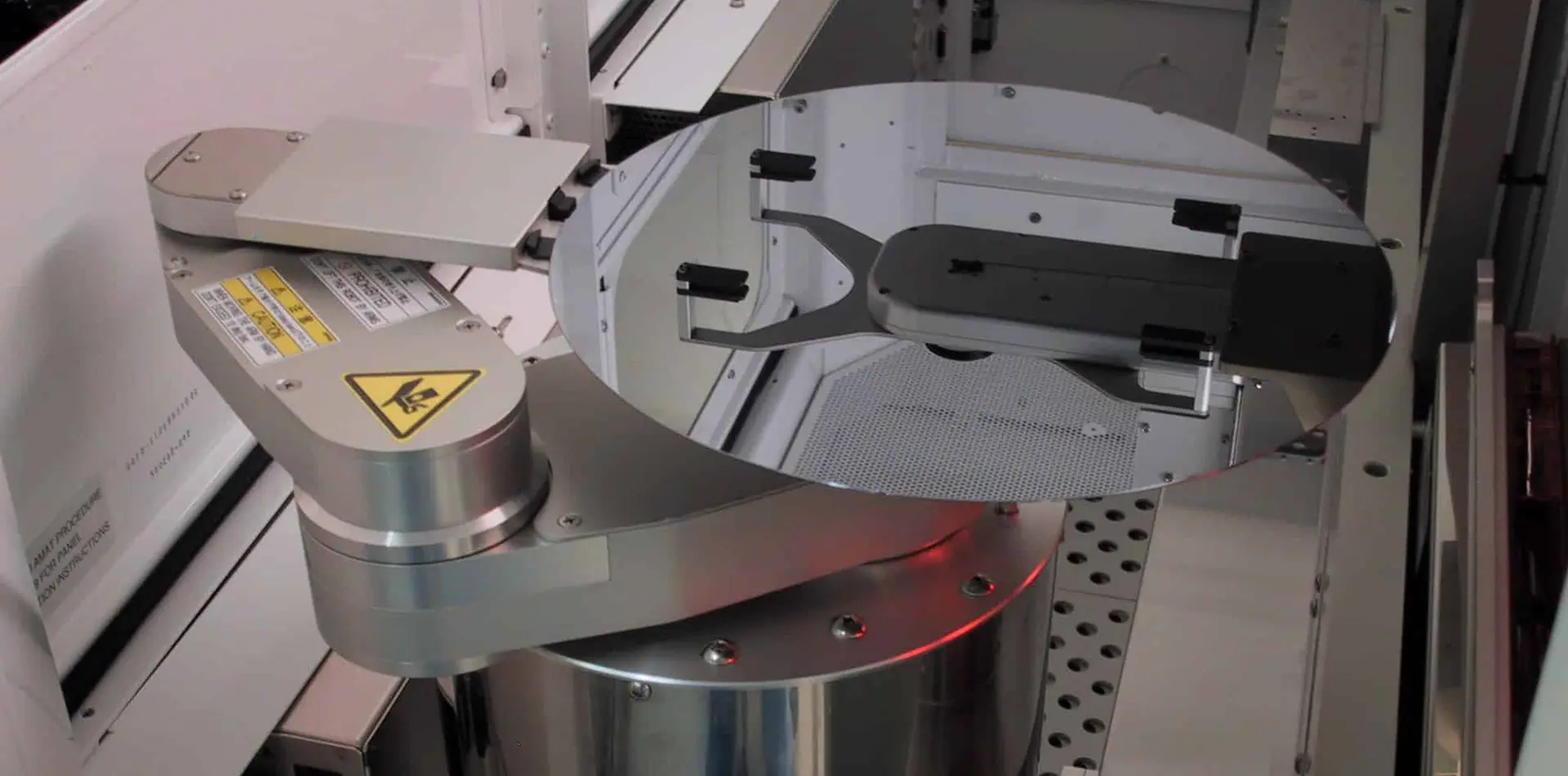
Components inside wafer etching and PVD chambers must withstand fluorine and chlorine gas plasma. Our metallized alumina and ultra-pure silicon carbide rings and gas distribution plates prevent particulate shedding and chamber downtime.
In nuclear technology, Gadolinium Oxide (Gd₂O₃) and Boron Carbide (B₄C) are utilized for control rods and shielding. These materials exhibit exceptionally high thermal neutron absorption cross-sections, providing safe and reliable power regulation.
B₄C armor plates feature supreme hardness, absorbing the kinetic energy of supersonic projectiles. Al₂O₃ shields provide balanced, cost-effective armor matrices for heavy vehicles and rotary aviation.
Delivering advanced technical components across geopolitical lines requires strict adherence to international standardizations. To guarantee plug-and-play capability at global wafer fabs and aerospace hubs, SCA guarantees raw material traceability and end-to-end documentation. Our facility operates under ISO 9001:2015, ISO 14001, and ISO 45001 management protocols. Additionally, all processed ceramic components and sputtering targets undergo analytical validation: impurities are monitored down to parts-per-million (ppm) levels via ICP-MS, and structural defects are scanned using non-destructive ultrasonic testing (NDT).
Compliance documentation, including RoHS and REACH declarations, certificates of analysis (CoA), and crystalline phase maps generated through X-ray Diffraction (XRD), accompany every shipment. This rigorous documentation ensures seamless integration and quality assurance for clients in North America, Europe, and the Asia-Pacific region.
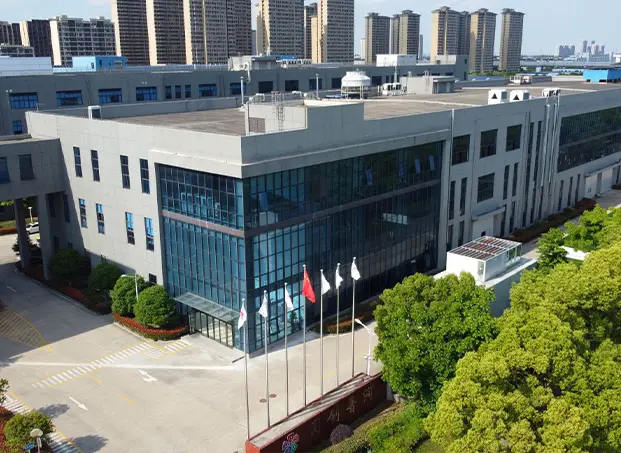
Shanghai Creative Advanced Materials Co., Ltd. (SCA), situated inside the Shanghai Industrial Comprehensive Development Zone, is a pioneering high-tech enterprise dedicated to advanced ceramic materials. Our primary capabilities include the synthesis and fabrication of semiconductor ceramic targets, powder metallurgy targets, structural/functional ceramic components, polymer materials, and core neutron absorption shields. By combining deep material design and state-of-the-art forming lines, we specialize in solving key material issues for clients operating under extreme conditions.
Full-process data tracing with serial tracking for every unit.
Tailored grain boundary optimization and precision CAD machining.
From chemical synthesis of raw powders to micro-machining, we enforce strict tolerances at every step of manufacturing.
Purity checking, particle-size distribution mapping, and chemical composition analysis to guarantee powder consistency before processing.
Slurry concentrations and organic binders are blended uniformly in spray dryers to yield spherical, free-flowing granulated powders.
Using high-tonnage automated uniaxial presses and cold isostatic presses (CIP) to forge green bodies with uniform density.
Employs pressureless sintering, hot pressing (HP), and reaction sintering in controlled atmosphere furnaces up to 2200°C.
Imported CNC grinding centers, ultrasonic machining tools, and diamond wire saws drill holes and machine dimensions down to micron-level tolerance.
Validation of dimensions on high-accuracy CMM machinery. Mechanical testing includes three-point flexural strength and density calculations.
Parts undergo specialized wet chemical cleaning inside class-100 cleanroom zones to eliminate surface ionic elements.
Double vacuum sealing prevents oxidation and environmental contaminants during ocean, rail, or air transit.
SCA’s production facility integrates advanced automation, process sensors, and data analytics to optimize raw material usage, improve processing yields, and lower energy consumption per kilogram produced. This optimization enables us to offer competitive pricing on functional ceramic components and thin-film targets while maintaining high material quality and consistency.
Through strategic partnerships with key mineral suppliers in China, we secure consistent access to high-purity rare earth oxides, tungsten, and silicon carbide precursors. This stable supply chain buffers our production lines from international material volatility, ensuring reliable production schedules and consistent pricing for long-term contract partners. Additionally, our dual-production lines in Shanghai facilitate flexible scheduling, allowing us to pivot between small R&D batches and mass production runs of thousands of units with minimal setup time.
For international supply chain managers and technical engineers, sourcing functional ceramic materials involves analyzing cost, performance, and reliability. SCA addresses these needs through structured engineering support. Rather than providing off-the-shelf parts, our engineers consult on materials and geometry during the initial design phase. This collaboration helps prevent catastrophic component failures caused by mismatched coefficients of thermal expansion (CTE) or localized thermal stress concentrations.
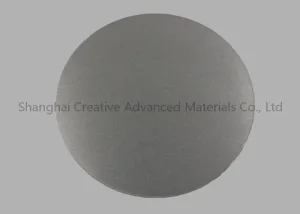
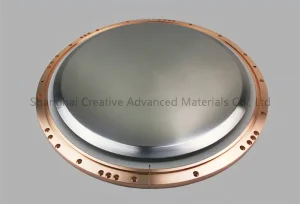
In addition, we offer customized bonding services for sputtering targets. Using high-purity indium or elastomer agents, we bond targets to copper backing plates, verifying thermal conductivity and adhesion strength. This ensures our targets can withstand the high power densities of modern sputtering chambers without cracking or debonding.
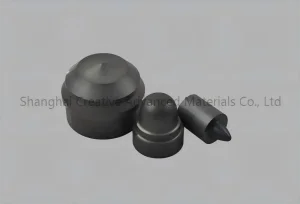
Silicon Carbide (SiC) stands out for its high hardness, excellent thermal conductivity, and outstanding resistance to chemical corrosion. Sintered SiC components are extensively used in semiconductor wafer supports, chemical mechanical planarization (CMP) conditioning rings, and high-temperature furnace liners. Its high thermal shock resistance allows it to withstand rapid, extreme temperature changes without structural damage.
SCA’s pressureless-sintered and reaction-bonded SiC parts offer excellent wear and corrosion resistance in aggressive environments. These properties make them highly suitable for mechanical seal faces, high-temperature nozzles, and components exposed to abrasive slurries or high-velocity fluid flows.
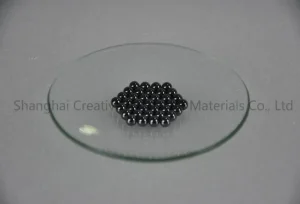
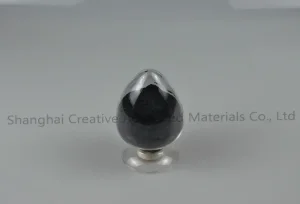
Commonly referred to as the "Black Diamond," Boron Carbide (B₄C) is one of the hardest synthetic materials available. Its high hardness makes it a standard material for ballistic armor plates, high-efficiency sandblasting nozzles, and precision grinding media. In nuclear engineering, the high neutron absorption cross-section of boron isotopes makes B₄C a key material for shielding and control elements.
SCA utilizes advanced hot-pressing sintering methods to produce B₄C components with high density, strength, and structural integrity. These components are designed to withstand extreme abrasive environments and high radiation fields without degradation.
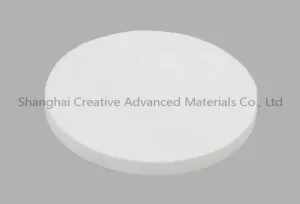
Alumina (Al₂O₃) is a widely used advanced ceramic material, valued for its high dielectric strength, thermal conductivity, and resistance to chemical corrosion. It serves as a key material for electrical insulators, sensor housings, and wear-resistant components. In high-vacuum systems, the low outgassing rate of high-purity alumina helps maintain system vacuum levels.
SCA manufactures alumina ceramics with purities ranging from 95% to 99.8%. This enables us to tailor electrical insulation, thermal dissipation, and wear resistance to meet the specific requirements of various applications.
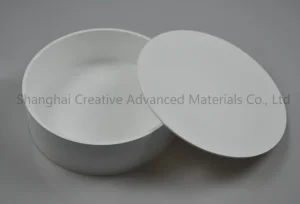
Boron Nitride (BN) is a unique ceramic material that combines excellent electrical insulation with high thermal conductivity. Often called "White Graphite," hexagonal BN is easily machined into complex shapes and features a low coefficient of friction. It remains chemically inert at high temperatures, making it suitable for high-temperature crucibles and metal-casting molds.
SCA’s hot-pressed Boron Nitride ceramics are widely used in vacuum furnaces, ion implanters, and plasma arc cutting systems. They provide reliable thermal management and electrical isolation in demanding environments.
Addressing the technical challenges and material considerations of global procurement teams and engineers.
Stay informed on development trends, sintering research, and industry developments from SCA’s technical team.
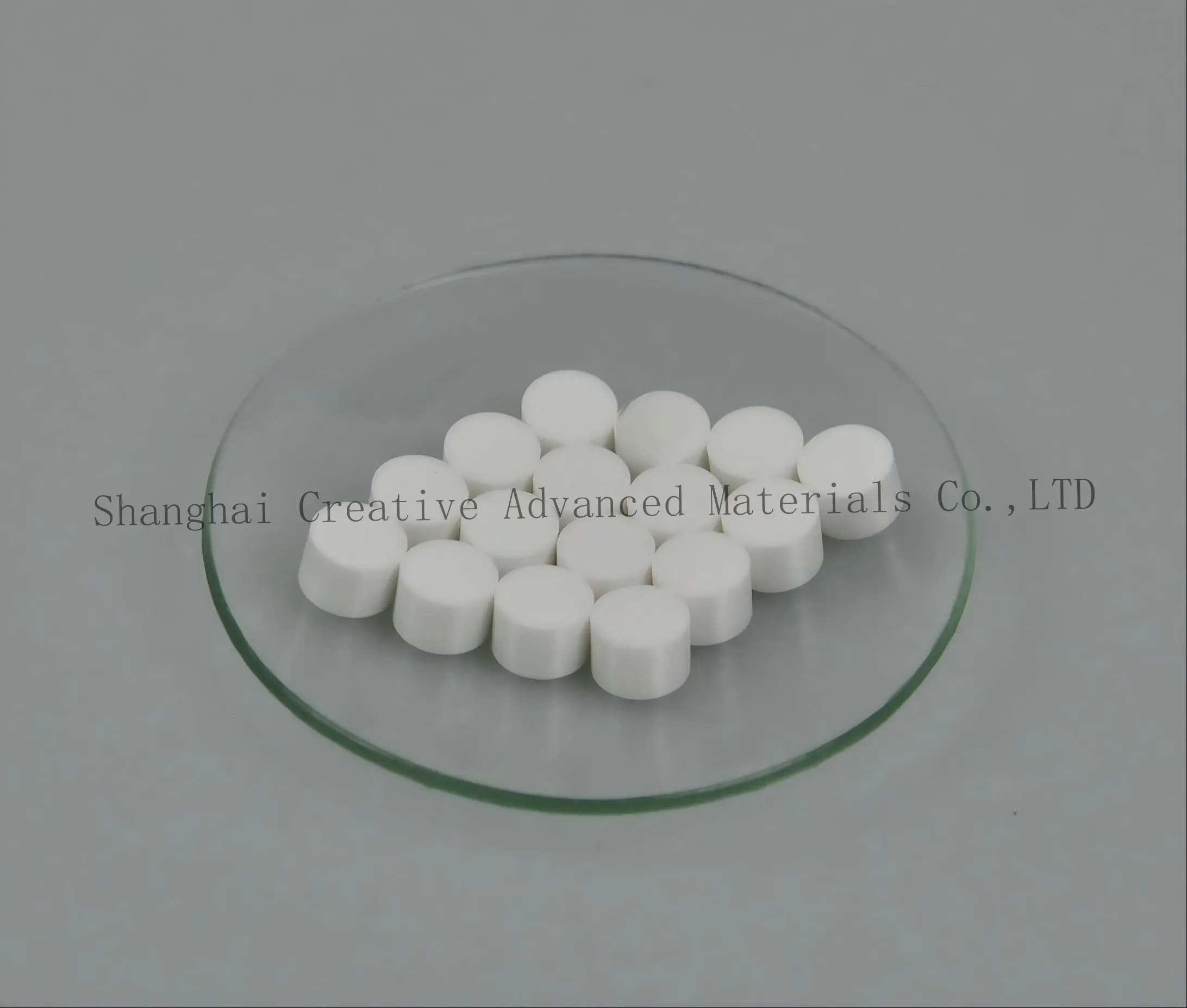
Advanced sintering technologies are driving progress in China's zirconia ceramic industry, improving mechanical properties and thermal stability for high-precision components.
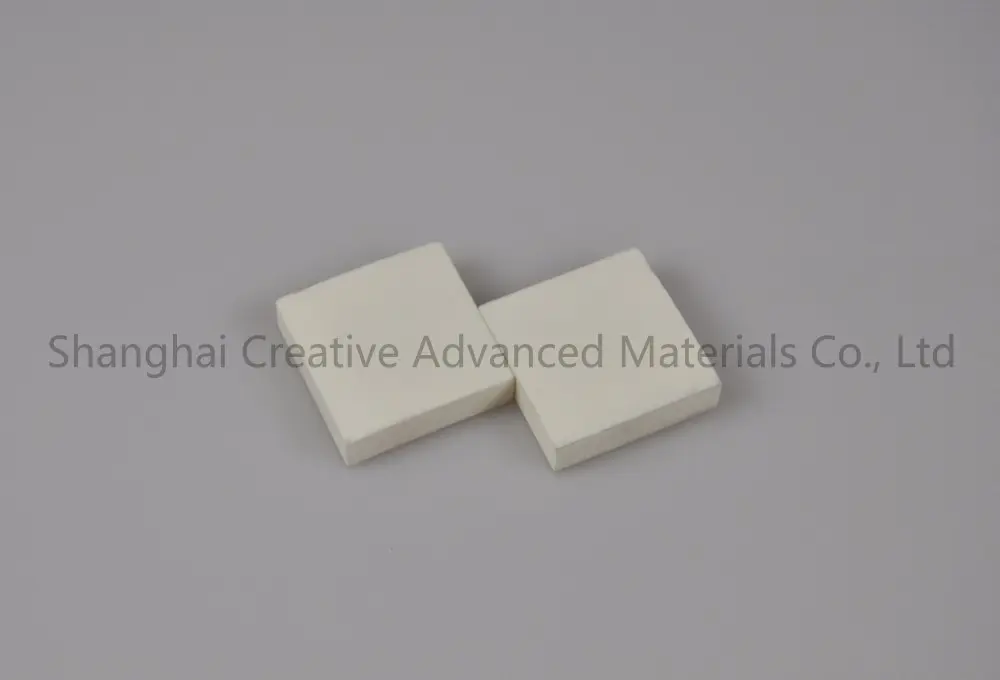
Our ongoing research into grain boundary structures and micro-porosity control supports the development of ceramics with enhanced wear and thermal resistance.
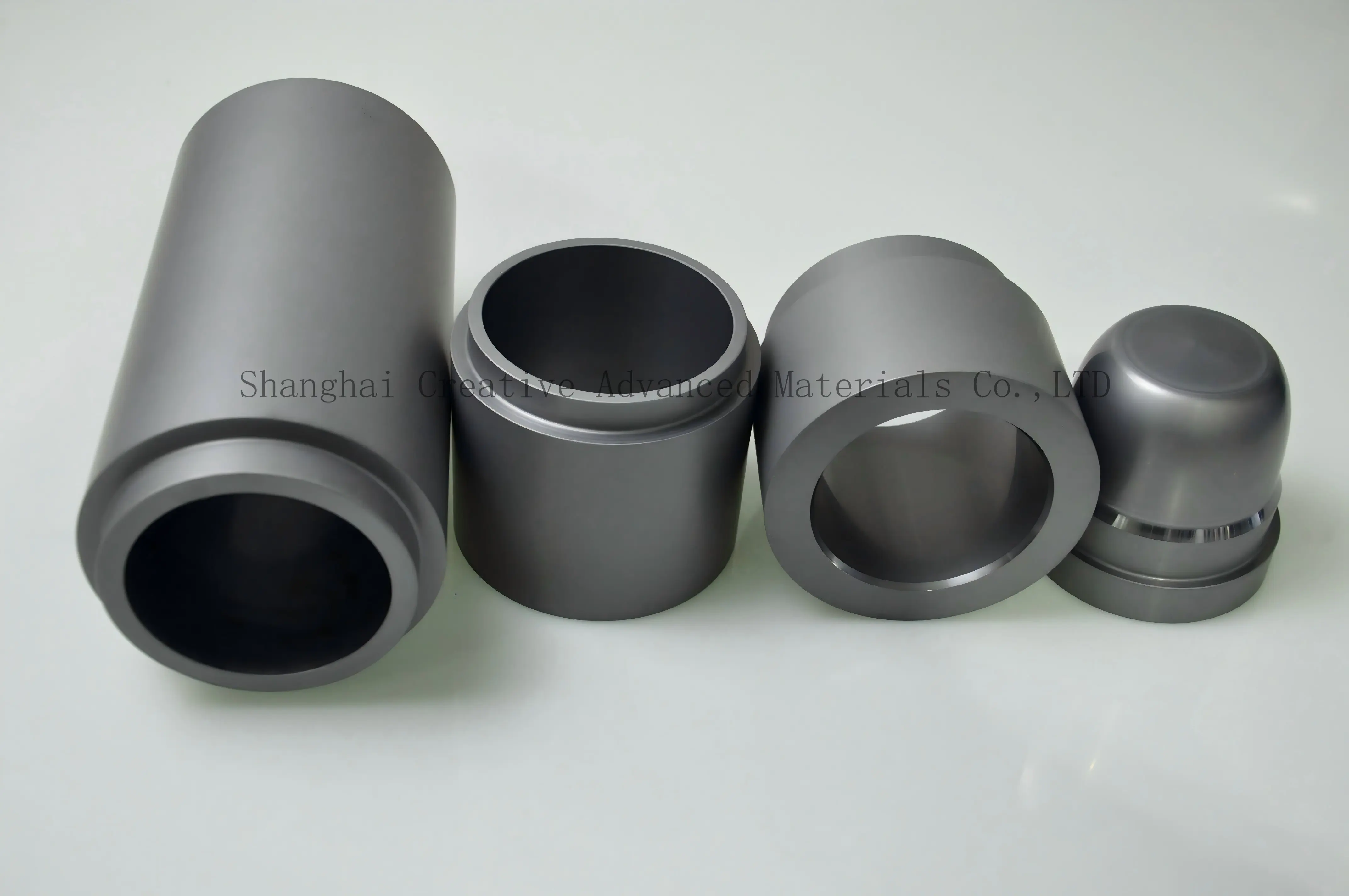
Evaluating the benefits of pressureless sintering for complex geometries, emphasizing cost-efficiency, material density, and mechanical reliability.
Explore our range of customized ceramic materials designed for demanding thermal, electrical, and wear-resistant applications.