Explore our key industrial ceramic powders and physical vapor deposition (PVD) source materials optimized for Thai semiconductor, industrial coating, and electronic manufacturing sectors.
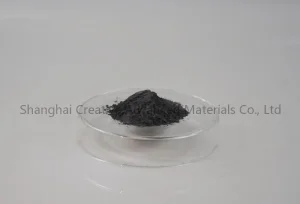
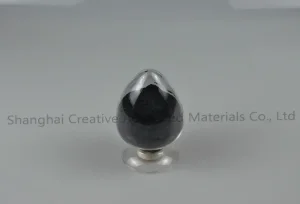
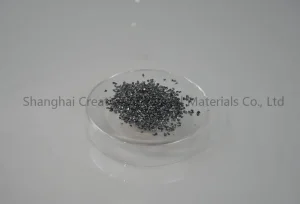
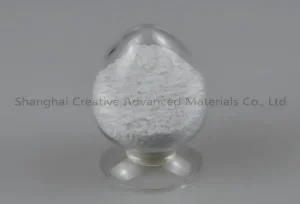
Thailand has rapidly shifted from a conventional manufacturing base to a sophisticated high-tech industrial hub in Southeast Asia. This growth is heavily driven by the government's Eastern Economic Corridor (EEC) initiative, which prioritizes smart electronics, automotive components (particularly Electric Vehicles), aerospace, and renewable energy sectors. These next-generation industries rely significantly on advanced structural ceramics, high-purity ceramic powders, and PVD sputtering targets.
In electronics manufacturing regions like Chonburi, Rayong, and Ayutthaya, semiconductor packaging, cleanroom machinery components, and precision sensor systems operate under extreme conditions. They require materials that offer exceptional heat dissipation, superior electrical insulation, high hardness, and chemical resistance. Advanced powders such as Silicon Carbide (SiC), Boron Carbide (B₄C), and Alumina (Al₂O₃) serve as the foundation for manufacturing the high-durability components used in these demanding production processes.
Industrial applications in Thailand demand ceramic powders that meet strict physical and chemical criteria. The key factors that determine performance include:
As a leading Chinese advanced materials manufacturer, Shanghai Creative Advanced Materials Co., Ltd (SCA) combines raw material supply security, advanced refining technology, and strategic logistics to deliver substantial value to businesses in Thailand. Sourcing from our facility provides several key operational and commercial advantages:
We manage the entire production cycle from high-grade raw mineral purification to final processing, ensuring consistent material quality and supply stability.
We tailor particle size distribution, crystal phases, and purity levels to match your specific production machinery and thermal requirements.
Take advantage of quick maritime shipping from Shanghai port to Bangkok/Laem Chabang, with zero-tariff trade options under the China-ASEAN Free Trade Agreement.
By partnerning with SCA, Thai manufacturers and multinational enterprises operating in Thailand can secure a reliable supply of premium-grade powders and ceramic components at competitive price points, reducing dependency on volatile Western supply chains.
A comprehensive technical comparison of our primary industrial ceramic compounds, highlighting their performance strengths across different applications.
| Ceramic Material | Chemical Formula | Knoop Hardness (GPa) | Thermal Conductivity (W/m·K) | Max Operating Temp (Vacuum, °C) | Primary Applications in Industry |
|---|---|---|---|---|---|
| Boron Carbide | B₄C | 29 - 35 | 30 - 40 | ~1900 | Industrial sandblasting, military armor, nuclear control rods, semiconductor abrasives |
| Silicon Carbide | SiC | 22 - 28 | 120 - 200 | ~1650 | Precision components, semiconductor processing kits, high-temperature heat exchangers, wear rings |
| Alumina | Al₂O₃ | 15 - 20 | 25 - 35 | ~1700 | Substrates, mechanical seals, laser components, electronic insulators, wear-resistant tiles |
| Boron Nitride | BN | 0.5 (Hexagonal) / 45 (Cubic) | 30 - 60 (Hexagonal) | ~2000 | Crucibles, high-temperature furnace insulation, release agents, semiconductor dopants |
Detailed performance parameters and specific industrial applications of our main advanced ceramic materials.

Commonly referred to as "black diamond", Boron Carbide is one of the hardest synthetic materials in existence. Beyond its mechanical strength, it exhibits high neutron absorption capability, making it critical for radiation shielding and nuclear safety systems. In industrial settings, B₄C powder is used for precise ceramic components, sandblasting nozzles, military vehicle armors, and semiconductor wafer grinding.
Silicon Carbide is a high-hardness compound of silicon and carbon, offering exceptional thermal conductivity, low thermal expansion, and excellent resistance to chemical corrosion. It is widely used to manufacture precision structural components for semiconductor lithography and wafer processing equipment, refractory components, high-wear industrial nozzles, and specialized armor systems.
Alumina is the most widely utilized oxide ceramic, valued for its electrical insulation, mechanical strength, and wear resistance at high temperatures. Al₂O₃ powders and sintered components are standard in semiconductor wafer handling systems, kiln furniture, wear-resistant linings, and protective engineering plates.
Known for its thermal stability and chemical inertness, Boron Nitride does not react easily with most inorganic acids or molten metals. It serves as an effective electrical insulator with high thermal conductivity, making it ideal for high-temperature crucibles, aircraft propulsion nozzles, and heat-sink components in modern electronics.
Established in the Shanghai Industrial Comprehensive Development Zone, Shanghai Creative Advanced Materials Co., Ltd (SCA) is a high-tech manufacturer specializing in the research, development, and production of semiconductor ceramic targets, powder metallurgy targets, and high-performance ceramic components.
Over nearly two decades, we have built a reputation for material consistency, innovative processing techniques, and reliable customer service. We support global clients across a variety of demanding sectors, including semiconductor manufacturing, solar photovoltaics, flat panel displays, and aerospace engineering.
Our facility holds certifications for international quality management systems, allowing us to provide detailed material traceability from raw powder preparation to final sintered parts.
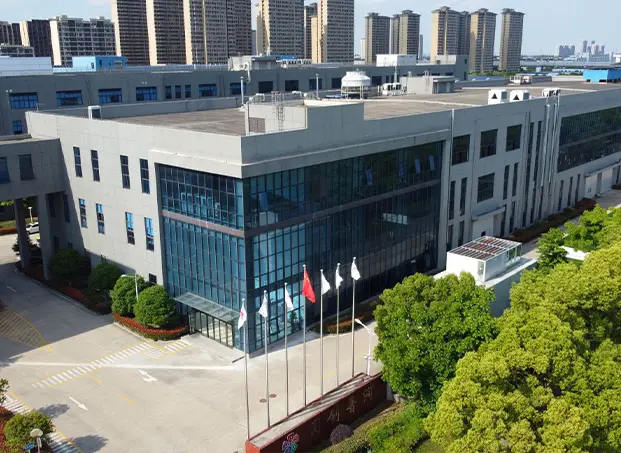
We maintain strict quality control protocols across all manufacturing phases, ensuring our materials meet the high performance and purity standards required by our customers.
We verify the purity, particle size, and chemical composition stability of all incoming powders to establish a consistent production foundation.
We control slurry concentration and composition uniformity, clean equipment regularly, and monitor particle size distribution and loose tap density.
We use automated pressing machinery to mold green compacts, ensuring consistent density and shape before sintering.
We utilize various high-temperature sintering methods, including hot pressing, pressureless sintering, reaction sintering, and hot isostatic pressing.
Our facilities are equipped with imported grinding, milling, and wire cutting equipment to achieve tight dimensional tolerances.
We evaluate physical dimensions and mechanical properties using CMM equipment, density testers, and ultrasonic non-destructive testing.
We operate cleanroom cleaning lines and dust-free packaging areas to prevent surface contamination prior to shipment.
We partner with leading global freight carriers to handle export customs clearance and deliver materials safely to international destinations.
Advanced ceramics play a critical role in solving design and wear issues across several demanding modern industries:
In thin-film deposition and plasma etching chambers, components are exposed to highly reactive gases and high RF voltages. Ceramic components made from high-purity Silicon Carbide (SiC) and Silicon Nitride (Si₃N₄) provide the necessary resistance to plasma erosion and thermal shock, protecting wafers from particle contamination.
Thailand's automotive sector is transitioning toward EV manufacturing. Power electronics inside EVs operate at high currents and temperatures, requiring efficient heat dissipation. Substrates made from Alumina (Al₂O₃) and Silicon Nitride (Si₃N₄) offer the high thermal conductivity and electrical isolation required for these electrical systems.
Due to its high hardness and low density, Boron Carbide (B₄C) is used to manufacture ceramic body armor and vehicle armor plates. These ceramic armors shatter incoming projectiles, absorbing kinetic energy and providing lightweight protection for military personnel and vehicles.
Modern tools and components rely on thin-film coatings to extend their operational lifespan. Using physical vapor deposition (PVD) targets, manufacturers can deposit wear-resistant coatings (such as titanium nitride or chromium nitride) on cutting tools, engine parts, and consumer electronics to reduce friction and improve durability.
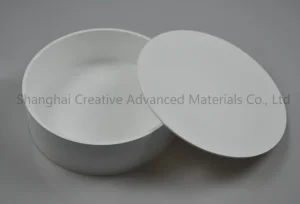
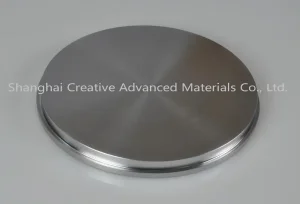
Select from our comprehensive line of advanced targets and engineered ceramic parts, manufactured to strict purity and dimensional tolerances.
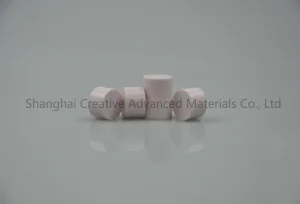
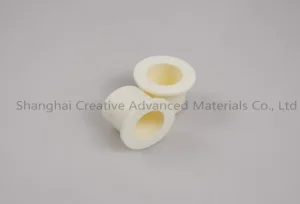
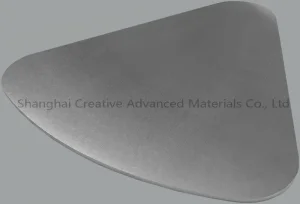
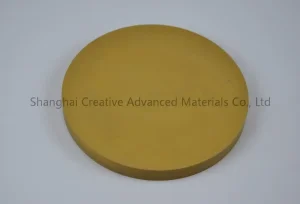
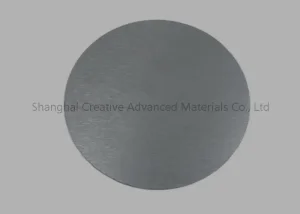
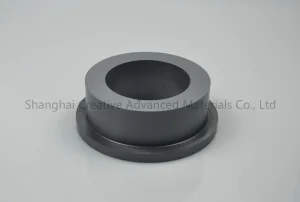
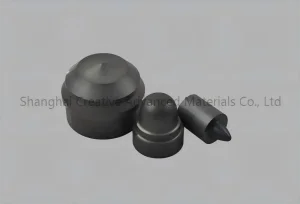
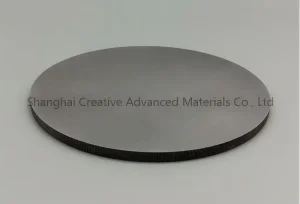
We also supply custom boron nitride fixtures, high-precision zirconia parts, and specialized iron cobalt tantalum alloys for specialized manufacturing environments.
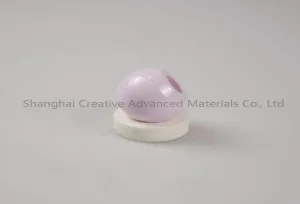
Read our latest articles on sintering technologies, zirconia industry developments, and material optimization for high-performance applications.
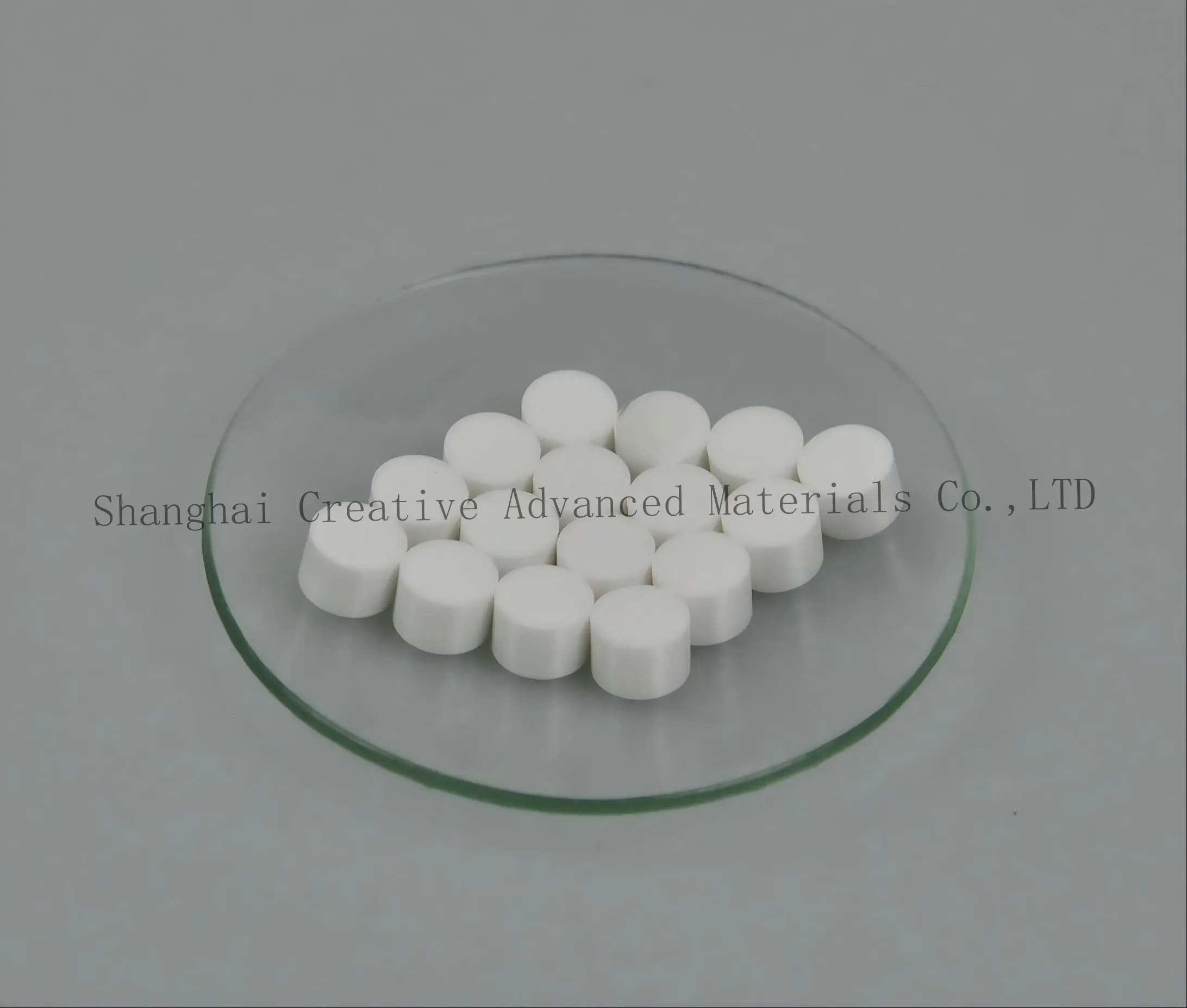
How localized sintering technologies are driving quality improvements and cost efficiencies in the Chinese advanced zirconia industry.
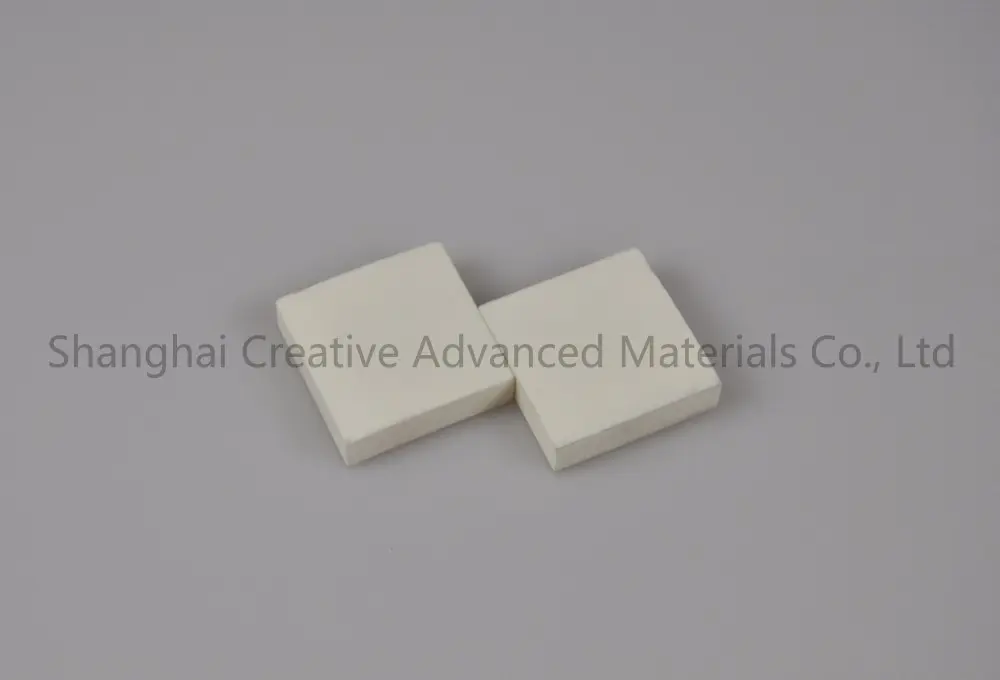
Analyzing key structural factors that impact density, mechanical properties, and grain growth during high-temperature ceramic processing.
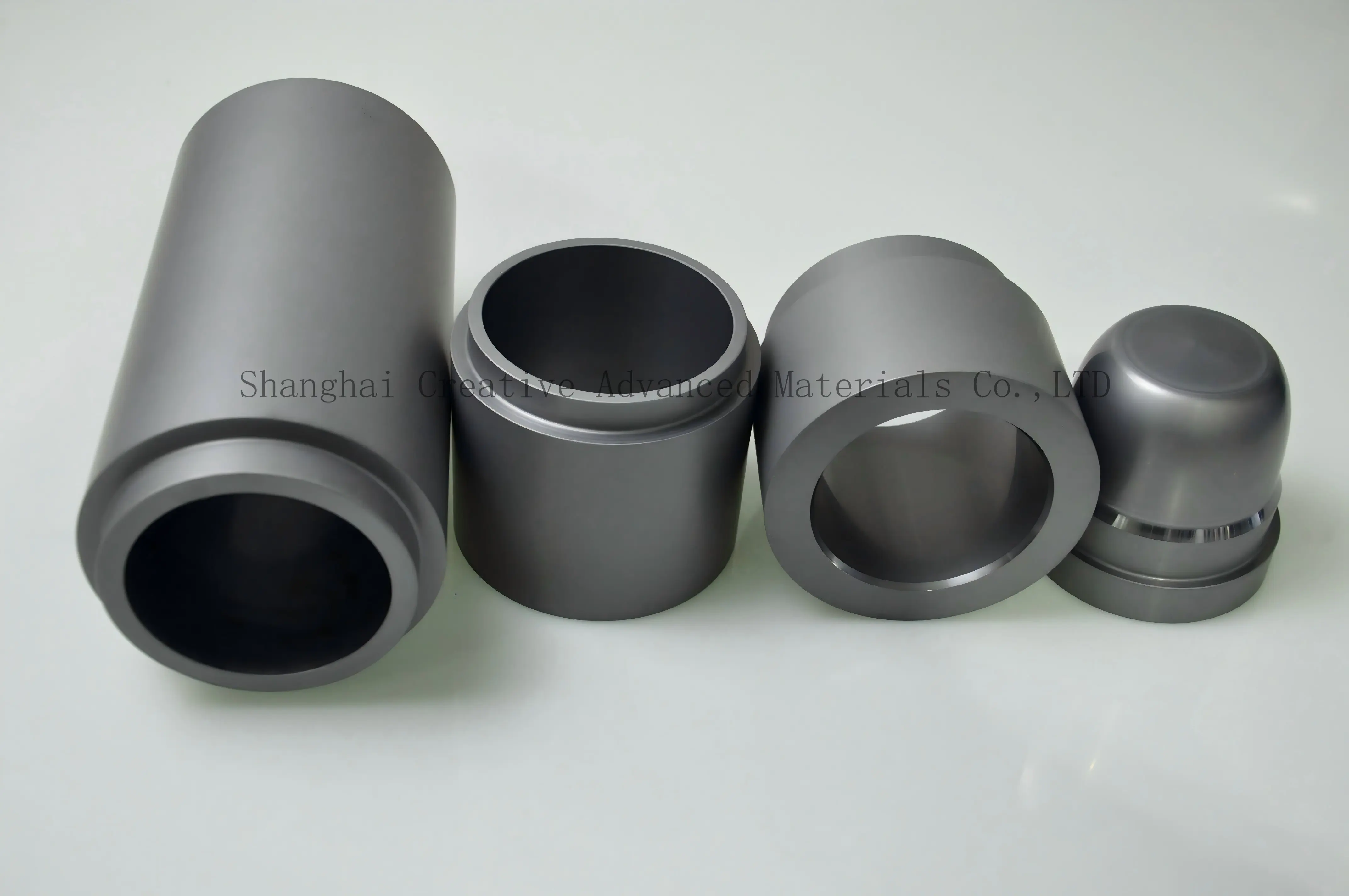
An examination of how pressureless sintering enables the cost-effective production of complex silicon carbide and silicon nitride structural parts.
Answers to common questions regarding advanced ceramic materials, logistics to Thailand, and custom manufacturing options.
Our standard industrial powders feature purity levels ranging from 98.5% to 99.9%. For demanding semiconductor and optical applications, we can customize parameters to supply ultra-high-purity grades that meet specific metal impurity restrictions.
Yes. We operate a complete CAD/CAM-integrated machining facility equipped with CNC grinders, millers, and wire-cutting machinery. We regularly manufacture complex custom components, such as valve seats, semiconductor rings, and nozzles, to match our clients' design drawings and dimensional tolerances.
For standard stocked materials, shipment from our Shanghai facility to Thai ports (such as Laem Chabang or Bangkok) typically takes 7 to 10 days. For custom-machined ceramic parts, production and delivery schedules depend on complexity and volume, generally ranging from 4 to 8 weeks.
Yes. Every batch of powder or finished ceramic component goes through our internal quality control department. We can provide complete traceablity reports, including material test certificates (MTC), particle size analyses, density measurements, and dimensional inspection sheets.