Explore our leading high-performance advanced ceramic components configured to meet the rigorous specifications of manufacturing plants across Monterrey, Querétaro, and El Bajío.
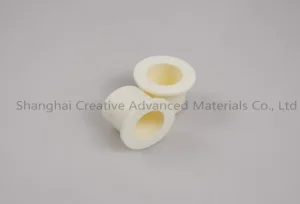
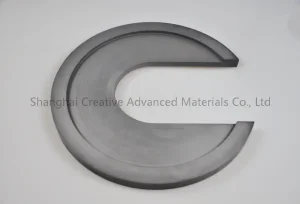
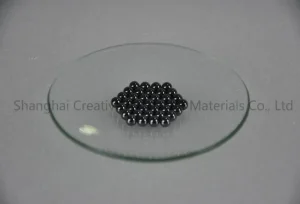
Mexico is currently experiencing a historic manufacturing transformation. Driven by the global nearshoring boom, multinational enterprises are rapidly shifting production facilities to Mexican states such as Nuevo León, Querétaro, Coahuila, and San Luis Potosí. This macro-economic realignment is heavily anchored by the automotive, aerospace, medical device, and semiconductor industries. As these advanced engineering sectors scale, they demand structural components that can withstand extreme environments—specifically involving high thermal stresses, abrasive chemical interactions, and extreme mechanical friction.
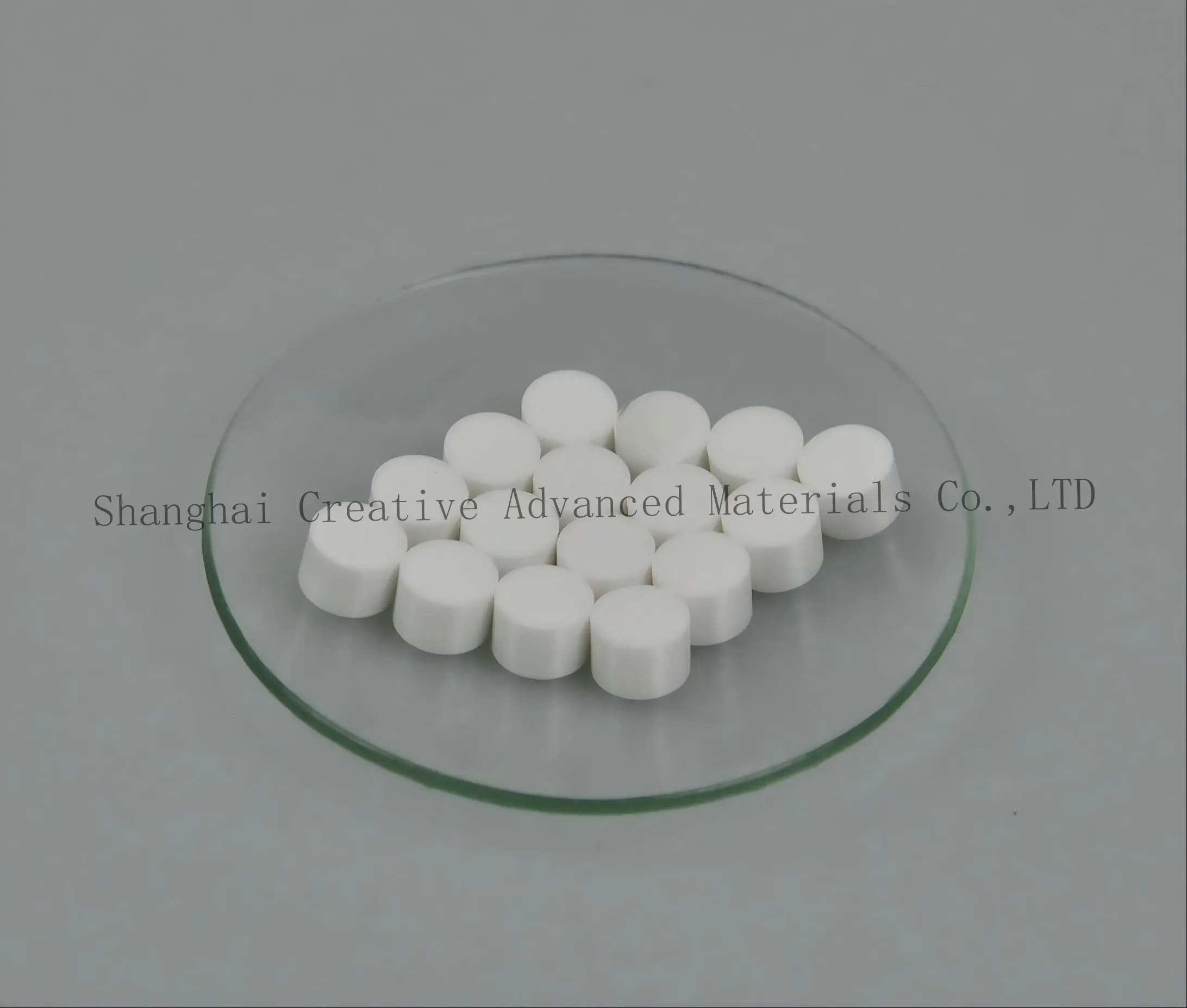
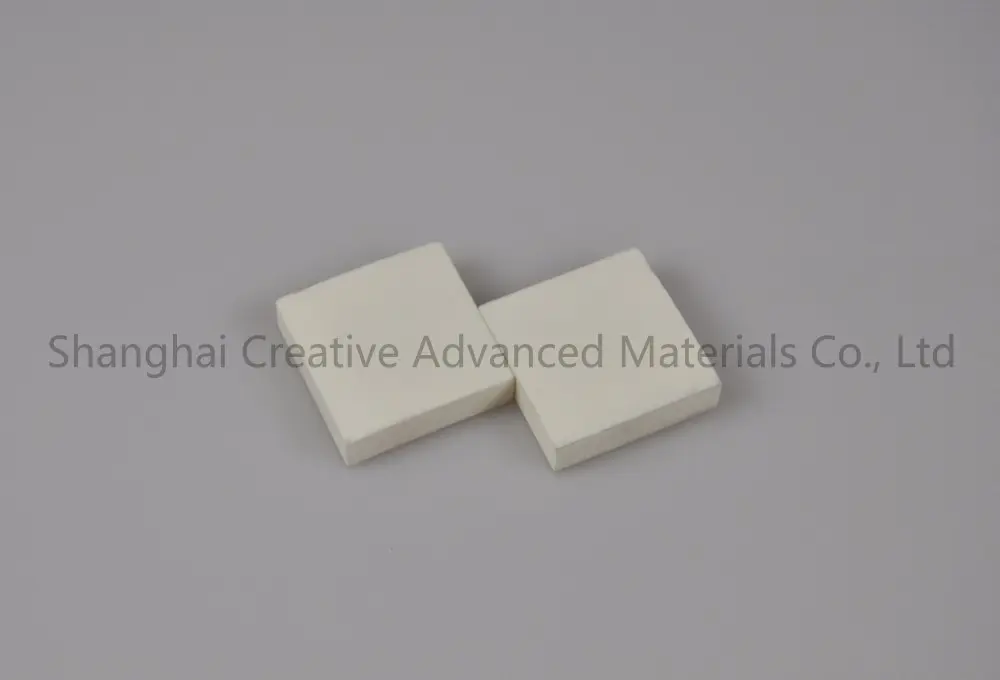
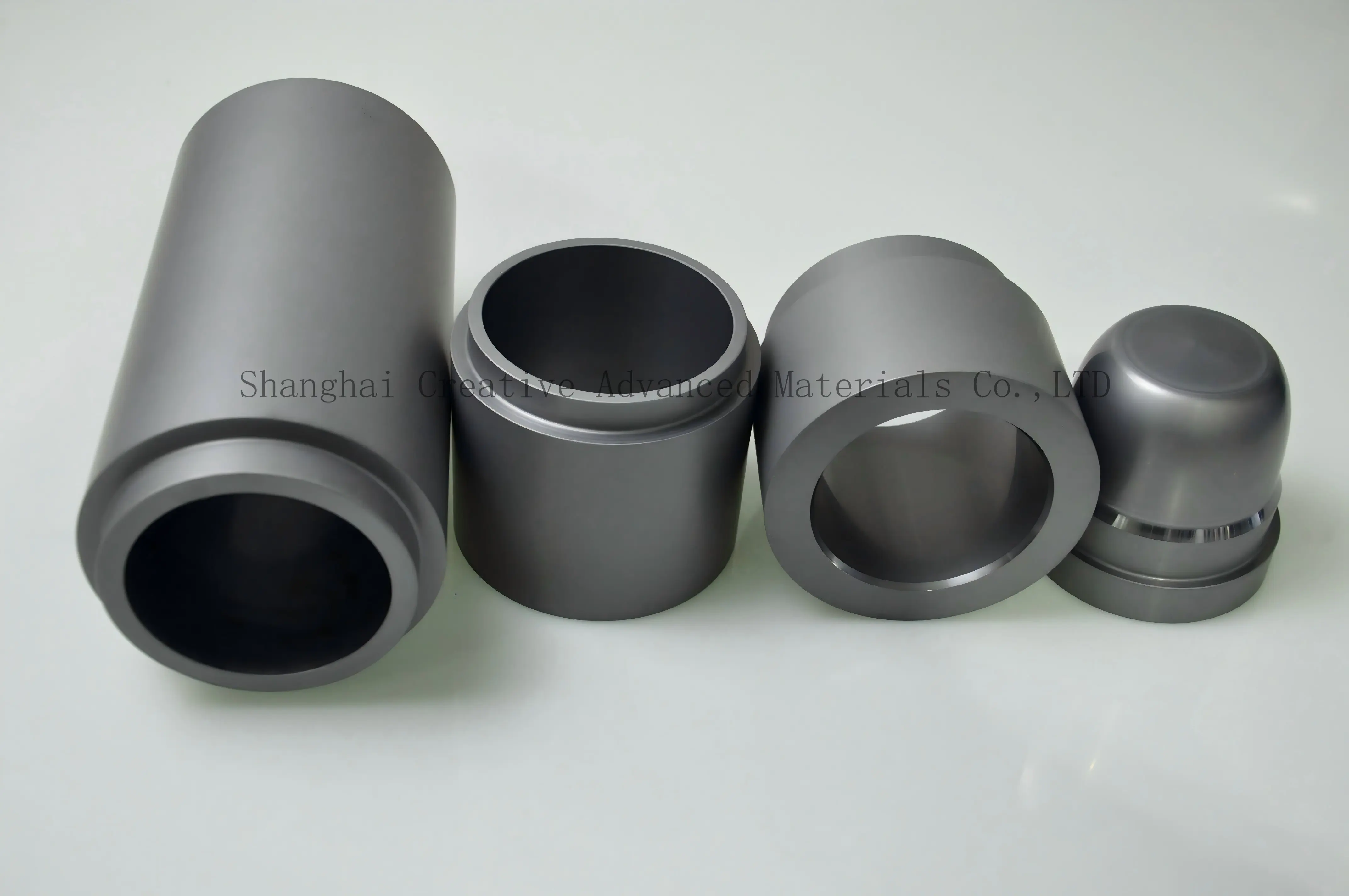
Traditional metal alloys are increasingly failing to meet the operational lifetimes required by modern high-throughput manufacturing processes. In response, advanced technical ceramics, such as Silicon Carbide (SiC), Alumina (Al₂O₃), Silicon Nitride (Si₃N₄), and Zirconia (ZrO₂), have emerged as indispensable materials. Their unique atomic bonding yields unparalleled hardness, exceptional dielectric properties, and corrosion immunity, ensuring that production machinery achieves maximum uptime in Mexican automotive assembly lines and aerospace component manufacturing facilities.
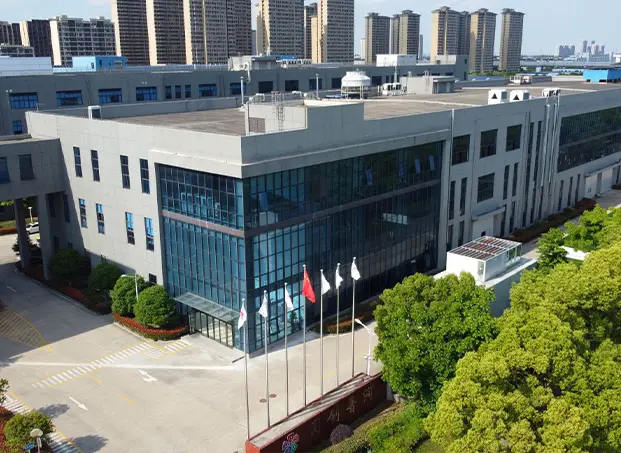
Shanghai Creative Advanced Materials Co., Ltd. (SCA), situated within the Shanghai Industrial Comprehensive Development Zone, stands as a global leader in high-performance materials. Over nearly two decades, we have integrated raw material synthesis, precision molding, and diamond-grinding finishing into a cohesive production model. Our specialization includes high-purity semiconductor ceramic targets, custom structural ceramic components, high-density powder metallurgy targets, and neutron absorption materials utilized in demanding nuclear applications.
Through rigorous material control and advanced sintering processes (including hot pressing, pressureless, and reaction sintering), we deliver industry-standard solutions to global customers. We offer complete transparency, providing mill test certificates, CMM dimensional reports, and raw material purity tests for every shipment sent to Mexican logistics gateways.
Contact Our Technical EngineersSelect the correct ceramic compound optimized for your facility's temperature, chemical resistance, and stress profiles.
Extremely high hardness (second only to diamond). Features low density, high thermal stability, and exceptional resistance to acidic or basic corrosion. Additionally, it has a high neutron absorption cross-section, making it essential for critical applications.
Abrasive sandblasting nozzles, bulletproof military armoring, and nuclear shielding plates.
Outstanding thermal conductivity, high wear resistance, low thermal expansion coefficient, and superior thermal shock resistance. Retains high strength at temperatures exceeding 1400°C.
Mechanical pump seals, kiln furniture, chemical valve components, and semiconductor wafer supports.
High electrical insulation, mechanical strength, and wear resistance. Chemically inert and cost-effective across various sizes. Purity ranges from 95% up to 99.8% for ultra-clean electronics processing.
Automotive sensor housings, furnace tubes, electrical feedthroughs, and wear-resistant chute liners.
Easily machinable to precise tolerances. Provides exceptional thermal shock resistance, high dielectric strength, and is non-wetting to most molten metals (non-reactive).
Crucibles for high-purity metal casting, semiconductor processing insulation, and glass manufacturing molds.
We monitor each phase of manufacturing to guarantee structural integrity, dimension repeatability, and ultra-high chemical purity.
Purity, particle size distribution, and chemical stability are strictly tested. We utilize high-purity sub-micron powders to ensure high sintered density and eliminate micro-structural defects.
We control slurry concentration and composition uniformity. The granulated powder is continuously monitored for bulk density and flowability to guarantee consistent mold filling.
Automated hydraulic presses apply uniform multidirectional pressure, ensuring homogeneous density throughout the green body and minimizing distortion during sintering.
Our facility operates hot-pressing (HP), pressureless (PLS), reaction-bonded (RBSiC), and gas-pressure sintering (GPS) furnaces to match specific material requirements.
Equipped with high-precision CNC grinding, diamond tooling, and ultrasonic machining centers to achieve tight tolerances down to ±0.005mm.
Every component undergoes coordinate measuring machine (CMM) dimensional inspection, ultrasonic non-destructive testing, and surface roughness evaluation.
Featuring dedicated cleanrooms, multi-stage ultrasonic chemical baths, and deionized water rinses to remove trace metallic residues prior to vacuum packaging.
We utilize specialized vacuum sealing, shock-absorbent custom packaging, and experienced global logistics partners to deliver safely to Mexican ports of entry.
Procuring ceramic components directly from SCA's state-of-the-art Chinese manufacturing facilities offers a distinct balance of high-volume efficiency, cost control, and engineering precision. China's mature advanced materials ecosystem ensures raw material availability, keeping production costs stable compared to Western suppliers. By choosing SCA, Mexican maquiladoras and global manufacturing operations bypass high markups while gaining direct access to specialized materials engineers.
We facilitate shipping to Mexico through structured trade channels. Whether transporting via sea cargo to Manzanillo or Laredo, or leveraging air freight to Mexico City (MEX), Guadalajara (GDL), or Monterrey (MTY), we optimize delivery timelines. We work directly with customs brokers to supply correct documentation (origin certificates, commercial invoices, packing lists, and detailed harmonized tariff codes HS), facilitating smooth custom clearance under local import regulations.
Select from our comprehensive list of advanced ceramics, sputtering targets, and deposition materials designed to meet the demands of global manufacturing industries.
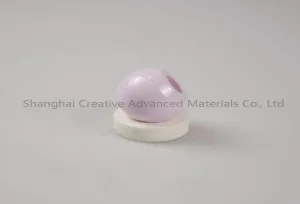
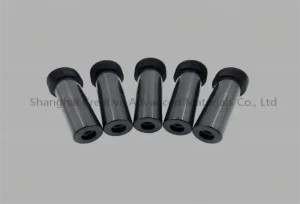
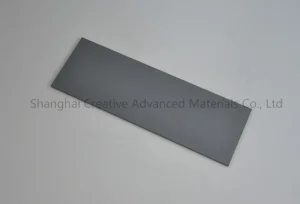
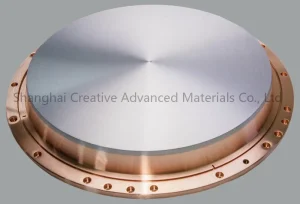
Understanding advanced ceramics requires a close look at material science. At SCA, we align microstructural engineering with thermal stress constraints to produce reliable, high-performance parts. Below is an engineering overview of our primary structural compounds, outlining their physical limitations and typical applications in Mexican manufacturing hubs.
Structural ceramics are characterized by covalent and ionic atomic bonds, resulting in exceptional hardness and resistance to chemical wear. For example, Silicon Carbide (SiC) produced by pressureless sintering achieves a density of ≥3.10 g/cm³, featuring a Vickers hardness of 28 GPa and a thermal conductivity of 120 W/m·K. This combination allows SiC components to distribute heat quickly, reducing localized thermal expansion stresses that cause cracks in high-speed mechanical systems.
By comparison, Alumina (Al₂O₃) is used where electrical isolation and cost efficiency are primary concerns. Our 99.7% pure Al₂O₃ parts offer a dielectric strength of 15 kV/mm and electrical resistivity of >10¹⁴ Ω·cm at room temperature. This makes them highly suitable for thermal insulation barriers and high-voltage feedthroughs used in Tijuana and Ciudad Juárez electronics assembly operations.
For applications prone to high impact and mechanical stress, Yttria-Stabilized Zirconia (YSZ) is often the preferred material. Unlike traditional brittle ceramics, YSZ undergoes phase transformation toughening. When a microcrack propagates, the stress triggers a phase transition from tetragonal to monoclinic. This crystalline shift expands the local grain volume, closing the crack tip and yielding a fracture toughness of 6 to 8 MPa·m^{1/2}.
For high thermal shock conditions, such as molten metal contact or rapid thermal cycling, Silicon Nitride (Si₃N₄) offers reliable performance. With a low thermal expansion coefficient of 3.2 × 10^{-6}/°C and high bending strength (≥800 MPa), Si₃N₄ components can withstand rapid heating and cooling cycles. They are widely used as positioning pins in automotive resistance welding and as cutting tools for aerospace machining in Querétaro's industrial zones.
Read our recent analysis on advanced ceramics engineering, manufacturing optimizations, and global materials trade trends.
An evaluation of how localized sintering technologies and automated grain refinement processes are helping to lower the production costs of high-performance Zirconia components globally.
Optimizing high-temperature sintering parameters is critical for eliminating internal microporosity and microcracks. This process maintains high structural strength in demanding industrial applications.
An engineering review comparing pressureless sintering with reaction bonding. Discover why pressureless sintering yields superior chemical resistance and high-temperature performance.
Find answers to common questions regarding customs clearance, manufacturing tolerances, material selection, and logistics support for Mexican operations.
Contact our materials engineering team today. We provide assistance with material selection, technical drawings, and custom pricing configurations for manufacturing facilities in Mexico.
Send Inquiry Now