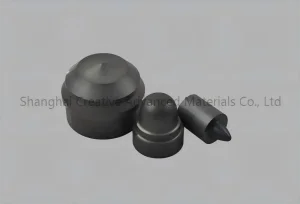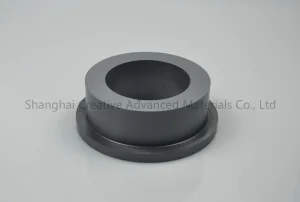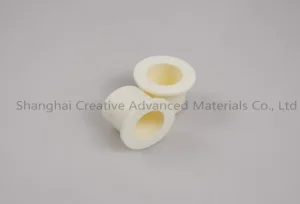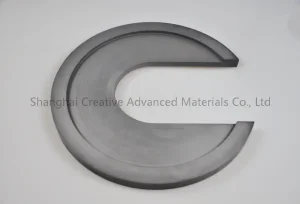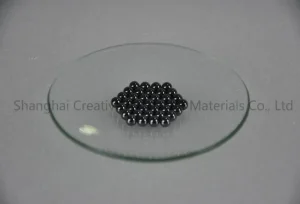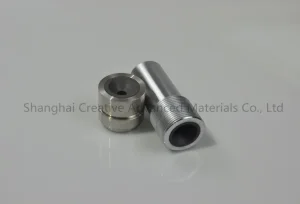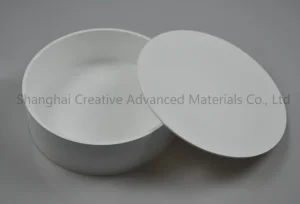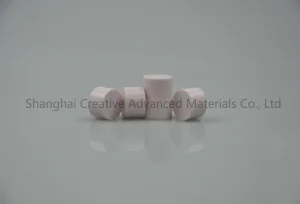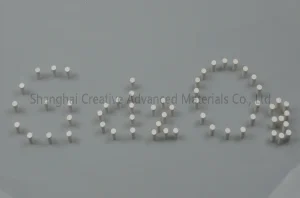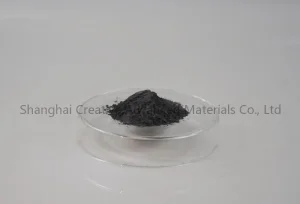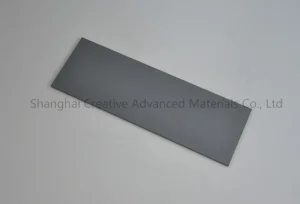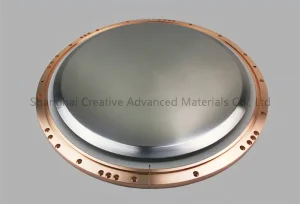
Engineered to withstand extreme abrasive, chemical, and high-temperature environments typical of Azerbaijani petrochemical and heavy industries.
A comprehensive analysis of how engineering ceramics are replacing metals in critical Caspian corridors.
As the industrial hub of the Southern Caucasus, Azerbaijan continues to expand its focus beyond upstream hydrocarbon extraction, investing heavily in downstream petrochemical processing, chemical synthesis at the Sumqayit Chemical Industrial Park, and metallurgy in Ganja. In these environments, traditional metal alloys reach their mechanical limits due to rapid chemical corrosion, hydrogen embrittlement, and intense mechanical abrasion. Structural technical ceramics—primarily Silicon Carbide (SiC), Boron Carbide (B₄C), Alumina (Al₂O₃), and Silicon Nitride (Si₃N₄)—offer an unmatched combination of extreme hardness, thermal stability, and chemical inertness, proving vital for the modernization of the region's heavy infrastructure.
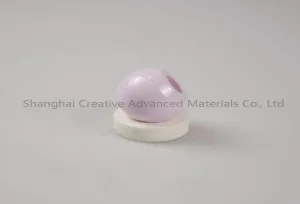
The Caspian Sea oil and gas operations face severe downhole wear. Sand production in subsea extraction wells quickly degrades standard valve seats and flow-control assemblies. By integrating reaction-bonded and unpressurized Silicon Carbide (SiC), operators can extend the lifespan of subsea choke valves up to five times compared to tungsten carbide. In petrochemical refineries operating in Baku, corrosive acidic flow loops degrade piping and nozzle assemblies. The use of sintered Silicon Carbide nozzles and Gadolinium-doped custom ceramic components provides absolute resistance to corrosive attack from sulfur-rich compounds and chloride solutions.
| Ceramic Material | Vickers Hardness (GPa) | Max Operating Temp (°C) | Primary Azerbaijan Application Area |
|---|---|---|---|
| Silicon Carbide (SiC) | 22 - 28 | 1,600 | Subsea choke valves, mechanical seals, and downhole sand-control sleeves. |
| Boron Carbide (B₄C) | 35 - 40 | 1,500 | Industrial sandblasting nozzles, oilfield drilling wear plates, protective shielding. |
| Alumina (Al₂O₃ 99.7%) | 15 - 18 | 1,700 | Electrical insulators for power grids, chemical process lining tiles. |
| Silicon Nitride (Si₃N₄) | 18 - 22 | 1,200 | Gas turbine components, bearings, and non-ferrous metallurgical handling. |
Procuring advanced ceramics for Caspian enterprises requires strict adherence to international standards. As a global manufacturer with over 19 years of research and production expertise, Shanghai Creative Advanced Materials Co., Ltd. ensures full traceability of raw materials to the final product. Every unit is assigned a unique tracking serial number, guaranteeing compatibility with global oil and gas standards (such as API and ASME specifications). For Azerbaijani procurement managers, this eliminates the risk of component failure during high-pressure thermal cycling, reducing costly downtime in critical systems like the Baku-Tbilisi-Ceyhan pipeline pump stations.
Combining decades of material science innovations with global supply solutions.
Established in the Shanghai Industrial Comprehensive Development Zone, Shanghai Creative Advanced Materials Co., Ltd. integrates the research, development, production, and sales of high-performance semiconductor targets, powder metallurgy targets, structural ceramic components, and specialized neutron-absorbing materials.
Our systematic processing workflow guarantees zero-defect structural integrity for critical operations in Azerbaijan.
We test incoming sub-micron powders for particle size distribution, phase purity via XRD, and trace chemical contamination. This ensures long-term consistency in high-wear oilfield applications.
Suspension slurries are processed under controlled thermal parameters to formulate free-flowing, spherical granules, ensuring uniform green density during consolidation.
Forming processes utilize advanced high-pressure CIP systems up to 250 MPa, eliminating interior micro-voids and anisotropic shrinkage deviations.
Sintering routes include Pressureless Sintering (PLS), Hot Pressing (HP), and Reaction Sintering (RBSC), reaching temperatures up to 2200°C under dynamic inert gas environments.
Due to the high hardness of structural ceramics, multi-axis CNC machines equipped with diamond tooling shape the components, achieving tolerances down to ±0.005mm.
Components undergo ultrasonic checking, Coordinate Measuring Machine (CMM) analysis, and thermal shock resistance verification before packaging.
Fast, secure, and compliant logistics channels linking our production centers directly to Baku.
Logistical reliability is critical for continuous production facilities. Shanghai Creative Advanced Materials Co., Ltd. has developed streamlined supply channels to Baku and Sumqayit via the Trans-Caspian International Transport Route (TITR), commonly known as the Middle Corridor. This rail and maritime network bypasses congested sea lanes, reducing transit times to Azerbaijan to under 20 days. We manage all export documentation, custom clearances, and provide certificate-of-conformity documentation for import processing in the Port of Baku (Alat), ensuring that urgent replacement components arrive when needed to prevent unscheduled maintenance shutdowns.
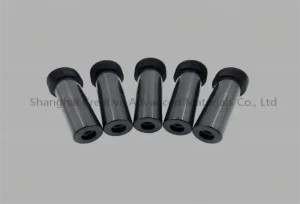
Additionally, we offer customized inventory stocking arrangements for contract partners. Critical ceramic valve cores, sand-control sleeves, and nozzles can be pre-manufactured to custom specifications and stored in our distribution hubs. This ensures immediate dispatch, minimizing shipping times to less than 72 hours for key production systems.
Key technical inquiries addressed by our advanced ceramic engineers.
Explore our full catalog of high-purity structural ceramics and thin-film deposition sputtering targets.
Sputtering targets and high-purity powders for chemical vapor deposition and thermal spray coatings.