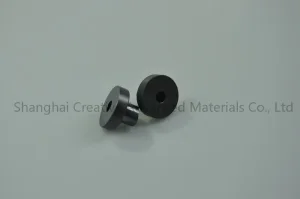
In the modern landscape of high-precision engineering, metal components often reach their physical limits when exposed to corrosive chemicals, abrasive slurries, and extreme thermal fluctuations. This is where Advanced Technical Ceramics emerge as the definitive solution. As a leading China Ceramic Valve Seat Supplier, we specialize in bridging the gap between material science and industrial application.
The global shift toward "Zero Leakage" and "Maintenance-Free" operations in sectors like semiconductor manufacturing, deep-sea oil extraction, and hydrogen energy has propelled the demand for Silicon Carbide (SiC) and Alumina (Al2O3) valve seats. These materials provide a tribological advantage that traditional alloys simply cannot match—offering a lifespan 10 to 20 times longer in abrasive environments.
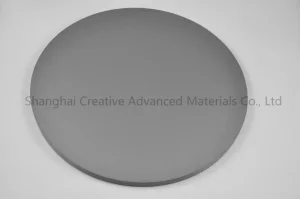
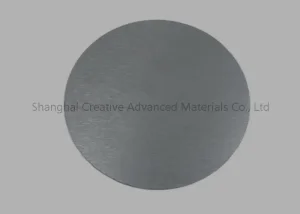
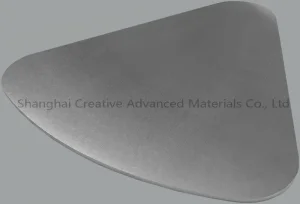
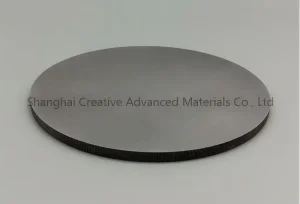
Engineered for maximum hardness and thermal conductivity. Ideal for chemical pumps and mechanical seals where friction-induced heat would fail metals.
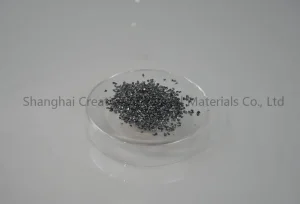
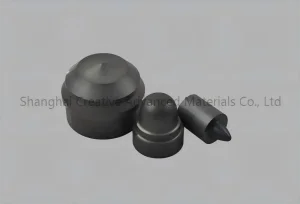
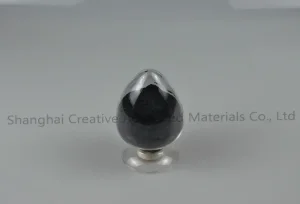
Known as "Black Diamond," this is our go-to material for extreme abrasion and nuclear neutron absorption. Lightweight yet incredibly resilient.
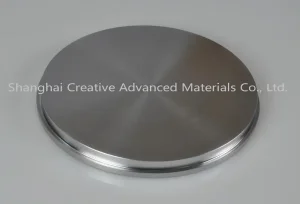
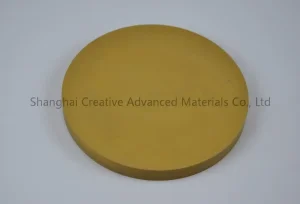
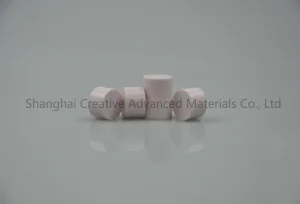
The workhorse of precision ceramics. We offer 95% to 99.9% purity levels, specifically tailored for high-voltage insulation and bio-inert applications.
Operating from the Shanghai Industrial Comprehensive Development Zone, we leverage the most mature ceramic supply chain in the world. Our vertical integration allows us to control everything from raw powder synthesis to high-precision final machining.
Self-developed powder granulation ensures consistent particle size and density.
Utilizing Cold Isostatic Pressing (CIP) and Hot Pressing (HP) for pore-free structures.
Imported CNC grinding equipment achieves tolerances within ±0.001mm.
We adhere strictly to international manufacturing norms, ensuring that our products are compatible with global infrastructure.
✅ ISO 9001:2015 Certified
✅ Full Traceability from Batch to Unit
✅ 100% CMM Inspection for Critical Dimensions
✅ RoHs & REACH Compliance
High-purity ceramic valve components used in gas delivery systems to prevent metallic contamination during wafer processing.
Silicon carbide valve seats for downhole tools, surviving the abrasive "frac sand" and corrosive H2S environments.
Total resistance to strong acids and bases (pH 0-14), where stainless steel components fail within weeks.
Advanced BN (Boron Nitride) and SiC components for high-temperature electrolysis and hydrogen storage sealing.
| Phase | Process | Quality Control Focus |
|---|---|---|
| 01 | Raw Materials | Purity, particle size, and chemical stability monitor. |
| 02 | Spray Granulation | Slurry concentration and particle size distribution. |
| 03 | Forming | Automated cold pressing for blank consistency. |
| 04 | Sintering | Hot pressing, pressureless, or reaction sintering options. |
| 05 | Machining | High-precision imported grinding equipment. |
| 06 | Testing | CMM size testing and ceramic performance verification. |
The next decade of ceramic manufacturing will be defined by 3D printing (additive manufacturing) of complex geometries and the integration of "smart" sensors within valve seats to monitor wear in real-time. As a forward-thinking China Factory, we are already investing in Nano-ceramic composites to further increase fracture toughness.