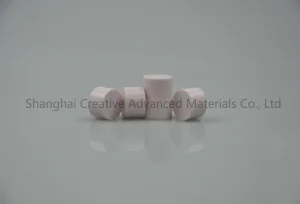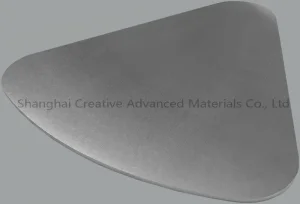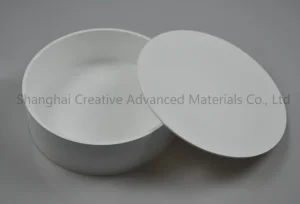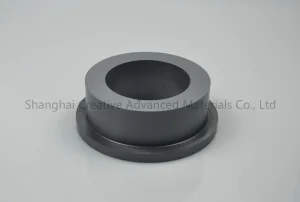
 As a leading authority in advanced materials, Shanghai Creative Advanced Materials Co., Ltd. (SCA) recognizes that Ceramic Ferrite Magnets (also known as Hard Ferrite) remain the backbone of the permanent magnet industry. Despite the rise of rare-earth magnets, sintered ferrite magnets maintain a dominant market position due to their unparalleled cost-effectiveness, chemical stability, and exceptional resistance to demagnetization.
In the current macroeconomic climate, where supply chain resilience and cost-optimization are paramount, China has emerged as the global epicenter for Ceramic Ferrite Magnet manufacturing. This whitepaper explores the technical nuances, manufacturing advantages, and future trajectories of the industry, providing procurement officers and engineers with the "Information Gain" required for informed decision-making.

China controls over 70% of the world’s iron oxide and strontium carbonate supply, the primary precursors for ferrite production. This vertical integration ensures price stability and consistent chemical purity.

Chinese factories utilize high-tonnage multi-cavity automated presses and continuous roller kilns, significantly reducing the energy consumption per kilogram of sintered magnet.

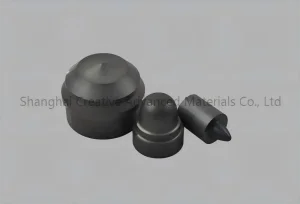
At SCA, we don't just supply standard blocks. We offer complex geometries through advanced CNC grinding and wire-cutting, meeting the stringent tolerances required by automotive sensors.
The transition to Electric Vehicles (EVs) has increased the demand for small, high-performance ferrite magnets for use in DC motors (window lifters, wipers, seat adjusters). High-coercivity ferrites are now preferred because they resist demagnetization in the high-temperature environments of engine compartments.
Unlike rare-earth magnets, Ceramic Ferrite Magnets are environmentally inert. They do not require the ecologically damaging mining processes associated with Terbium or Dysprosium. SCA is leading the way by implementing "Closed-loop Water Systems" and heat recovery in our sintering plants.
Smart factories in China are integrating AI-driven visual inspection systems. Every single unit at SCA is assigned a serial number for full record traceability—from the initial batch of powder metallurgy targets to the final magnetized component.

Strict control of purity and particle size for chemical stability.

Maintaining slurry concentration and monitoring particle distribution.

Automated presses ensuring superior blank strength and consistency.

Hot pressing, pressureless, and reaction sintering methods available.

Imported high-precision equipment for dimensional accuracy.

CMM size testing, ceramic performance, and powder analysis.

Dust-free workshops and semiconductor-grade cleaning lines.

Reliable partners ensuring fast, safe international delivery.
Our Ceramic components and Ferrite magnets are used in magnetic separators, magnetic couplings for leak-free pumps, and wind turbine braking systems. The high Curie temperature of Hard Ferrite (approx. 450°C) makes it ideal for industrial thermal environments.
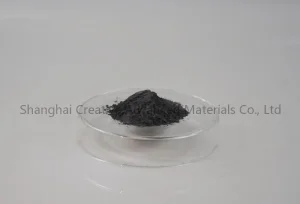
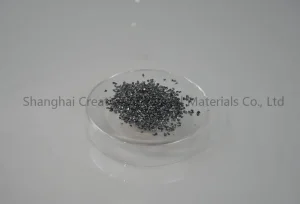
With products like Boron Carbide (B4C)—the second hardest material after diamond—and Europium Oxide neutron absorbers, SCA provides mission-critical materials for armor and nuclear shielding alongside magnetic navigation components.
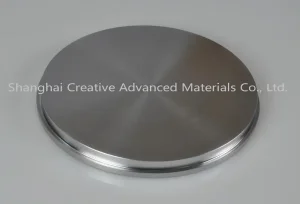
High-purity Tungsten Targets and Silicon Carbide (SiC) components are essential for thin-film deposition and wafer processing, where magnetic fields must be precisely controlled for ion steering.
International procurement teams from the USA, EU, and Japan are shifting from "lowest price" to "highest value/risk ratio." SCA meets these E-E-A-T requirements through:
Q1: What is the difference between Sintered Ferrite and Bonded Ferrite?
A: Sintered Ferrite magnets (Ceramic Magnets) are produced by high-temperature kiln firing, resulting in high magnetic strength. Bonded Ferrites are made by mixing ferrite powder with plastic or rubber binders, allowing for complex flexible shapes but with lower magnetic properties.
Q2: Can Ceramic Ferrite Magnets withstand corrosive environments?
A: Yes. One of their primary advantages over Neodymium is that they are oxides. They do not rust and are highly resistant to moisture and most chemicals, making them perfect for marine or industrial pump applications.
Q3: What are the typical lead times for custom-shaped China Ceramic Ferrite Magnets?
A: Standard shapes are usually in stock. Custom tooling typically takes 15-20 days, followed by 2-3 weeks for production. SCA’s "Fast Delivery" commitment ensures we optimize every step to meet your project timeline.
Q4: How does SCA ensure the purity of SiC and B4C powders?
A: We control the raw material source and use advanced spray granulation and automated testing equipment to monitor chemical composition stability for every batch.
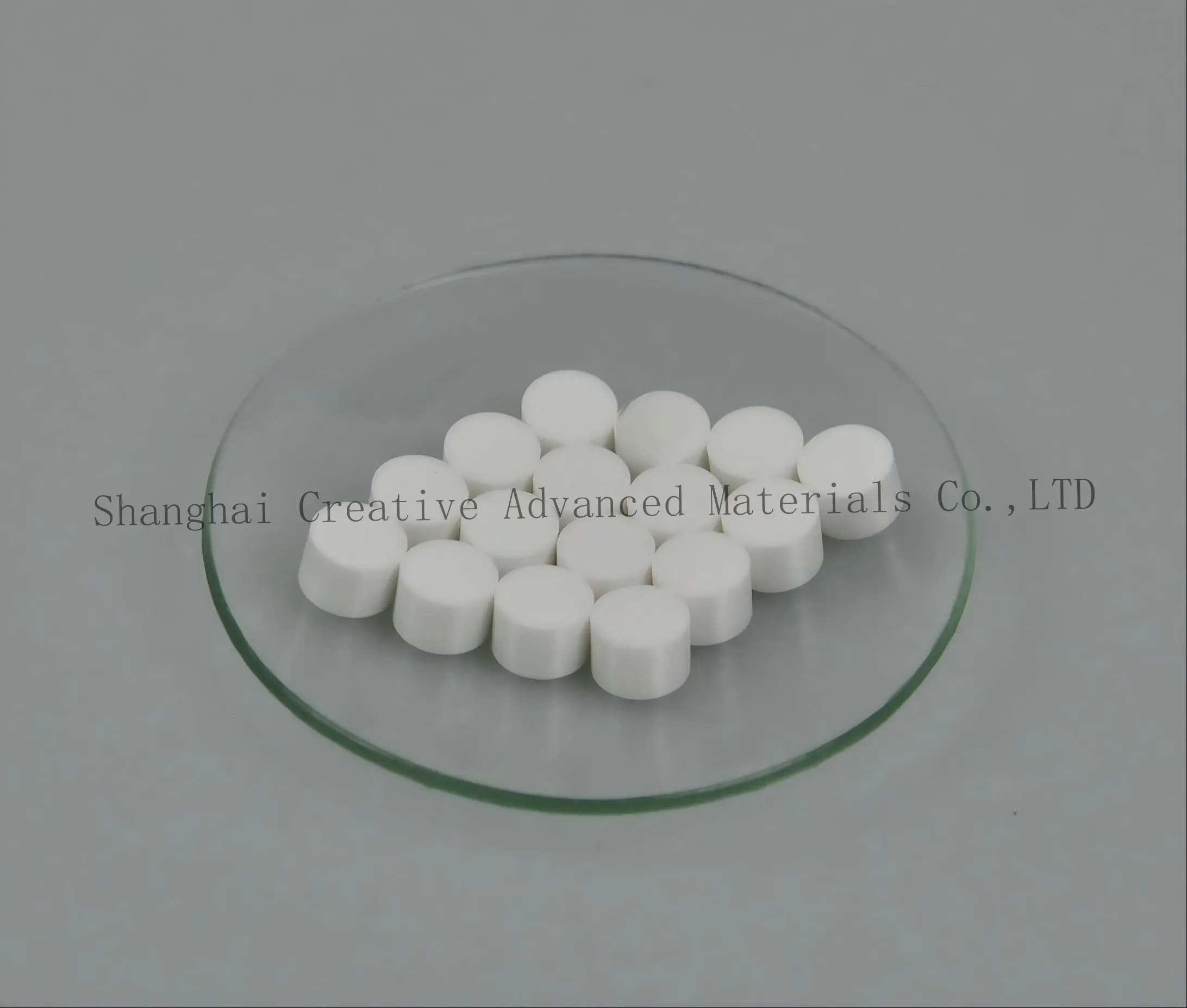
China’s Independent Zirconia sintering technologies drive industry upgrades.
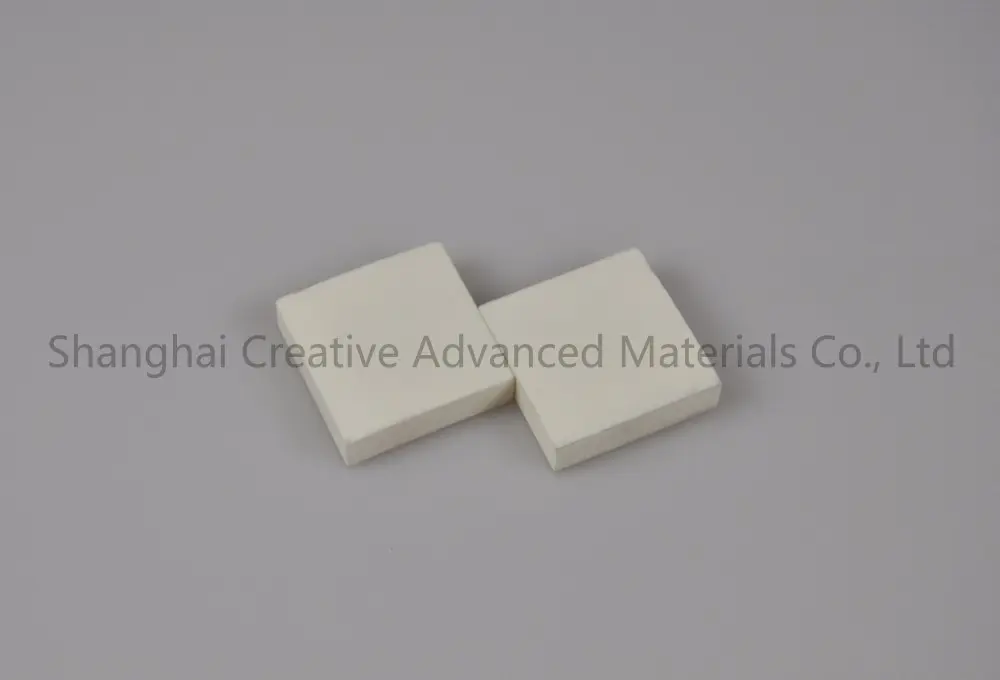
Deep Cultivation in the Sintering Material Sector: SCA’s New Breakthroughs.
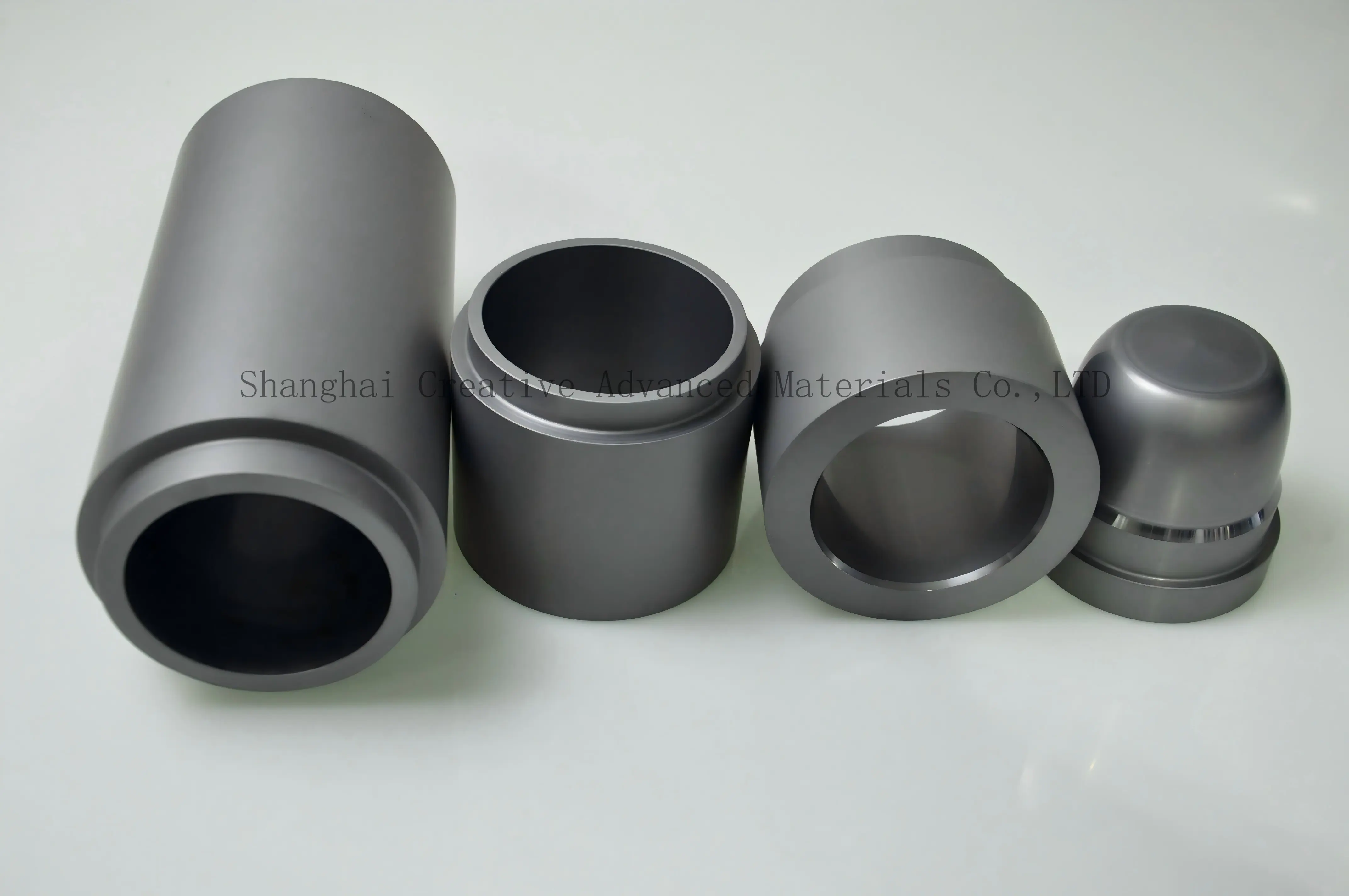
Advantages of Pressureless Sintering in High-Performance Ceramic Production.