In the rapidly evolving landscape of semiconductor technology and high-power electronics, the demand for materials that can withstand extreme thermal stress while maintaining structural integrity is at an all-time high. Aluminium Silicon Carbide (AlSiC), a revolutionary Metal Matrix Composite (MMC), has emerged as the premier solution for global Tier-1 manufacturers. Combining the high thermal conductivity of aluminium with the low coefficient of thermal expansion (CTE) of silicon carbide, AlSiC bridges the gap between traditional alloys and advanced ceramics.
AlSiC’s CTE can be tailored to match semiconductor materials like Silicon, GaAs, and GaN, drastically reducing thermo-mechanical fatigue in IGBT and LED modules.
With a density similar to aluminium but stiffness approaching that of steel, AlSiC is critical for aerospace and automotive weight reduction strategies.
Exceptional corrosion resistance and mechanical toughness ensure long-term reliability in harsh industrial and space environments.
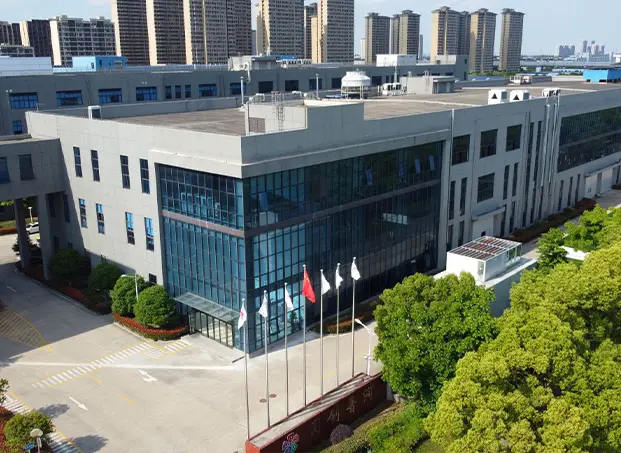
As a leading China Aluminium Silicon Carbide Supplier, Shanghai Creative Advanced Materials Co., Ltd integrates "Industry 4.0" philosophies into our production lines. Our facility in the Shanghai Industrial Comprehensive Development Zone isn't just a factory; it's a high-tech hub of innovation.
Years of Industry Experience
Core Technologies & Patents
Highly Skilled Professionals
Satisfied Global Customers
The global Aluminium Silicon Carbide market is projected to witness exponential growth driven by three core pillars:
Next-gen Electric Vehicle inverters require AlSiC baseplates to handle higher power densities and liquid-cooling cycles without material degradation.
RF power amplifiers and high-frequency communication modules demand precise thermal expansion matching provided only by AlSiC MMCs.
As GPU power consumption skyrockets, the need for integrated heat spreaders with high thermal inertia and conductivity makes AlSiC the material of choice.
| Property | AlSiC (MMC) | Copper (Cu) | Aluminium (Al) | Alumina (Al2O3) |
|---|---|---|---|---|
| Density (g/cm³) | 2.9 - 3.1 | 8.9 | 2.7 | 3.9 |
| Thermal Cond. (W/mK) | 170 - 220 | 390 | 220 | 25-35 |
| CTE (ppm/°C) | 6.5 - 9.0 | 17.0 | 23.0 | 7.0 |
| Stiffness (GPa) | 180 - 220 | 120 | 70 | 350 |

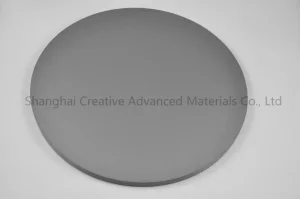
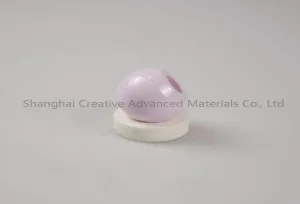
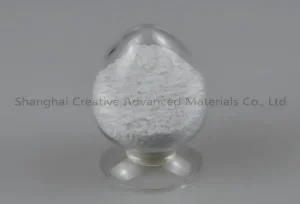
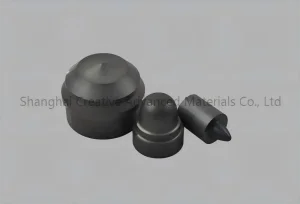
A synthetic crystalline compound used for precision ceramic components in semiconductor, solar energy, and LED sectors. Provides exceptional hardness and chemical stability.

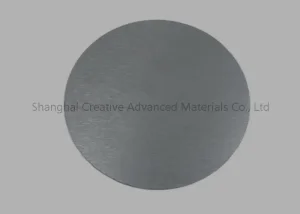
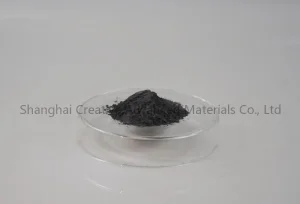
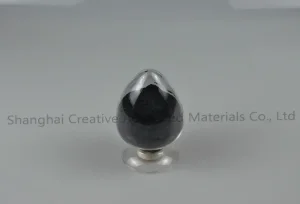
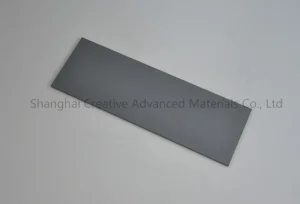
Second only to diamond in hardness. Critical for neutron absorption in nuclear energy and high-end individual soldier protection systems.
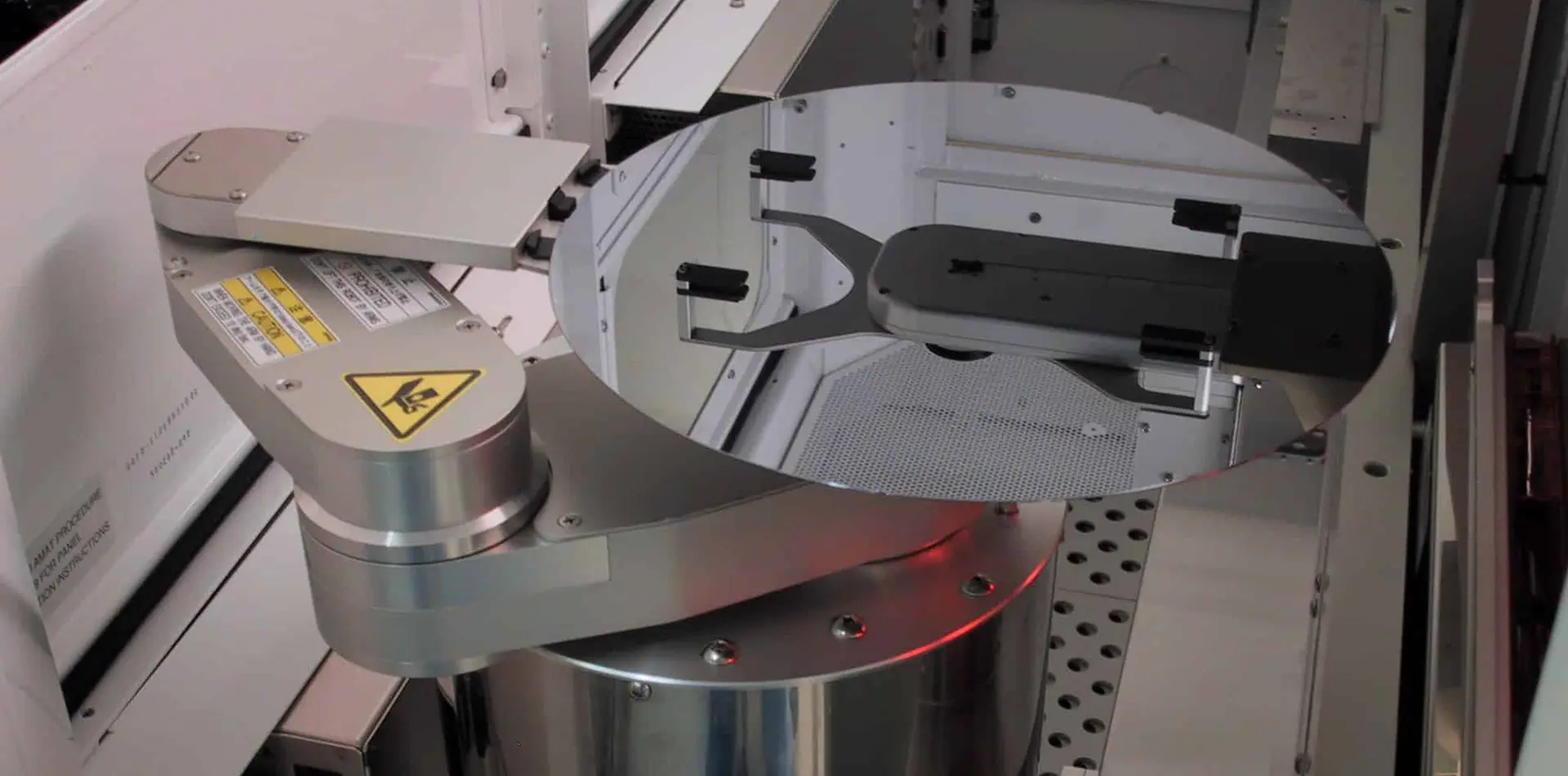
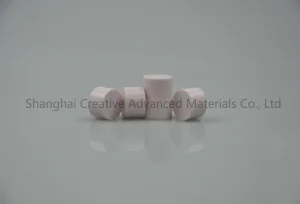
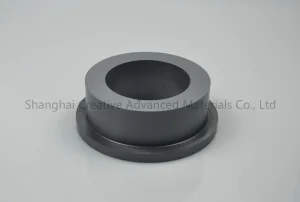
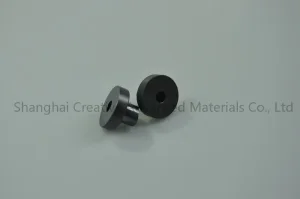
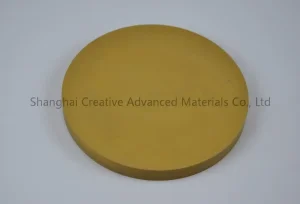
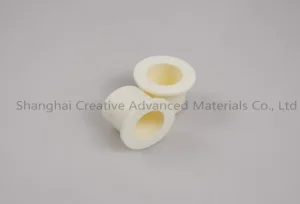
Widely used in high-end structural parts for its insulating properties and resistance to high temperatures and corrosive environments.
Purity and particle size stability monitoring to ensure baseline excellence.
Maintaining slurry uniformity and powder loose tap density via automated control.
Options include Hot Pressing, Pressureless, Reaction, and Isostatic Sintering.
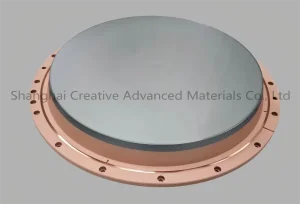
Dust-free workshop packaging ensuring zero contamination for high-end PVD applications.