Engineered to withstand extreme thermal, physical, and electrochemical environments in advanced European industrial settings.
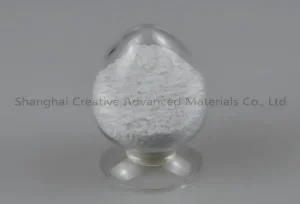
Shanghai Creative Advanced Materials Co., Ltd. (SCA), operating out of the Shanghai Industrial Comprehensive Development Zone, is a pioneering high-tech manufacturer specializing in advanced ceramic targets, powder metallurgy formulations, structural components, and high-performance neutron absorption products. With 19 years of research, innovation, and production experience, we have successfully designed custom material matrices to meet the evolving demands of central European supply chains, particularly in Austria.
Our operational framework focuses on vertical integration—controlling everything from ultra-fine raw material processing and spray granulation to pressureless sintering and high-precision diamond machining. This rigorous workflow ensures that every sputtering target, target-bonding interface, and ceramic component delivered to our Austrian partners offers maximum microstructural homogeneity, exceptional chemical purity, and superior mechanical durability.
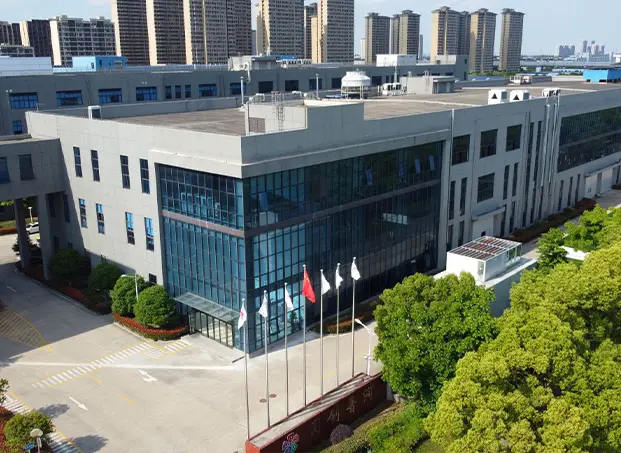
A statistical summary of our manufacturing capabilities, engineering assets, and reliable client satisfaction index.
Evaluating the growth, engineering demand, and performance metrics required by Austria's high-tech manufacturing corridors.
Austria’s economic infrastructure is underpinned by highly sophisticated engineering clusters. From the automotive technology systems in Styria (Graz and surrounding regions) to the advanced semiconductor silicon fabrication facilities in Carinthia (Villach and Klagenfurt), there is an increasing demand for highly specialized structural ceramics and sputtering targets. Modern industrial challenges—ranging from thermal management in high-voltage automotive drivetrains to wear resistance in heavy steel production machinery—require technical materials that exceed the capabilities of traditional metals.
SCA’s advanced Silicon Carbide (SiC) and Boron Carbide (B₄C) powders are engineered to address these complex operating conditions. For example, AVL List and other leading automotive powertrain design houses in Austria rely on SiC for structural components and high-efficiency thermal shields. Similarly, Austrian precision tool manufacturers use B₄C powders to achieve ultra-fine surface profiles during mechanical lapping processes, leveraging a mineral hardness that is second only to diamonds.
In addition, Austria’s commitment to energy security and zero-carbon infrastructure has driven substantial investment in hydro-generation and next-generation power grids. This transition requires highly stable, corrosion-resistant components capable of withstanding cavitation and high pressures over decades of continuous operation. Our customized structural ceramic valve seats and cores prevent critical failure in high-load fluid dynamic systems, offering an exceptionally low coefficient of friction and zero degradation under acidic or alkaline media exposure.
| Material Matrix | Purity Range (%) | Vickers Hardness (HV) | Thermal Conductivity (W/m·K) | Key Applications in Austria |
|---|---|---|---|---|
| Boron Carbide (B₄C) | 99.0% – 99.8% | ≥ 2900 | 30 – 42 | Austrian military armor, aerospace seals, industrial abrasives |
| Silicon Carbide (SiC) | 99.5% – 99.99% | ≥ 2400 | 110 – 150 | Semiconductor wafers processing tools, EV power electronic modules |
| Alumina (Al₂O₃) | 95.0% – 99.9% | ≥ 1600 | 25 – 35 | High-voltage electrical insulations, high-temperature furnace tubes |
| Boron Nitride (BN) | 98.5% – 99.5% | Graphitic (Soft) / Cubic (Hard) | 60 – 120 (In-plane) | Molten metal crucibles for Austrian steel factories (Linz, Kapfenberg) |
Deploying advanced compounds designed for wear resistance, chemical neutrality, and radiation shield parameters.
Boron Carbide stands as one of the hardest synthetic materials on Earth. Its unique structural lattice makes it highly suitable for protective ballistic shielding, wear-resistant sandblasting nozzles, and industrial abrasives. In the nuclear industry, B₄C serves as a vital neutron shielding compound due to its high neutron absorption cross-section, protecting critical control structures in specialized power systems.
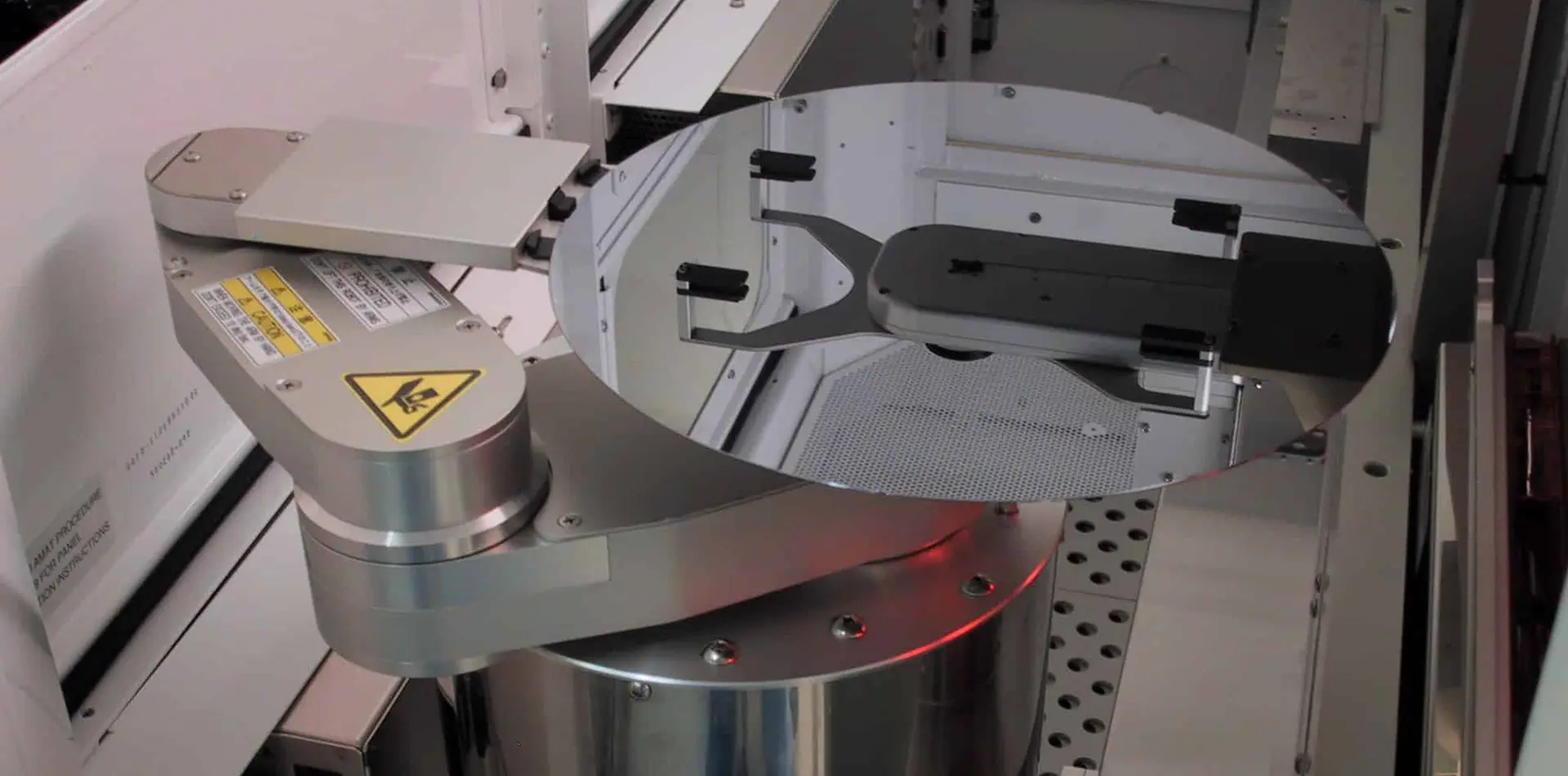
Silicon Carbide excels in high-heat and chemically corrosive environments. Highly prized in semiconductor packaging, modern photovoltaic manufacturing, and LED production, SiC maintains high flexural strength and low thermal expansion coefficient at elevated temperatures, ensuring mechanical stability and reliability under intense working cycles.
Alumina-based ceramics provide excellent electrical isolation combined with high structural density. They are widely deployed in modern industrial sensors, electrical feedthroughs, high-temperature kiln linings, and analytical laboratory gear, where maintaining purity and avoiding contamination are critical performance goals.
Boron Nitride provides high thermal conductivity, electrical resistance, and chemical inertness in the presence of molten metals and alloys. It is widely used as a release agent, furnace component, and crucible material for high-temperature metallurgy and thin-film evaporation processes, enabling precise control over alloy chemistry.
Why procurement teams across Austria and Europe trust SCA for their critical thin-film and engineering needs.
Our testing systems track every component from raw powder to the final target, guaranteeing complete material traceability. Each batch undergoes rigorous testing to verify physical and chemical consistency.
We work with leading international shipping networks to ensure prompt and secure delivery across Austria, coordinating customs clearance and transport directly to your production site.
Our engineering team designs custom structural ceramics and targets to meet your specific geometry, density, and purity requirements, ensuring seamless integration into your existing systems.
We provide ongoing technical consulting, helping you optimize material selection and process efficiency to achieve long-term performance and value from your equipment.
Inside our comprehensive, step-by-step ceramic manufacturing process.
We test incoming powders for chemical purity, particle size, and crystalline structure, ensuring a reliable material foundation.
SCA uses advanced spray drying systems to form spherical granules with uniform density, facilitating high-density compaction.
We apply high-pressure dry pressing and Cold Isostatic Pressing (CIP) to create green bodies with uniform density and minimal defects.
SCA utilizes vacuum hot-pressing, pressureless sintering, and reaction-bonding furnaces to control grain growth and density.
Our team finishes sintered components using precision diamond grinders to achieve tight dimensional tolerances.
Every batch undergoes non-destructive ultrasonic inspections, microstructural analysis, and dimensions validation.
Finished components are cleaned and sealed in cleanroom conditions, protecting products from shipping contamination.
We manage final export steps, packing products securely to arrive intact and ready for production in Austria.
Ensuring full integration with European environmental, chemical safety, and trade standards.
Operating within the European Union means complying with strict chemical safety and supply chain requirements. SCA ensures that all shipments destined for Austria conform to the REACH regulation (Registration, Evaluation, Authorisation and Restriction of Chemicals), verifying that no hazardous compounds or unlisted additives enter the EU market. Additionally, our materials comply with the latest RoHS and Conflict Minerals guidelines, giving Austrian procurement directors peace of mind regarding compliance and ethical sourcing.
Looking ahead, the development of thin-film semiconductors and high-power density machinery will require even tighter tolerances. SCA is actively researching sub-micron and nano-crystalline ceramic powders to reduce grain boundary defects and improve the performance of sputtering targets. We are also expanding our production of high-entropy alloy and composite oxide targets to support Austrian research centers in exploring next-generation microelectronics and advanced barrier coatings.
Original high-purity sputtering targets, specialized alloy formulations, and precision-sintered components for Austrian industry.
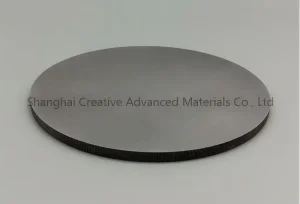
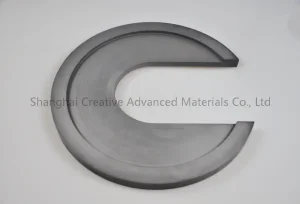
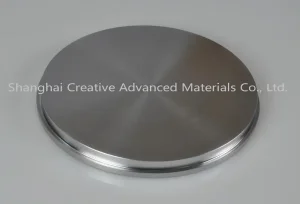
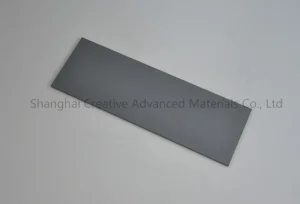
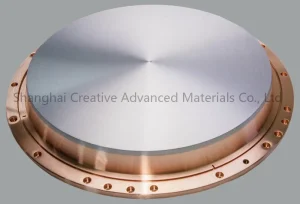
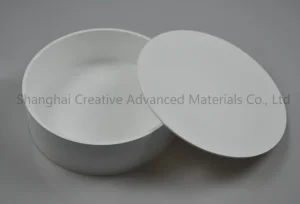
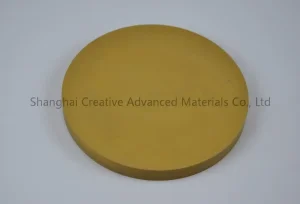
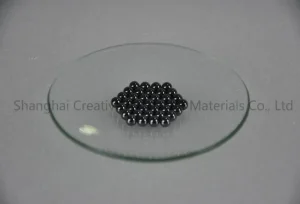
Insights, technical papers, and industry trends covering high-purity targets, zirconia ceramics, and sintering advancements.
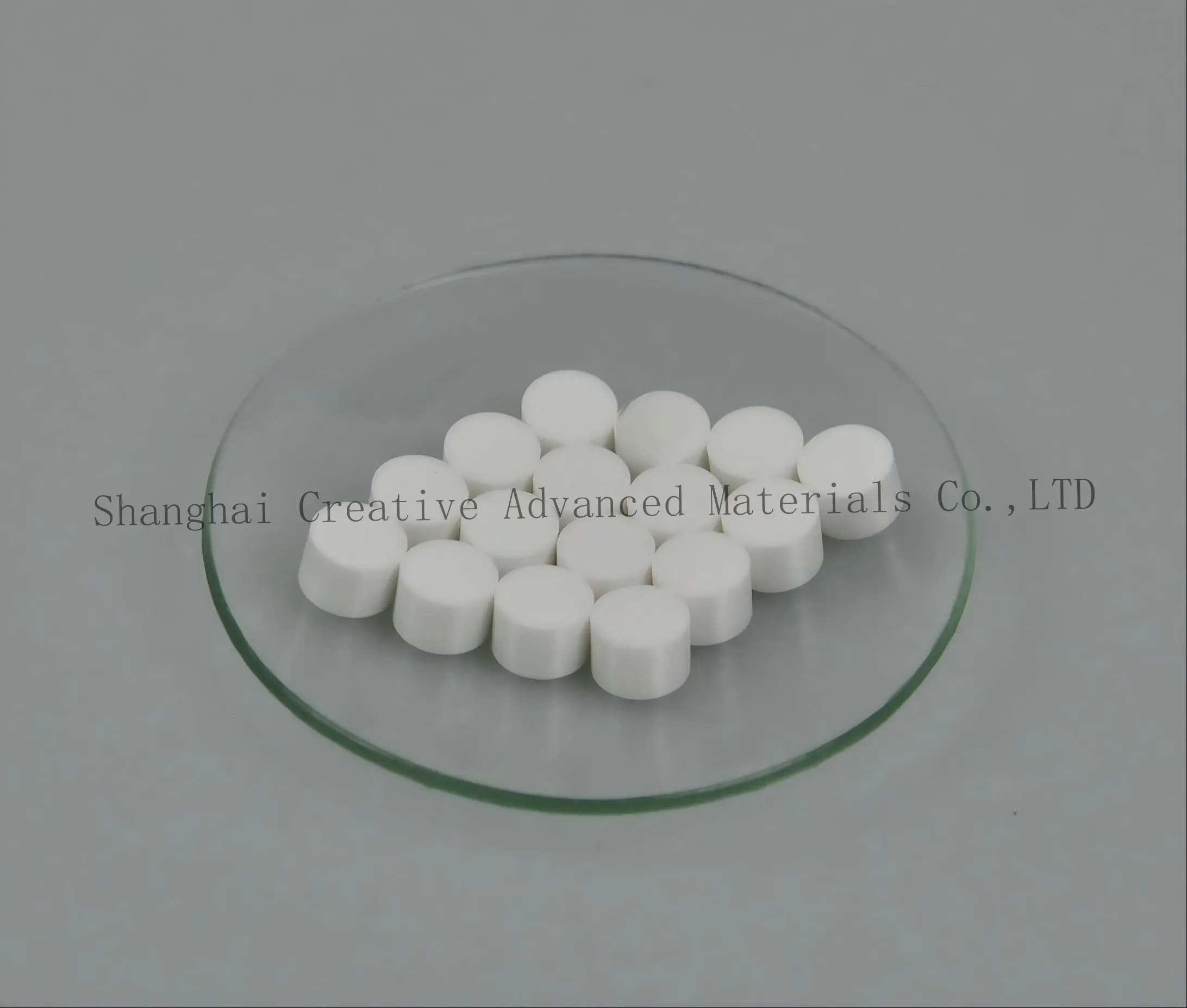
Explore how localized sintering technologies are driving upgrades in the domestic zirconia ceramic industry, improving structural properties for global markets.
Read Full Report →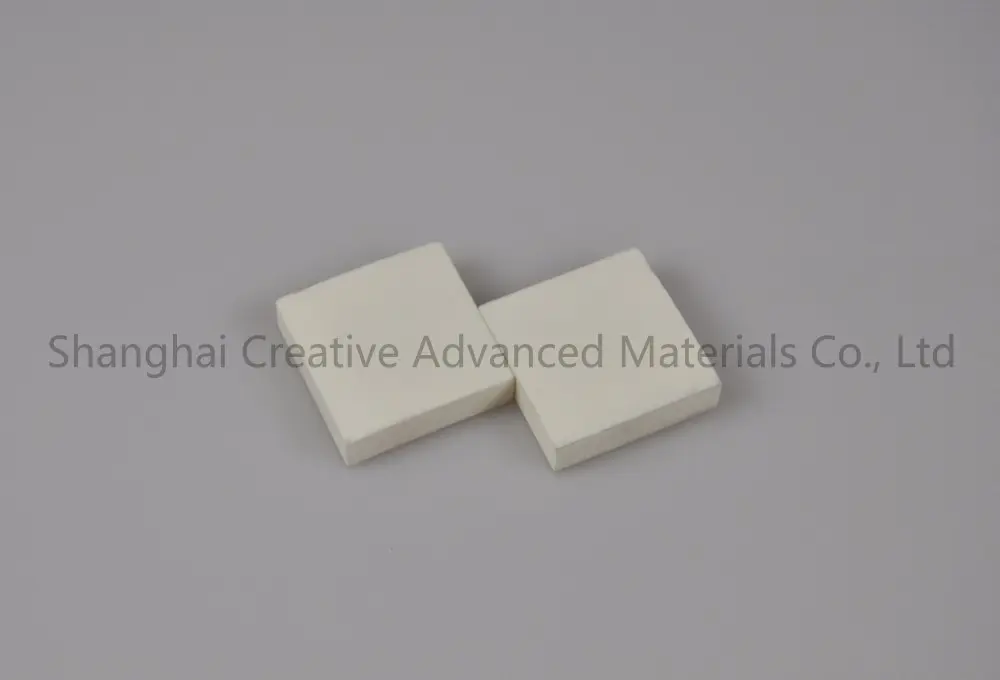
An inside look at our development of integrated hot-pressing and pressureless sintering lines to meet growing demand from industrial buyers.
Read Full Report →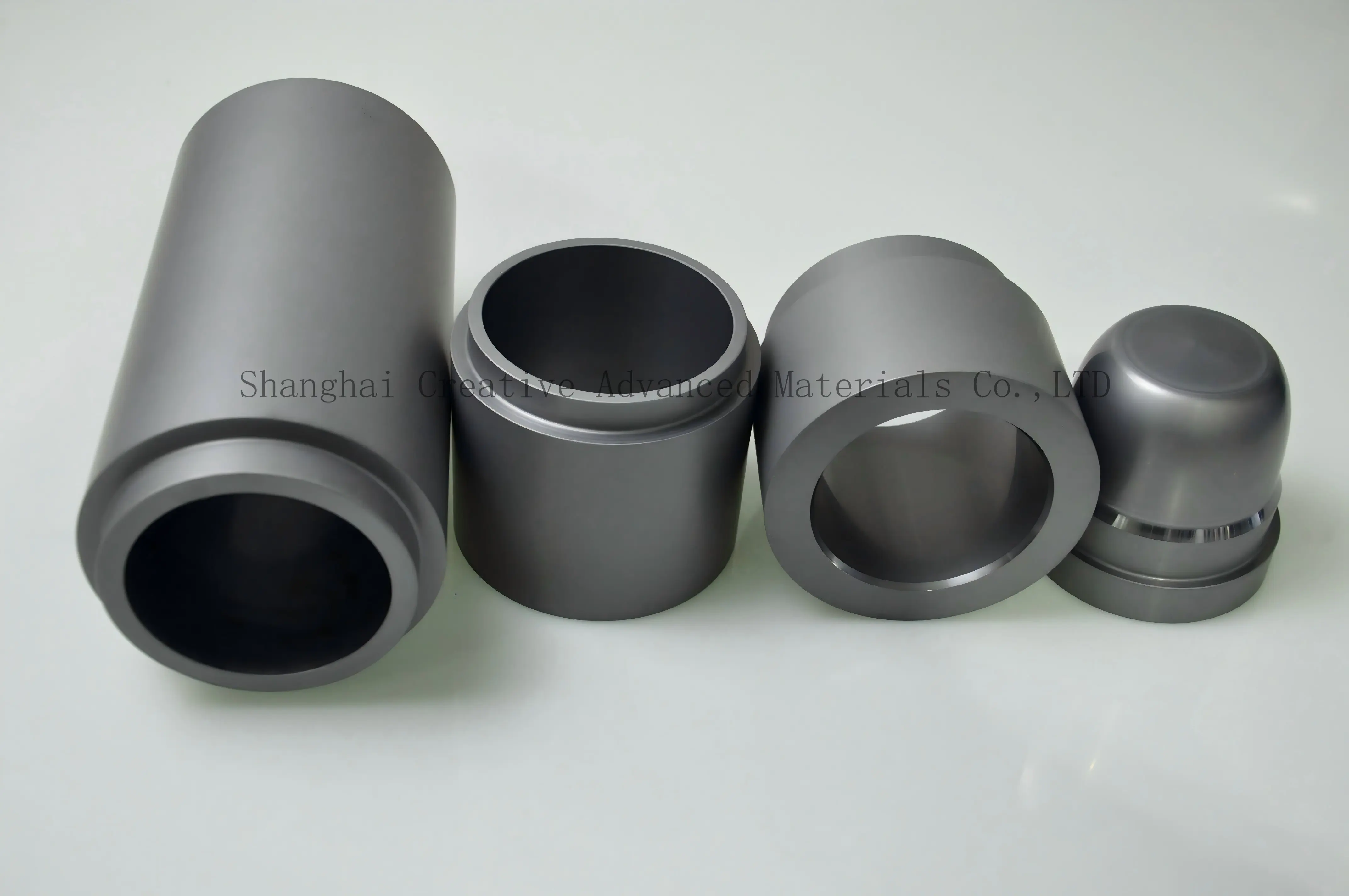
Analyzing the metallurgical advantages of pressureless sintering for complex ceramic shapes, highlighting improvements in density and wear life.
Read Full Report →Common questions from engineering partners in Austria regarding specifications, logistics, and capabilities.
For structural engineering and metallurgical coatings, we provide Boron Carbide (B₄C) and Silicon Carbide (SiC) powders with purity levels starting at 99.0% up to 99.99% for semiconductor-grade thin films, ensuring low contaminant levels.
Yes. We design and bond targets using indium or elastomer bonding, mounting them to copper, copper-alloy, or molybdenum backing plates to match your sputtering systems' exact geometries.
SCA works with qualified compliance managers to ensure all shipments are fully documented, providing SDS sheets and certificates of conformity that meet REACH and RoHS directives.
Standard formulations ship within 2–3 weeks. Custom sintering or diamond-machined components typically require 4–6 weeks for production, testing, packing, and air or sea transport to Austria.
All high-purity targets and finished ceramics are vacuum-sealed in double-layer polymer packaging within class 100/1000 cleanrooms, then packed in impact-resistant crates to ensure they arrive clean and intact.
Yes, we supply small-batch powders and prototype target geometries to support university and research center R&D efforts across Austria before scaling up to full production runs.