High-reliability structural components optimized for Chilean extraction and process industries.
In the severe operational landscapes of Chilean copper mining, lithium extraction in the Salar de Atacama, and high-altitude processing units, traditional metal alloy components continuously fail under the synergistic attacks of extreme abrasion, high slurry velocities, and chemical corrosion. Standard alloys yield rapidly to erosion-corrosion loops, leading to unpredictable downtime, reduced processing efficiency, and inflated maintenance expenditures.
Our engineered structural ceramics, including Reaction Bonded Silicon Carbide (RBSiC), Direct Sintered Silicon Carbide (SSiC), and 99.7% High-Purity Alumina, represent a transformative material shift. Designed specifically to survive the mechanical shock of hard rock crushing and the high-corrosion cycles of hydrometallurgical heap leaching, these components deliver service lifespans 5 to 15 times longer than typical manganese steels or polyurethane liners.
As a global Tier-1 advanced ceramic components partner, we engineer custom solutions that bridge structural integrity with exceptional thermal shock resistance, ensuring uninterrupted mineral throughput across the Antofagasta, Tarapacá, and Atacama regions.
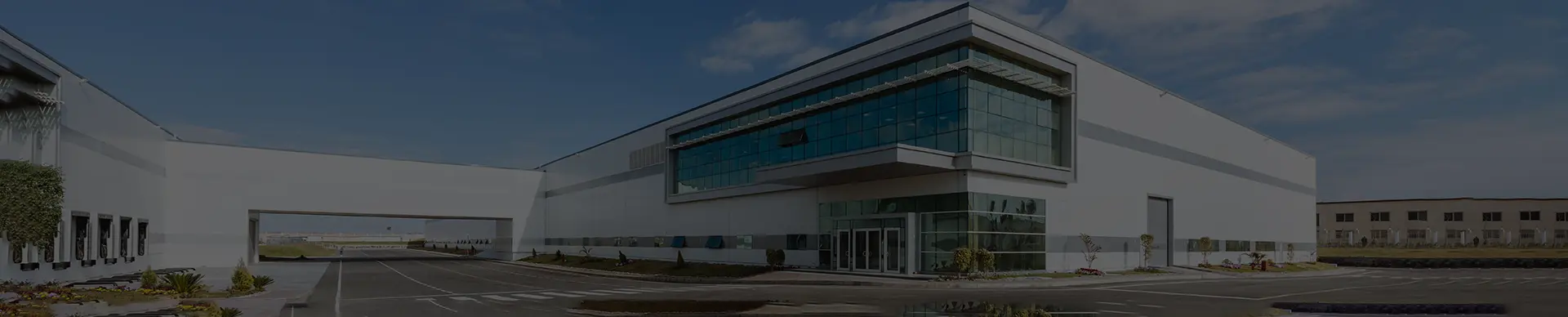
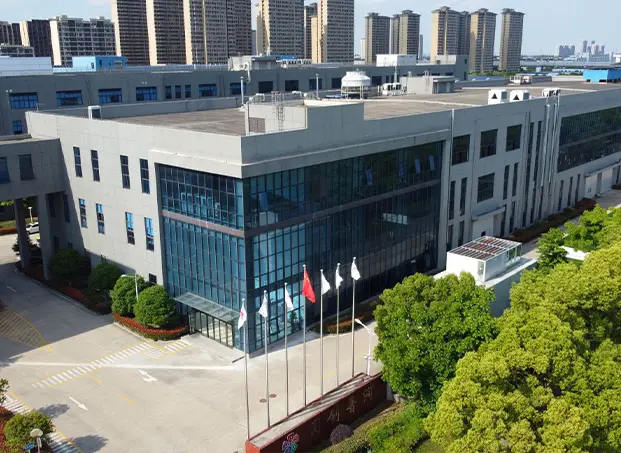
Established within the Shanghai Industrial Comprehensive Development Zone, Shanghai Creative Advanced Materials Co., Ltd. (SCA) is a high-tech pioneer integrating structural R&D, automated high-temperature sintering, precision diamond grinding, and state-of-the-art testing systems. We supply critical advanced ceramics, powder metallurgy sputtering targets, and high-purity neutron-absorbing materials globally.
By controlling the manufacturing chain from sub-micron powder synthesize to final multi-axis CNC component polishing, we secure absolute microstructural uniformity, zero internal micro-cracks, and micro-inch dimensional tolerances. We provide documented traceability, serving critical operations across North America, the European Union, East Asia, and the Chilean mining corridor.
Engineered structural material matrix tailored to withstand the wear, temperature, and corrosion profiles of Chilean mineral processing plants.
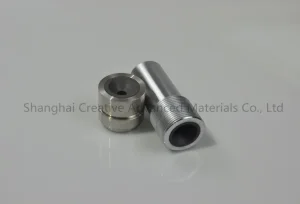
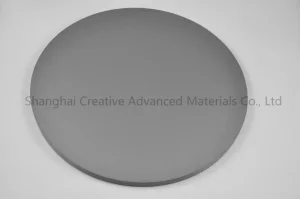
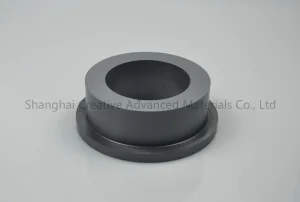
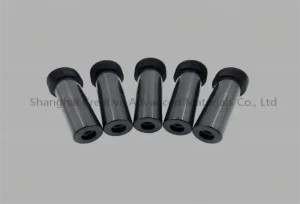
Optimized for severe abrasive slurries, hydrocyclone apexes, slurry pump impellers, and desulfurization spray nozzle arrays. Exhibits diamond-like hardness, zero porosity, and superior erosion resistance under high-velocity slurry impacts.
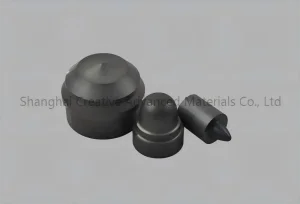
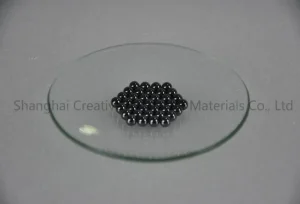
The "Black Diamond" is third in hardness only to diamond and cubic boron nitride. Ideal for slurry nozzles, extreme-wear mechanical seals, ballistic plates, and nuclear radiation shielding components in active mining environments.
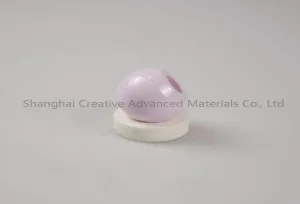
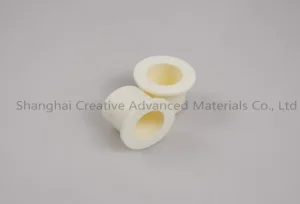
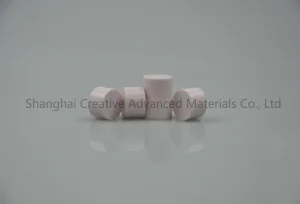
The most versatile, cost-effective industrial ceramic. Highly resistant to acid corrosion and thermal wear, making it the industry standard for mineral transport pipe liners, electrical insulation sleeves, and high-temp furnaces.
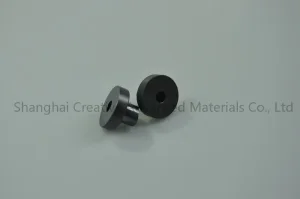
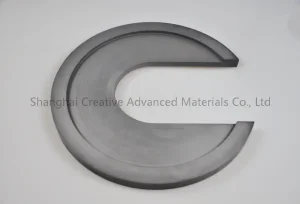
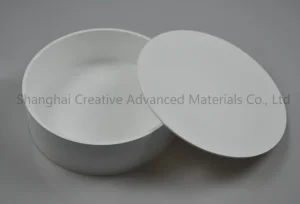
"White Graphite" combines easy machinability with exceptional thermal shock resistance and electrical isolation. Unwetted by most molten metals, it is perfect for casting molds, crucibles, and high-voltage power components.
Engineered for high performance, continuous operations, and absolute reliability.
SCA maintains ISO 9001 certified process pathways. Every batch of sub-micron powders undergoes particle-size profiling and chemical assays. Full traceability is logged via unique serialization for every shipped component.
We streamline international logistics from China to key Chilean sea freight terminals (Antofagasta, San Antonio, and Valparaíso) and air transport to Santiago, ensuring secure crating and rapid delivery to site.
Our mechanical engineering team utilizes advanced finite element analysis (FEA) to redesign complex metal components into structural ceramics, matching thermal expansion and maximizing operational lifetimes.
SCA delivers end-to-end technical assistance, supporting installation parameters, joint gap calculations, adhesive selections, and preventative maintenance strategies to prevent mechanical shocks on site.
Every step of our process is optimized to achieve zero-defect advanced ceramic manufacturing.

We source ultra-pure chemical inputs and verify phase composition, grain size distribution, and chemical purity to ensure material consistency from the start.

Slurry blends are spray-dried under controlled conditions to form spherical granulate. This ensures uniform density during subsequent forming processes.

Automated dry pressing and Cold Isostatic Pressing (CIP) apply uniform pressure across three dimensions, preventing density gradients and distortions.

Components are fired using atmospheric, reaction-bonded, hot-pressed, or gas-pressure sintering techniques at temperatures exceeding 2000°C.

Sintered components are finished using multi-axis CNC diamond grinding and polishing systems, achieving micron-level tolerances and smooth finishes.

Quality checks include 3D Coordinate Measuring Machine (CMM) dimensional checks, ultrasonic testing for internal flaws, and physical density assays.

Cleaned in multi-stage ultrasonic baths and packed in dust-free facilities with custom shock-absorbing materials to ensure damage-free transit.

Our experienced export team manages customs clearance and handles multimodal shipping options, delivering components directly to Chilean mine sites.
Chilean mining and processing plants operate in some of the most remote and demanding environments on earth, from the dry heights of the Atacama Desert to cold southern ports. A delayed component or premature wear failure can disrupt operations and result in significant financial losses. We address these challenges with a customized supply and service program tailored for Chile:
Proactive Logistics & Strategic Shipping: We partner with international freight networks to offer optimized shipping schedules, coordinating customs clearance and transport through ports like Iquique, Antofagasta, and San Antonio, as well as air freight routes directly to Santiago.
Chilean Standards Alignment: Our engineering processes match international specifications (ISO, ASTM, DIN) and align with local environmental and safety requirements, ensuring seamless integration with existing processing equipment on site.
Technical Application Support: We collaborate directly with site engineers to analyze system wear, optimize ceramic component thickness, design secure anchoring systems, and recommend backing materials to resist high vibration and mechanical impacts.
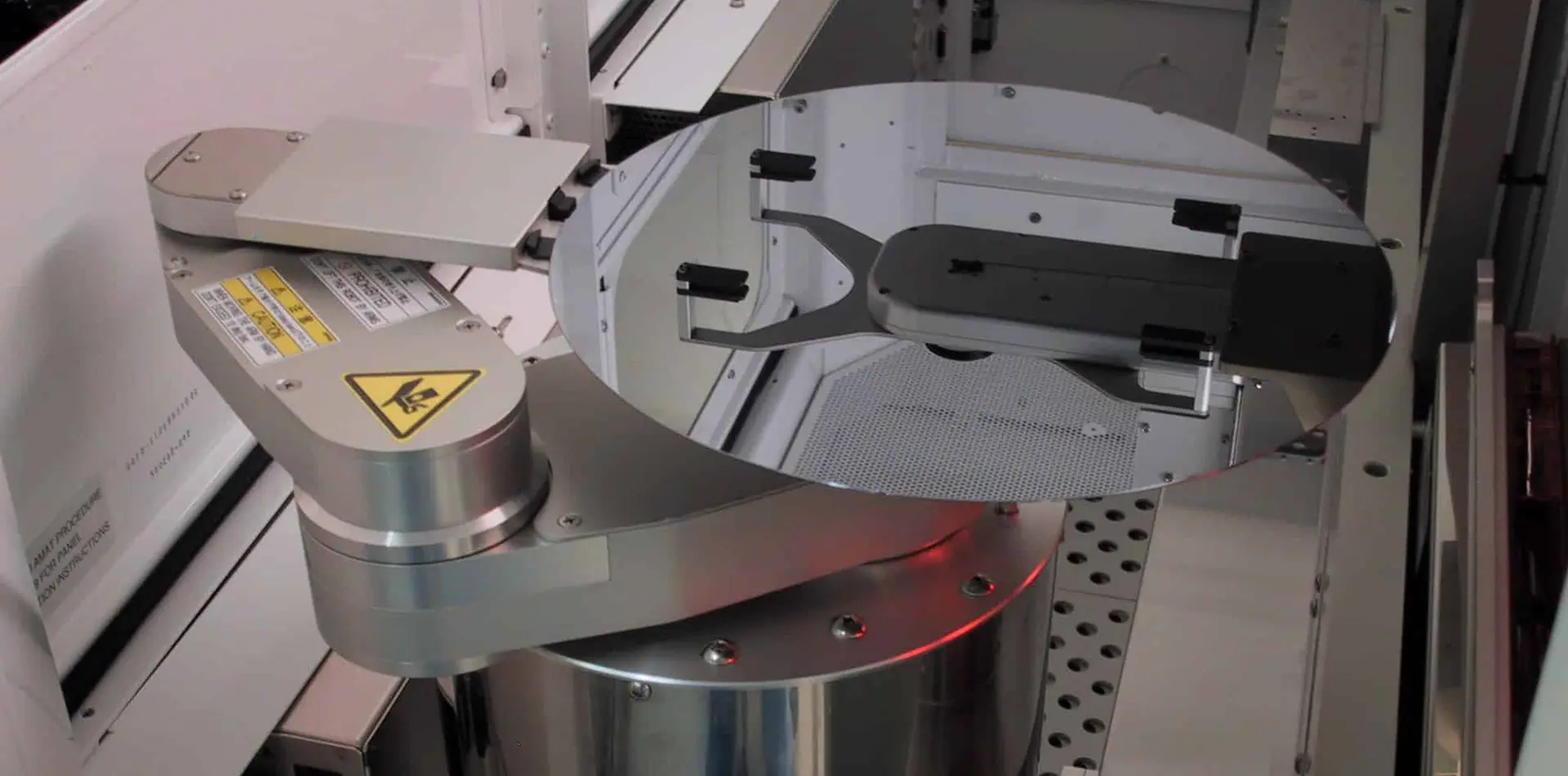
Innovating next-generation advanced ceramic materials to drive efficiency and reduce environmental impact.
We continue to refine our pressureless sintering techniques to produce sub-micron grain structures in Silicon Carbide (SiC) and Boron Carbide (B₄C). Finer microstructures eliminate micro-cracking and improve wear and impact resistance under high dynamic loads.
As semiconductor and thin-film coating requirements grow more precise, we are expanding our powder metallurgy targets. We offer ultra-high purity (>99.999%) targets with uniform grain size, ensuring consistent sputtering rates and film quality.
We are designing lightweight, high-performance ceramic structural components for renewable energy systems, including concentrated solar plants (CSP) and hydrogen production cells. These advanced materials withstand high temperatures and corrosion, supporting clean energy transitions.
We are developing ceramic components with integrated surface-engineered sensor zones. These "smart" ceramics monitor wear levels, temperature spikes, and vibration in real time, enabling predictive maintenance and preventing unexpected system downtime.
Technical guidance and answers for specifying, installing, and utilizing advanced structural ceramics in demanding environments.
High-chromium iron and manganese steels protect systems through bulk hardness, but they are vulnerable to aggressive erosion-corrosion. In highly acidic or alkaline mineral slurries, the protective oxide layer on metal components is quickly stripped away, exposing fresh metal to wear. Silicon Carbide (SiC) has a Vickers hardness exceeding 22 GPa (nearly three times that of hardened steel) and is chemically inert. This prevents the erosion-corrosion cycle, extending component life by 5 to 15 times in pump impellers, cyclone liners, and valve seats.
SSiC is produced by sintering sub-micron silicon carbide powders with non-oxide sintering aids at high temperatures (around 2200°C). It is nearly 100% pure SiC with no free silicon phase, giving it excellent corrosion resistance in strong acids and bases. RBSiC is produced by infiltrating a carbon-SiC green body with molten silicon. This process occurs at lower temperatures and has minimal shrinkage, making it ideal for large or complex components. However, the presence of free silicon (~10-15%) reduces its maximum temperature rating and chemical resistance compared to SSiC.
Alumina has high hardness and excellent wear resistance under sliding abrasion. However, like most advanced ceramics, it is brittle and can chip under high-velocity, direct impacts from large ore. To address this, we recommend composite ceramic-rubber wear liners. These vulcanize alumina tiles into a high-elasticity rubber matrix, combining the wear resistance of ceramics with the impact absorption of rubber. This design protects systems against both impact damage and sliding abrasion.
We use precision multi-axis CNC grinding systems to shape fired ceramics. For critical components like mechanical seals, valve cores, and shafts, we can achieve dimensional tolerances down to +/- 0.005 mm, roundness/cylindricity to 0.002 mm, and surface finishes (Ra) polished to less than 0.1 microns. This enables tight, leak-free assemblies in high-pressure fluid systems.
We manage the entire export process, including custom packaging, Certificate of Origin documentation, and shipping coordination. We work with international carriers to offer sea freight to major ports like Antofagasta, Valparaíso, and San Antonio, as well as air freight to Santiago. We provide detailed export documentation, HS classification, and logistical support to ensure smooth import and delivery to your operations.
Browse our full range of advanced ceramics, sputtering targets, and high-performance components.
Speak directly with our materials engineering division to design custom ceramic shapes, calculate wear profiles, or request volume price quotes for the Chile market.