Direct supply of precision ceramic components tailored for extreme environments across Jakarta, Cilegon, Morowali, and beyond.
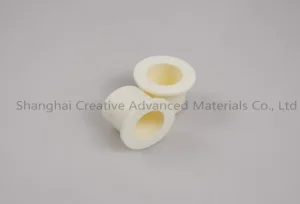
Engineered Alumina structural ceramics offering electrical isolation, wear resistance, and cost efficiency for electronic assembly lines across Cikarang industrial hubs.
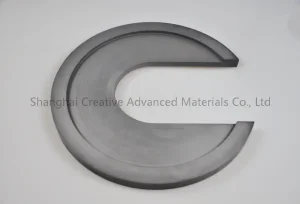
Unmatched thermal conductivity and thermal shock performance for severe-duty furnace linings and mining equipment in Sumatra and Kalimantan.
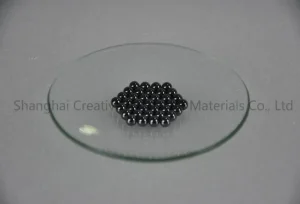
Ultra-hard milling media for high-energy processing of non-metallic minerals, ensuring zero metal contamination in demanding chemical grinding workflows.
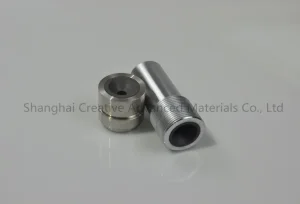
High-reliability brazed metal-to-ceramic hermetic seals built to withstand geothermal steam corrosion and high-voltage transmission grids.
Under the state directive of "Making Indonesia 4.0", the nation is actively pivoting towards advanced manufacturing, high-value mineral processing, chemical refining, and green energy. These transitions subject traditional structural alloys to thermal limits, mechanical fatigue, and chemical degradation.
Advanced structural ceramics, including Silicon Carbide (SiC), Alumina (Al₂O₃), Zirconia (ZrO₂), and Silicon Nitride (Si₃N₄), offer critical physical answers. By replacing metal components in critical nodes, operators realize massive gains in equipment lifespan, lower operational overhead (OPEX), and prevent costly downtime.
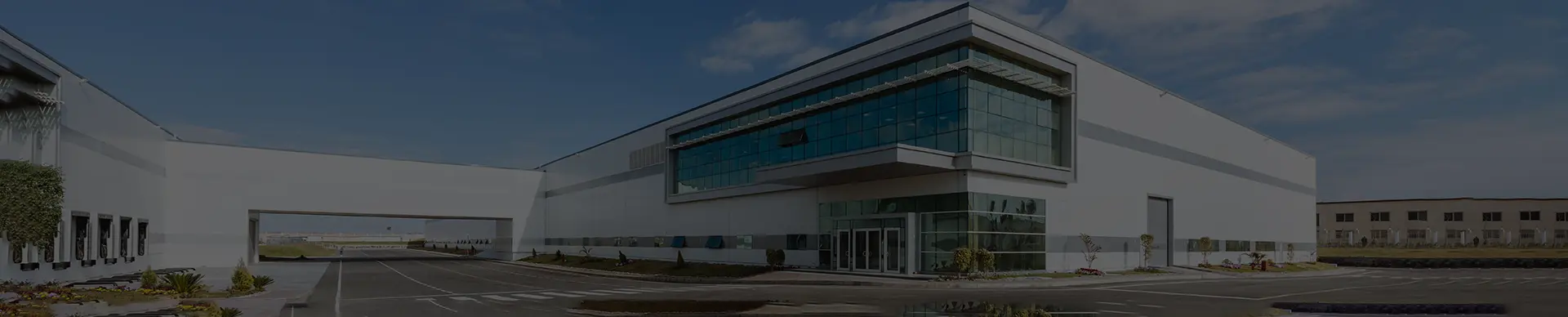


A technical guide for industrial procurement officers and materials engineers in Indonesia to evaluate structural ceramics against standard operating thresholds.
| Material Type | Key Properties | Vickers Hardness (HV) | Max Use Temp (°C) | Thermal Cond. (W/m·K) | Primary Indonesian Applications |
|---|---|---|---|---|---|
| Alumina (Al₂O₃) | Excellent dielectric strength, wear-resistant, high chemical stability. | 1500 - 1800 | 1600 | 30 | Electronics substrates, pump components, furnace tubes. |
| Silicon Carbide (SiC) | Superb thermal conductivity, high hardness, severe abrasive resistance. | 2200 - 2800 | 1400 (air) / 1650 (inert) | 120 | FGD nozzles for power generation, slurry pumps in mining. |
| Zirconia (ZrO₂) | High fracture toughness, low thermal conductivity, thermal shock resistant. | 1200 - 1300 | 1100 | 2.5 | Refinery valves, extrusion dies, chemical dosing plungers. |
| Silicon Nitride (Si₃N₄) | Outstanding thermal shock, thermal cycle resilience, mechanical strength. | 1500 - 1600 | 1200 | 25 | Geothermal sensors, industrial burner parts, bearings. |
| Boron Carbide (B₄C) | Extreme hardness, low density, high neutron absorption capability. | 2900 - 3500 | 800 (air) / 2000 (inert) | 35 | Nuclear instrumentation shielding, sandblasting nozzles, armoring. |
How Shanghai Creative Advanced Materials Co., Ltd (SCA)'s custom formulations resolve regional operational hurdles in Java, Sumatra, Kalimantan, and Sulawesi.

Indonesia hosts some of the world's largest geothermal power networks. The steam injected is loaded with acidic geothermal fluids, silica sand, and abrasive scale. Our silicon nitride (Si₃N₄) sensor housings and silicon carbide (SiC) valve assemblies resist corrosive erosion far beyond superalloys.

Raw palm oil milling requires crushing, separation, and purification under acidic conditions at high temperatures. Traditional stainless valves suffer severe chemical corroding and abrasive mechanical wear. Zirconia and SiC valve seats and cores guarantee long seal life without contaminating food oils.

High-pressure acid leaching (HPAL) systems utilized in downstream processing of Nickel laterite ores run under immense pressures and heat. Our unpressurized silicon carbide desulfurization nozzles and structural liners resist the extreme abrasive force of mineral slurries.

Pertamina assets running upstream oil extraction utilize Boron Carbide (B₄C) and Silicon Nitride internal valves. High velocity sand-oil flows require components that exhibit exceptional wear resistance to avoid mechanical failures at depth.
Detailing the engineering parameters of our primary advanced ceramics line.
Boron Carbide (B₄C): Known as the "black diamond," this is one of the hardest materials artificially synthesized on Earth. Possessing a hardness score second only to diamond, it is ideal for sandblasting nozzles, bulletproof vests, vehicle armoring, and critical neutron-absorbing control rods in high-radiation sectors.
Silicon Carbide (SiC): A crystalline synthetic material combining Silicon and Carbon. It maintains immense thermal conductivity and thermal shock resistance. Broadly used for manufacturing kiln furniture, semiconductors, pumps, sandblasting nozzles, and heavy duty seals.
Read Full Specifications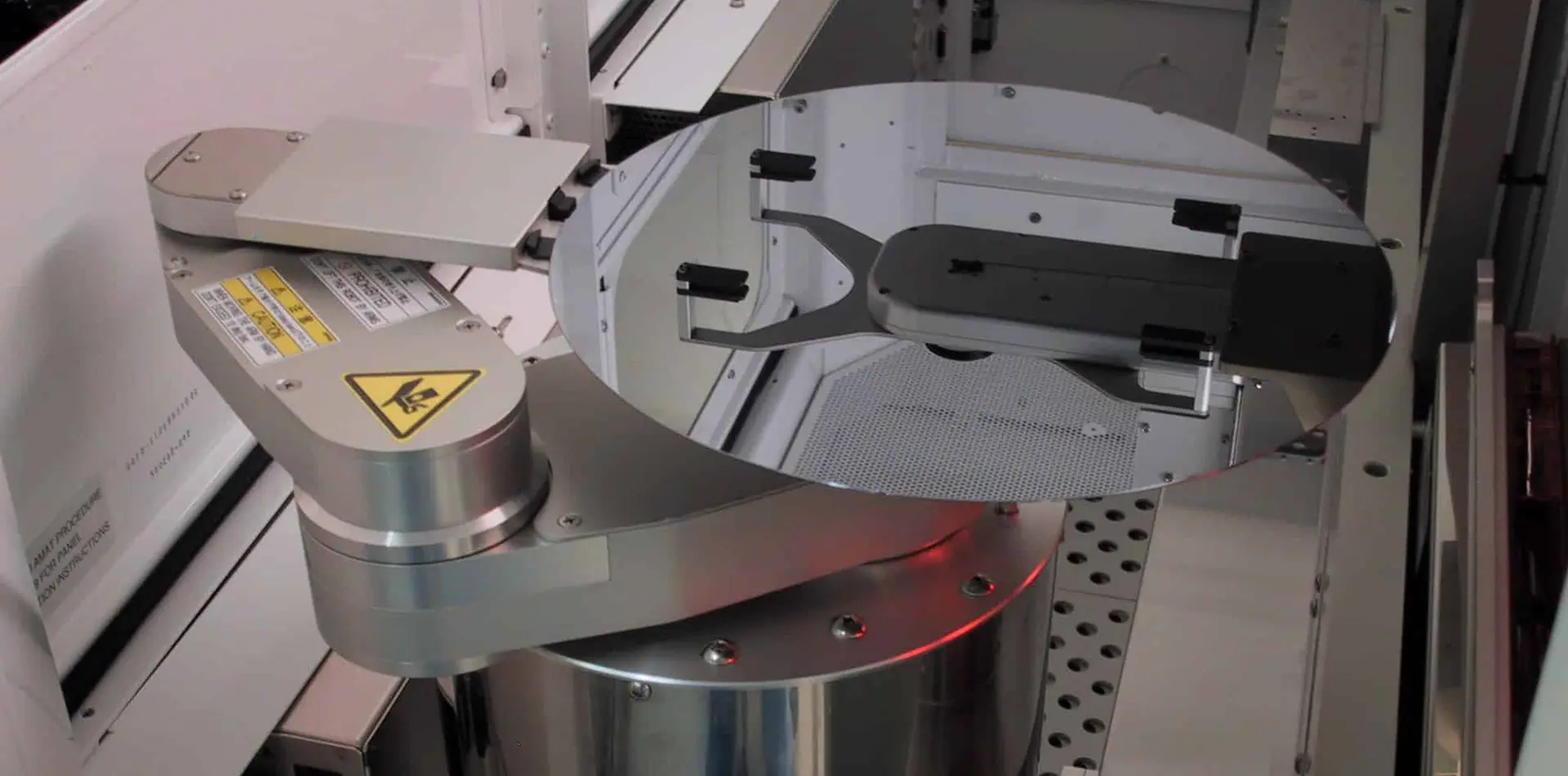
By partnering with Shanghai Creative Advanced Materials Co., Ltd. (SCA), you gain access to an integrated advanced ceramic plant in Shanghai, China. We combine premium raw materials, automated precision sintering, and advanced diamond machining equipment to deliver components with sub-micron tolerances.
For procurement managers at state-owned enterprises (BUMN) or multinational contractors in Indonesia, SCA meets strict global standards:
Navigating import procedures in Indonesia requires administrative expertise. SCA works in close cooperation with regional custom clearing agencies and engineering partners to ensure compliance with the following frameworks:
SCA maintains strict control over every stage of the manufacturing process to guarantee dimensional accuracy and uniform material density.








Understanding technological developments in advanced materials to secure future capability for ASEAN manufacturing hubs.
The industrial landscape in Southeast Asia is demanding higher geometric complexity in ceramic components. While traditional sintering limits geometries to basic tubes, plates, and rings, modern processes like Gel Casting and Ceramic 3D Printing (Stereolithography/Binder Jetting) are enabling complex designs.
Additionally, the emergence of **ceramic matrix composites (CMCs)** is bridging the gap between ceramic hardness and steel ductility. By integrating fiber reinforcements, components achieve unprecedented fracture toughness, preventing catastrophic brittle failure in heavy industry applications.
SCA is continually adapting to these trends, investing in advanced micro-machining and specialized sinter cycles to support complex component designs.
As Indonesia expands its domestic electric vehicle (EV) supply chain, high-purity metallurgy and chemical refinement become critical. Sintering furnace fixtures, crucible systems, and high-purity targets are essential tools in these industries. Crucial elements like **Boron Nitride (BN)** and **Silicon Nitride (Si₃N₄)** are becoming standard requirements for battery material processing furnaces.
Moreover, local thermal power assets are upgrading to sub-critical and super-critical systems, requiring high-grade desulfurization nozzles that can withstand years of continuous abrasive chemical scrubbing.
Explore our industrial range of high-performance components, sputtering targets, and advanced technical compounds.
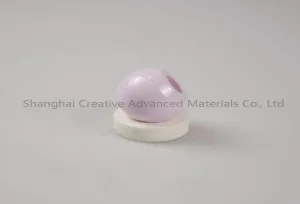
Engineered for extreme wear, offering high fracture toughness and resistance to chemical corrosion in harsh processing environments.
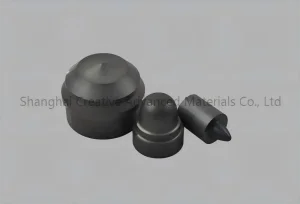
Designed for control valves facing highly abrasive slurry conditions in agricultural and chemical processing facilities.
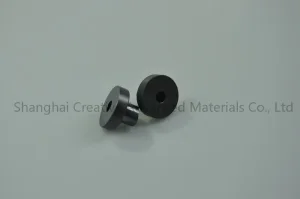
High-strength wear parts designed to perform reliably under high-pressure drilling environments.
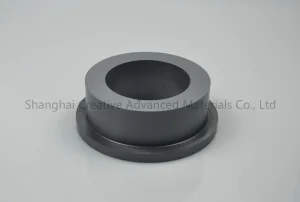
High-strength structural parts featuring excellent thermal cycle durability, ideal for automated manufacturing lines.
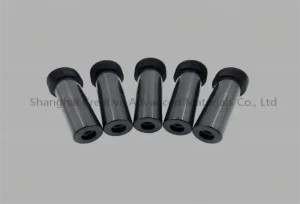
Unpressurized sintered nozzles offering high hardness, thermal shock tolerance, and corrosion resistance.
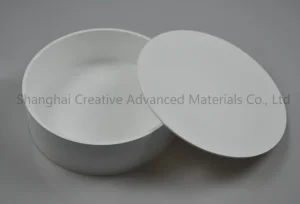
Chemically inert crucible systems designed for smelting high-purity non-ferrous metals and handling alloys.
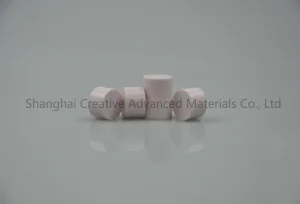
High-density neutron-absorbing ceramics designed for safety systems in research reactors and nuclear instrumentation.
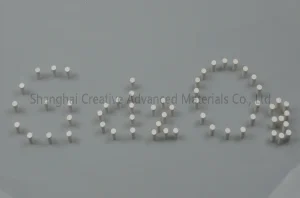
High-purity neutron-shielding ceramics manufactured to meet demanding nuclear radiation containment requirements.
Established in the Shanghai Industrial Comprehensive Development Zone, SCA integrates R&D, production, and sales of semiconductor ceramic targets, powder metallurgy targets, advanced ceramic components, polymer materials, and neutron absorption materials.
We work to support global semiconductor manufacturers, industrial furnace operators, and chemical plants with advanced ceramic solutions. With over 200 professionals, 100 patents, and a cleanroom packaging facility, SCA ensures reliable quality and performance in demanding applications.
Request Factory Tour & Documentation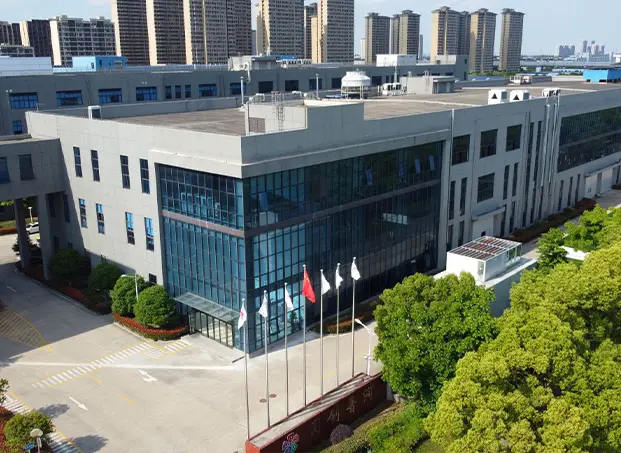
Common questions from engineering leads and procurement departments regarding sourcing and material performance.
A: For geothermal steam containing acidic gasses and particulate wear, Silicon Nitride (Si₃N₄) and Silicon Carbide (SiC) are recommended. Silicon Nitride provides thermal shock resistance and high mechanical strength, while Silicon Carbide offers excellent resistance to abrasion and sulfuric or hydrochloric acid corrosion.
A: We assist procurement teams with detailed technical specifications, HS code classification, and export documentation to help streamline customs clearance at major Indonesian ports like Tanjung Priok. We also provide raw material certificates to support domestic TKDN evaluations.
A: Yes. We operate CNC diamond machining tools that allow us to process fired ceramics to tight dimensional tolerances (up to ±0.005mm). We can work from standard engineering formats (STEP, DWG, DXF) to manufacture custom shapes.
A: Typical tooling and cold-isostatic pressing times range from 3 to 5 weeks depending on the material and thickness. Marine freight from Shanghai to Tanjung Priok takes approximately 7 to 10 days, while urgent parts can be shipped by air cargo within 2 to 4 days.
A: Zirconia has higher fracture toughness, which helps prevent chipping or brittle cracking under cyclic mechanical loads. While Alumina is cost-efficient and hard, Zirconia provides a reliable mechanical seal in high-pressure valves processing acidic fats.
A: Yes, we supply high-purity sputtering targets, including high-purity tungsten targets (300mm W targets) and CrSi alloy targets, produced through vacuum hot pressing for semiconductor and thin-film coating applications.
A: We use cold-isostatic pressing (CIP) to ensure uniform density before sintering. Following high-temperature firing, parts undergo non-destructive ultrasonic testing and coordinate measuring machine (CMM) inspections to confirm structural integrity.
A: Yes. We can provide standard test specimens (such as ceramic rods or plates) for material exposure testing in your operating environment to verify corrosion and thermal resistance. Please contact our engineering department to arrange this.
Consult with our engineers to select materials, establish geometric tolerances, and receive a competitive quotation.