Choosing the right supplier for advanced ceramic components requires more than comparing company size or product catalogs. Engineered Ceramics support demanding applications in aerospace, medical equipment, semiconductor manufacturing, energy, and industrial processing. A small alumina insulator, zirconia seal, or silicon carbide fixture may face extreme heat, chemical exposure, electrical stress, or repeated wear. Supplier capability directly affects performance, safety, and production continuity.
This introduction examines ten internationally recognized Engineered Ceramics suppliers and the strengths that distinguish them. The comparison considers material expertise, design assistance, precision machining, quality systems, testing capacity, production scale, and global service. Certifications, technical documentation, and traceability also matter. They reveal how consistently a supplier can move from laboratory concept to repeatable production. Customer experience remains important, but reliable public evidence should guide the evaluation.
No ranking is perfect.
Markets change quickly. Some suppliers excel at custom prototypes but struggle with high-volume manufacturing. Others offer broad catalogs yet provide limited support for unusual geometries or tight tolerances. This guide therefore treats the list as a practical starting point, not a final verdict. Application requirements should always be confirmed directly with each manufacturer. Engineers should request datasheets, sample reports, dimensional tolerances, and realistic lead times before selecting a partner. A supplier’s reputation may open the door, but verified performance keeps it open.
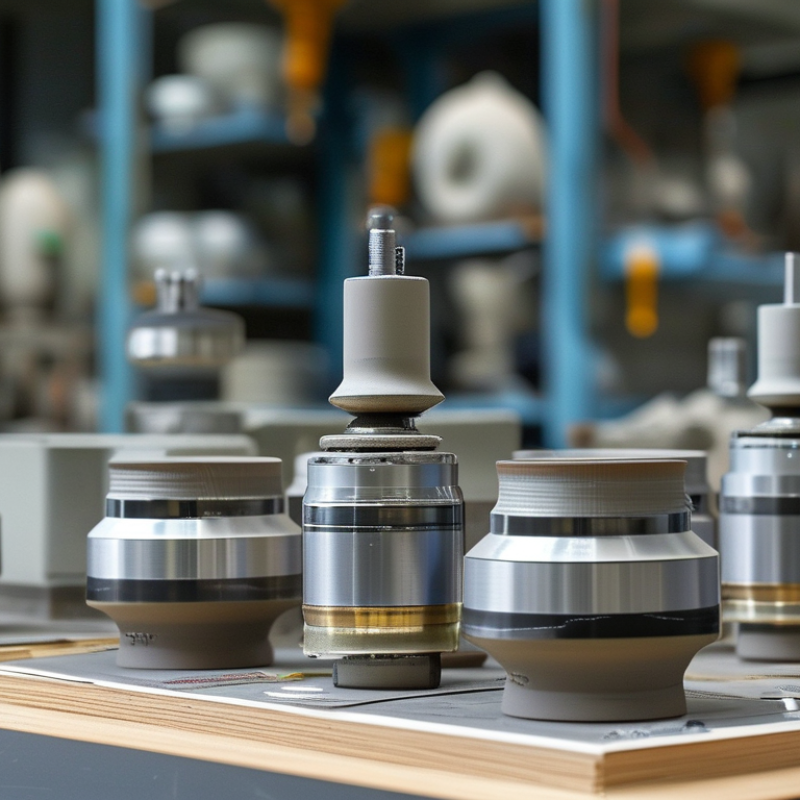
Engineered ceramics suppliers produce, process, or integrate ceramic materials for demanding industrial applications. Their products commonly include alumina, zirconia, silicon carbide, silicon nitride, and ceramic matrix composites. These materials offer heat resistance, electrical insulation, wear protection, and chemical stability. Quality is decisive.
The supplier scope extends beyond powder production. It includes shaping, pressing, injection molding, machining, coating, sintering, inspection, and application engineering. A credible supplier should explain purity levels, dimensional tolerances, thermal properties, and traceability. The boundary is not perfectly clean. Some companies supply materials only, while others deliver finished components for semiconductor equipment, medical devices, energy systems, transportation, and industrial machinery.
Market reports indicate strong and expanding demand. Grand View Research estimated the global advanced ceramics market at approximately USD 11.7 billion in 2023, with continued growth expected through 2030. Mordor Intelligence reported a comparable market value above USD 11 billion for 2024, although definitions and regional coverage differ. These differences matter when comparing the top 10 worldwide. A practical ranking should assess manufacturing capacity, geographic reach, certification systems, research capability, and long-term delivery performance. Price alone is a weak measure. My own supplier reviews also suggest that published specifications can hide processing limits, especially after machining or thermal cycling. That point deserves more attention.
Anonymized global supplier comparison based on material scope, manufacturing capability, quality systems, and typical end-use coverage
| Rank | Anonymized Supplier Profile | Primary Geographic Coverage | Core Ceramic Families | Typical Product Forms | Representative Applications | Typical Use Temperature | Common Quality Framework | Customization Scope |
|---|---|---|---|---|---|---|---|---|
| 1 | Supplier Profile 01 | North America, Europe, and Asia-Pacific | Alumina, zirconia, silicon nitride, silicon carbide | Machined parts, tubes, plates, wear components | Semiconductor equipment, industrial machinery, energy systems | Up to approximately 1,800°C | ISO 9001 commonly available | High |
| 2 | Supplier Profile 02 | Europe and North America | Alumina, zirconia, cordierite, steatite | Technical substrates, insulators, housings, feedthroughs | Electrical insulation, sensors, laboratory equipment | Up to approximately 1,600°C | ISO 9001; sector-specific controls vary | High |
| 3 | Supplier Profile 03 | Asia-Pacific and global export markets | Alumina, zirconia, silicon carbide | Kiln furniture, rollers, setters, refractory components | Thermal processing, ceramics production, metallurgy | Approximately 1,400–1,800°C | ISO 9001 frequently used | Medium to high |
| 4 | Supplier Profile 04 | North America and Europe | Zirconia, alumina, hydroxyapatite, bioinert ceramics | Dental blanks, medical components, precision implants | Medical devices, dental restoration, laboratory diagnostics | Generally below 1,500°C during use | ISO 13485 and ISO 9001 may apply | High |
| 5 | Supplier Profile 05 | Europe, Asia-Pacific, and the Middle East | Silicon carbide, alumina, zirconia, mullite | Seals, nozzles, bearings, heat exchangers | Pumps, chemical processing, power generation | Up to approximately 1,400°C | ISO 9001 commonly available | High |
| 6 | Supplier Profile 06 | Asia-Pacific and North America | Alumina, aluminum nitride, boron nitride | Substrates, heat spreaders, insulating plates, packages | Power electronics, LED systems, telecommunications | Typically below 1,000°C during use | ISO 9001; electronics-grade inspection | Medium to high |
| 7 | Supplier Profile 07 | Europe and selected global markets | Zirconia, alumina, silicon nitride | Cutting tools, valve seats, wear plates, guides | Automotive, aerospace, manufacturing automation | Typically below 1,200°C during use | ISO 9001 commonly used | High |
| 8 | Supplier Profile 08 | North America and Latin America | Alumina, mullite, cordierite, fused silica | Kiln linings, thermocouple tubes, furnace parts | Heat treatment, glass, ceramics, laboratory furnaces | Up to approximately 1,700°C | ISO 9001 frequently available | Medium |
| 9 | Supplier Profile 09 | Asia-Pacific, Europe, and global contract markets | Alumina, zirconia, silicon nitride, glass-ceramics | Precision molded parts, microcomponents, housings | Optics, analytical instruments, semiconductor systems | Typically below 1,000°C during use | ISO 9001; traceability controls vary | Very high |
| 10 | Supplier Profile 10 | Global distribution with regional manufacturing | Alumina, zirconia, silicon carbide, refractory ceramics | Custom blanks, engineered assemblies, replacement parts | General industrial, mining, chemical, and thermal equipment | Up to approximately 1,600°C | ISO 9001 commonly available | Medium to high |
Note: Supplier names and brands are intentionally omitted. Temperature values indicate typical material or application ranges and must be confirmed against the selected grade, design, environment, and operating conditions.
: It may supply powders, molded parts, machined components, coatings, or complete ceramic assemblies. Services can include pressing, injection molding, sintering, inspection, and application engineering. The scope varies.
Common materials include alumina, zirconia, silicon carbide, silicon nitride, and ceramic matrix composites. They support heat resistance, electrical insulation, wear protection, and chemical stability. Material choice depends on the application.
Major users include electronics, medical equipment, energy systems, transportation, and industrial machinery. Aerospace and high-temperature equipment also require specialized ceramic parts. Applications differ greatly.
Compare manufacturing capacity, certifications, research capability, delivery history, and regional technical support. Catalog size alone proves little. Local stock can reduce equipment downtime.
Request purity levels, dimensional tolerances, thermal properties, and material traceability. Ask for test data covering thermal shock, dielectric strength, hardness, and dimensional stability. Details matter.
Machining can affect surface quality, final dimensions, and performance during thermal cycling. Published material data may not reflect every processing limit. This deserves careful review.
Not usually. A lower price may hide weaker inspection, limited support, or inconsistent delivery. Evaluate total reliability, not only the quotation.
Market estimates differ because reports use different definitions and regional coverage. Reported values may appear similar but remain difficult to compare directly. The ranking is never perfectly objective.
This article presents a practical overview of the world’s leading Engineered Ceramics suppliers, focusing on how these companies are evaluated and what distinguishes their capabilities. The ranking criteria include material quality, research and development strength, manufacturing scale, technical expertise, product consistency, customization services, sustainability practices, and international delivery capacity. It also explains the definition and scope of engineered ceramics suppliers, covering businesses that design, develop, manufacture, and support advanced ceramic components for demanding applications.
The article compares the materials, technologies, and production capabilities commonly offered by the ten leading global suppliers. It examines expertise in areas such as structural ceramics, electronic ceramics, wear-resistant materials, thermal management solutions, and precision components, while considering different forming, sintering, machining, and quality-control methods. In addition, the discussion reviews the industries served, including energy, transportation, medical equipment, electronics, aerospace, chemical processing, and industrial automation, providing readers with a balanced view of market coverage and supplier selection factors.
