
In today's global market, porcelain and ceramic products have captured significant attention. They combine artistry with functionality. Buyers seeking these materials must understand various factors that influence their quality and marketability.
Quality porcelain and ceramic items are crafted through meticulous processes. These products can vary widely in design, durability, and price. Buyers often encounter challenges in distinguishing high-quality offerings from inferior alternatives. Thus, knowledge and awareness are crucial.
This guide aims to illuminate the intricacies of porcelain and ceramic products for global buyers. It provides insights into sourcing, evaluating quality, and navigating international trends. With careful consideration, one can make informed purchasing decisions in this diverse market.
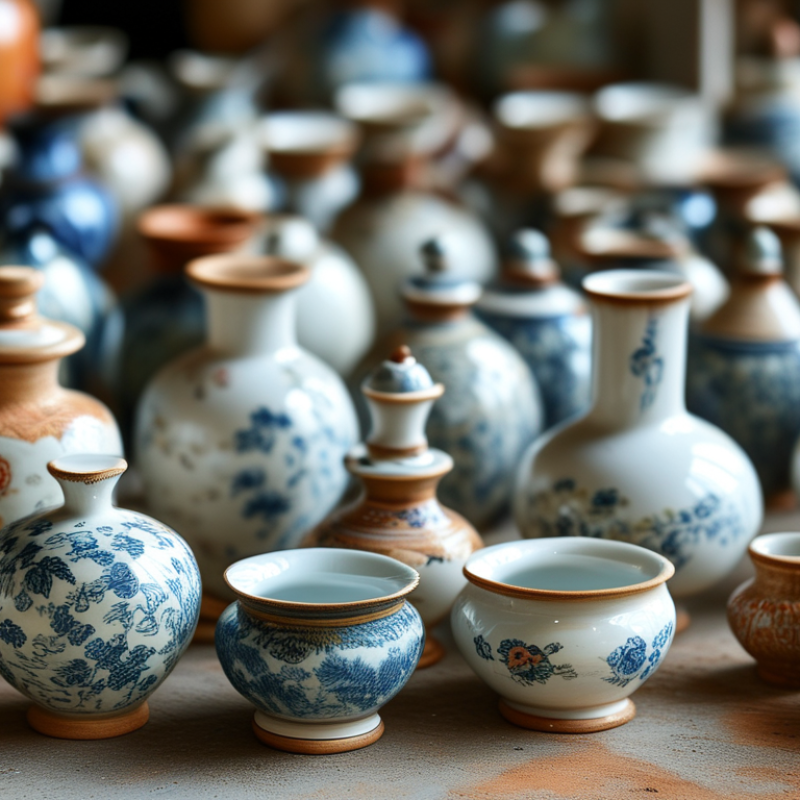
Porcelain and ceramic products play a vital role in many industries. These materials are known for their durability and aesthetic appeal. According to a report by MarketsandMarkets, the global ceramic market is projected to reach approximately $500 billion by 2026. This growth is driven by increasing demand in construction, electronics, and healthcare sectors.
In the realm of porcelain, products range from dinnerware to sanitary ware. These items are often preferred for their strength and intricate designs. The global porcelain dinnerware market, for instance, was valued at about $9.6 billion in 2020 and is expected to grow steadily. Quality control is essential in achieving the desired finish and durability. Yet, inconsistencies in production can lead to significant variations in quality. This aspect is a critical consideration for buyers aiming for reliability.
Ceramics are not confined to traditional applications. Innovative uses in the automotive and aerospace industries show promising potential. However, challenges such as high production costs can impede market growth. Companies must adapt and innovate while remaining cost-effective. This need for balance reflects a broader trend in the industry—continuous adaptation to shifting consumer demands.
| Product Category | Description | Common Uses | Key Specifications | Market Trends |
|---|---|---|---|---|
| Porcelain Tableware | High-quality ceramic dishes, plates, and bowls. | Household dining and restaurant serving. | Microwave-safe, chip-resistant, various designs. | Increasing demand for eco-friendly dinnerware. |
| Ceramic Tiles | Durable tiles available in various sizes and finishes. | Flooring, walls, and decorative accents. | Water-resistant, slip-resistant, various colors. | Growth in construction and home renovation sectors. |
| Ceramic Sanitary Ware | Products like toilets, sinks, and bathtubs. | Residential and commercial bathrooms. | Easy to clean, various styles, water efficiency. | Focus on sustainable products and designs. |
| Ceramic Art and Decor | Handcrafted decorative items and sculptures. | Home decoration and gifts. | Unique designs, artisanship, various glazes. | Growing interest in handmade and local products. |
: These materials are known for their durability and aesthetic appeal. They are widely used across various industries.
Increasing demand in construction, electronics, and healthcare industries fuels market growth. This trend is projected to continue.
Quality control ensures strength and durability. Inconsistencies can lead to variations in quality, impacting buyer reliability.
Innovative uses are being explored in automotive and aerospace industries. These applications show promising growth potential.
High production costs can hinder market growth. Companies must find a balance between cost-effectiveness and innovation.
Clay is the main raw material, sourced from various locations. It undergoes extensive processing to remove impurities.
Careful monitoring is required during drying. Too much moisture left can lead to cracks in the final product.
The firing process, involving heating in a kiln, affects the product's glaze and strength. Mismanagement can lead to fragile outputs.
Glazing adds aesthetic appeal and utility. Many factors can influence the final glaze results, such as color and smoothness.
Yes, skilled artisans contribute to shaping ceramics, but inconsistencies can still arise despite their expertise.
The article titled "Porcelain And Ceramic Products for Global Buyers Guide" provides a comprehensive overview of the various porcelain and ceramic materials available in the market today. It explores the different types of products made from these materials, such as dinnerware, tiles, and artistic items, highlighting their unique properties and applications. Furthermore, it delves into the key manufacturing processes involved in the production of porcelain and ceramics, including shaping, firing, and glazing, which are crucial for ensuring high-quality results.
Additionally, the article emphasizes the importance of adhering to quality standards and certifications for products entering global markets, which helps maintain consumer trust and safety. Finally, it addresses current market trends and consumer preferences, indicating a growing demand for sustainable and innovative ceramic products. This guide serves as an essential resource for buyers looking to navigate the diverse landscape of porcelain and ceramic items effectively.
